Article Directory
As the global cosmetics and fragrance industry pivots toward the "Circular Economy," the mechanical and material specifications of packaging components have come under intense scrutiny. Transitioning from traditional plastic closures to a high-quality Aluminum Screw Spray Pump is no longer just an aesthetic choice for luxury branding; it is a strategic engineering shift aimed at reducing carbon footprints and enhancing material recovery. Zhangjiagang XinYe Chemical Sprayer Co., Ltd., founded in 2006, operates across three massive production bases totaling 100,000 square meters. With a complete production chain encompassing aluminum stamping and advanced oxidization, we leverage full-auto inspection equipment to ensure that every Aluminum Screw Spray Pump meets the rigorous ISO9001-2008 quality standards while supporting sustainable global supply chains.
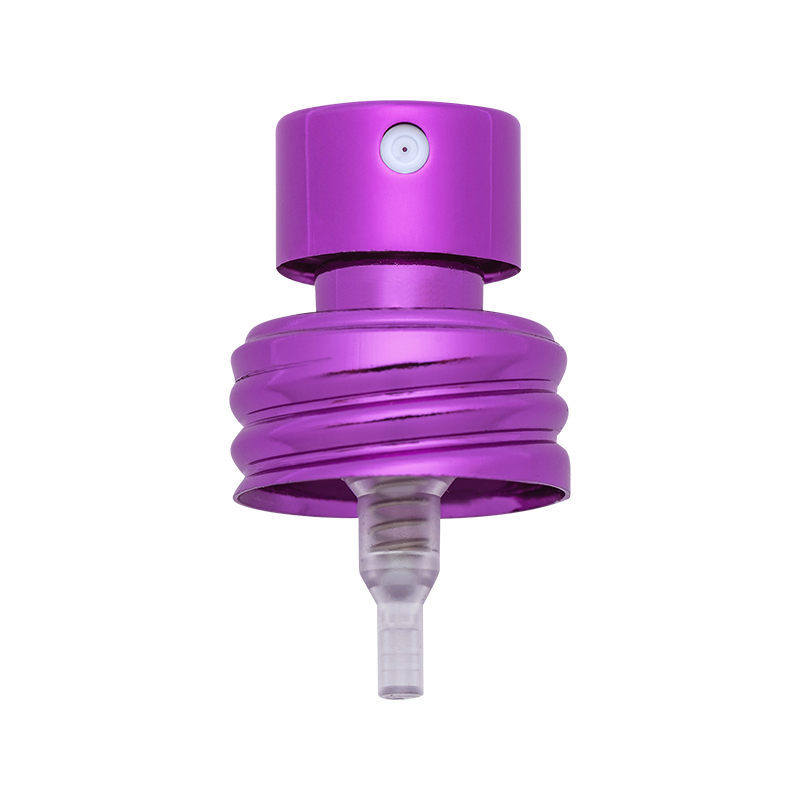
The most profound environmental differentiator between aluminum and plastic lies in the material's end-of-life viability. Aluminum is a permanent material, meaning it can be recycled infinitely without losing its physical properties, whereas plastics degrade in quality during each mechanical recycling cycle. When analyzing how to recycle aluminum perfume sprayers, engineers note that aluminum requires 95% less energy to recycle than to produce from primary bauxite. By utilizing an Aluminum Screw Spray Pump, brands can significantly lower their Scope 3 emissions, as the component contributes to a closed-loop system rather than ending up in a landfill or as microplastic pollution.
Aluminum offers superior long-term ecological value compared to polymers, which are often non-recyclable when mixed with metal springs in standard pumps.
| Metric | Standard Plastic Spray Pump | Aluminum Screw Spray Pump |
| Recycling Rate (Global Average) | Low (<10% for mixed plastics) | High (>70% for aluminum) |
| Material Degeneracy | High (Downcycled into lower quality) | Zero (Infinite structural retention) |
| Primary Production Energy | High (Petrochemical based) | High (Offset by low-energy recycling) |
| Degradation Period | 400-500 Years | N/A (Permanent Material) |
In the past, most perfume sprayers were "crimp-on," making the glass bottle and pump a single-use unit that was impossible to separate for recycling. The shift toward a screw-top aluminum pump for cosmetics allows consumers to easily detach the pump from the glass bottle. This design facilitates the "Refill Revolution," where the consumer keeps the high-value pump and bottle and only replaces the liquid contents. When evaluating aluminum vs plastic spray pumps for luxury brands, the screw mechanism is the technical enabler of a reusable packaging model, drastically reducing the total units of waste generated per consumer lifecycle.
The screw-on design promotes a multi-use lifecycle for the primary container, whereas crimp-on designs enforce a linear "make-take-waste" model.
| Design Type | User Reusability | Recycling Separation |
| Traditional Crimp-on Pump | Non-existent (Fixed) | Difficult (Requires tools to separate) |
| Aluminum Screw Spray Pump | High (Supports refill stations) | Simple (Manual unscrewing) |
Environmental impact is also measured by product longevity. A durable aluminum screw pump for essential oils or perfumes must withstand chemical exposure and mechanical stress. At Zhangjiagang XinYe, our oxidization process for aluminum surfaces creates a protective layer that prevents corrosion and maintains the pump’s aesthetic appeal over years of use. This durability means fewer replacements are needed. One common technical inquiry is: is aluminum spray pump coating eco-friendly? Our advanced oxidization and stamping processes are designed to be integrated into our full-auto production lines, minimizing chemical waste and ensuring the coating does not interfere with the aluminum’s recyclability.
While aluminum is denser than plastic, the high strength-to-weight ratio of the Aluminum Screw Spray Pump allows for thinner wall constructions without sacrificing rigidity. Optimized wall thickness leads to lighter overall packaging, which reduces the fuel consumption and carbon emissions associated with ground and waterway transportation. Located in the Le Yu Economic Development Zone near the Yangtze golden waterway and major expressways, Zhangjiagang XinYe optimizes logistics to further reduce the carbon footprint of the delivery process to global markets.
In the modern market, the "sustainability" of a product is a key component of its perceived luxury. An Aluminum Screw Spray Pump provides a tactile, premium cold-touch feel that plastic cannot replicate. By choosing aluminum, brands signal their commitment to high-tech, sustainable development. This shift satisfies the growing consumer demand for "distinction" and "reciprocal win" strategies, where the customer receives a high-quality product that does not compromise the health of the planet.
The transition to an Aluminum Screw Spray Pump represents a significant leap forward in sustainable engineering. From infinite recyclability and the enabling of refillable systems to the reduced energy consumption in secondary production, aluminum outperforms plastic in nearly every ecological metric. Zhangjiagang XinYe Chemical Sprayer Co., Ltd. continues to innovate in this space, providing a complete production chain that ensures quality, survival, and environmental responsibility for customers worldwide.
Because it is an Aluminum Screw Spray Pump, users can simply unscrew the pump from the glass bottle. The aluminum component can then be placed in standard metal recycling bins, while the glass can be recycled separately.
While the initial material cost of aluminum is higher, the total "Brand Value" and the ability to offer "Refill" products create higher long-term margins and consumer loyalty, offsetting the initial expenditure.
Yes. The oxidization process used by XinYe is a mechanical and electrochemical process that creates a stable alumina layer. It does not use volatile organic compounds (VOCs) that are often found in plastic coatings.
Our oxidized aluminum pumps are specifically designed for chemical resistance. However, we always recommend a compatibility test with your specific formula to ensure the durable aluminum screw pump for essential oils performs perfectly.
Our 250,000 square meter construction area, 600+ employees, and ISO9001-2008 certification ensure that we have the scale, technical force, and quality management to meet the highest global standards for sustainable sprayers.
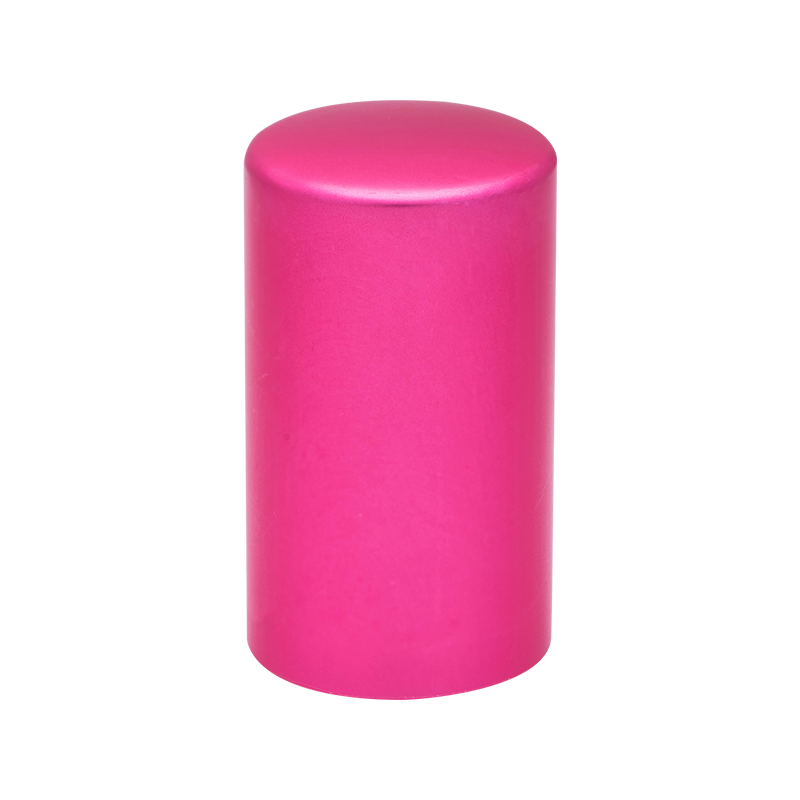 XY-LZ-18.6*32 Straight Perfume Bottle Aluminum Cap For Luxury Glass Fragrance Bottles, Minimalist Design
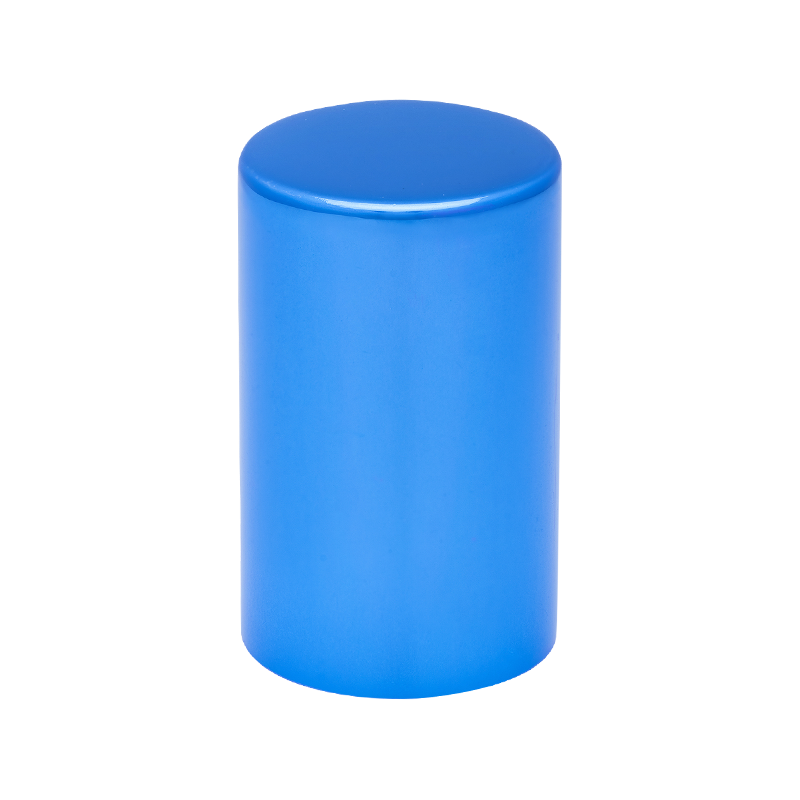 XY-LZ-20.6*34 Multiple Colors Straight Perfume Aluminum Cap/Lid For Fragrance, Essential Oil Bottle
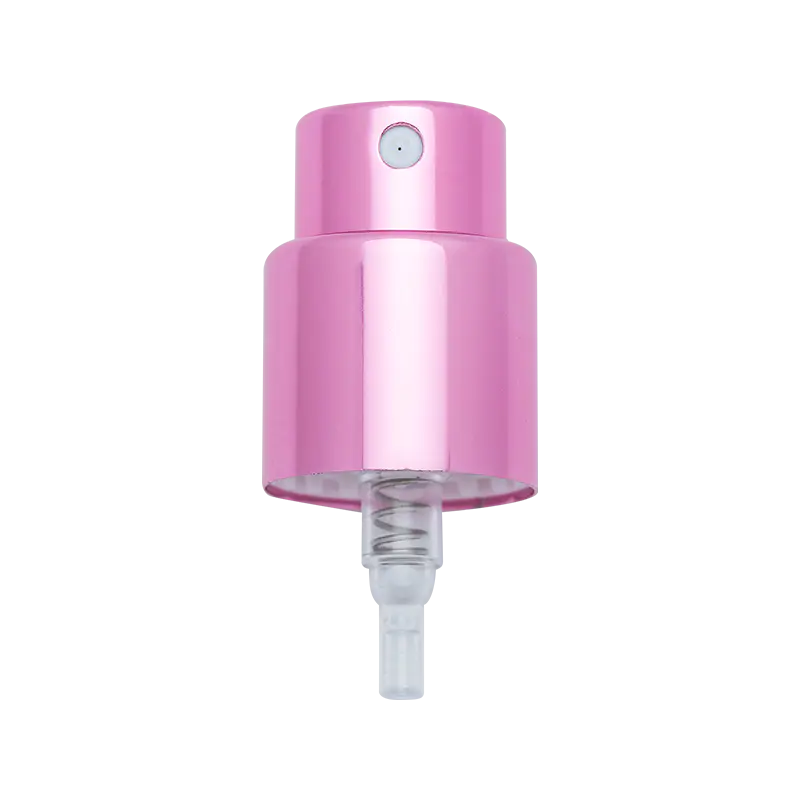 XY-LK-17/415 15mm Screw perfume fine mist pump sprayer OD17.2mm
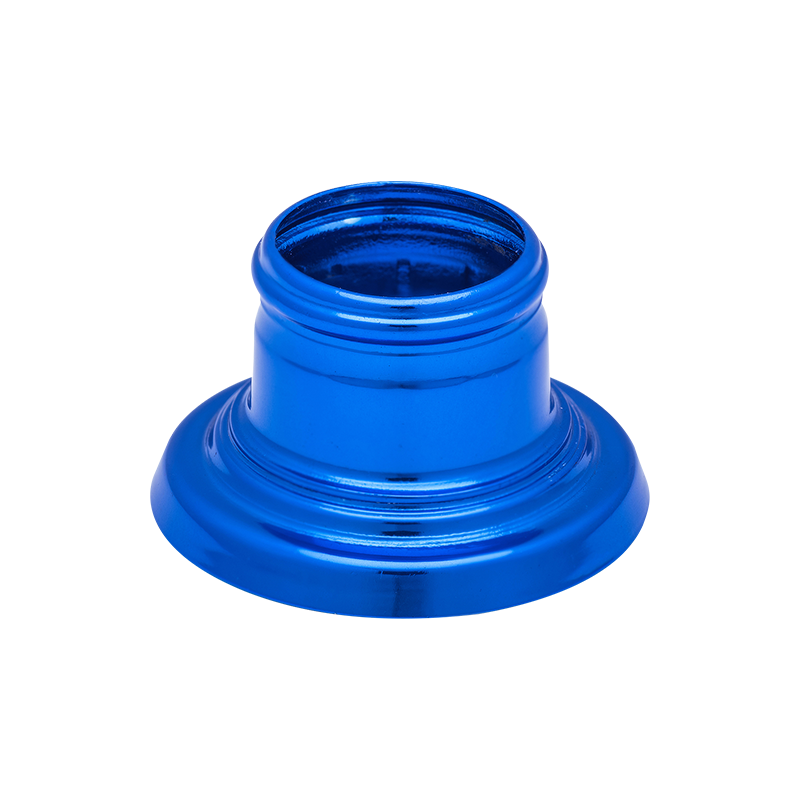 XY-ZT-DADB Custom Perfume Bottle Stepped Collar With Groove
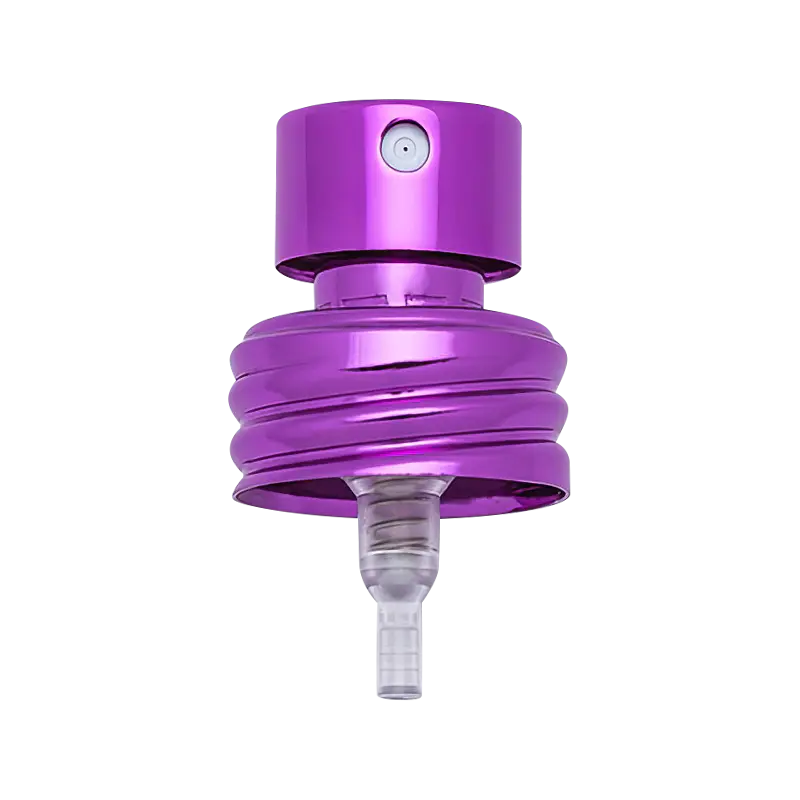 XY-LK-20.8CK 20mm Aluminum screw perfume fine mist pump sprayer OD20.8mm
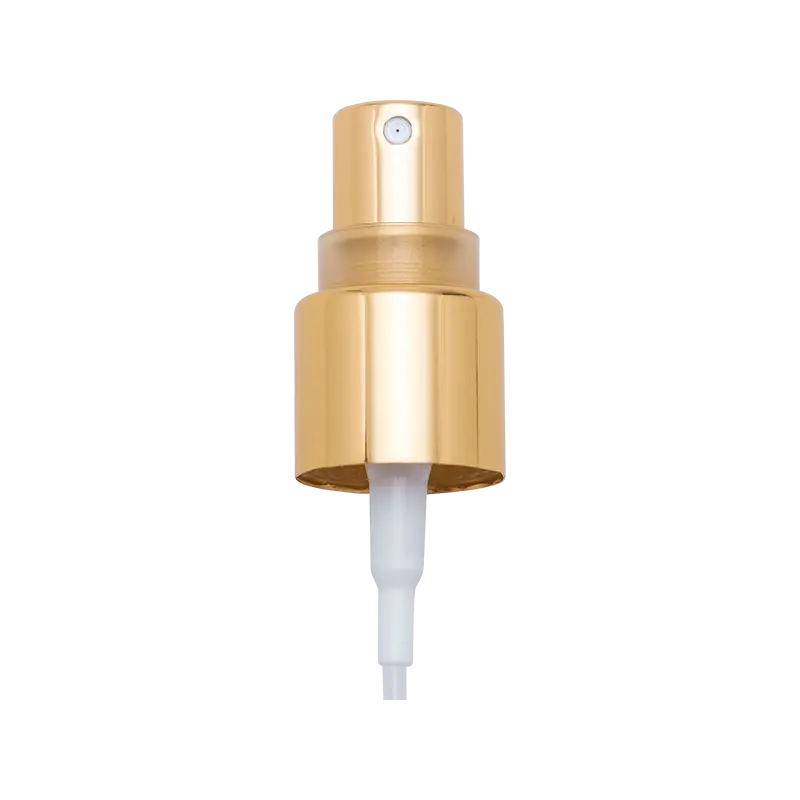 XY-LK-18/415 18mm Screw perfume fine mist pump sprayer
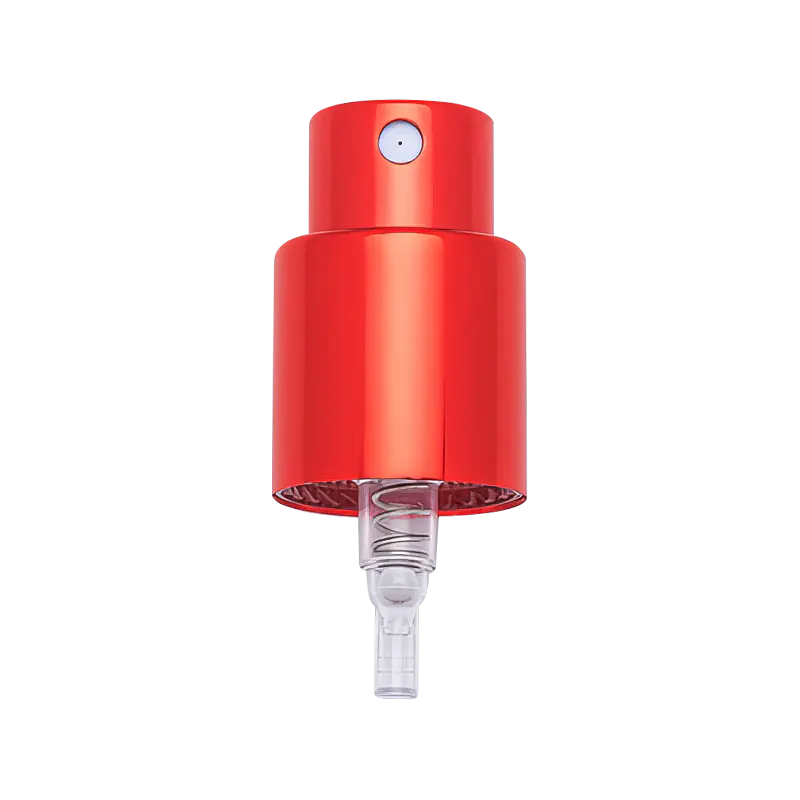 XY-LK-16/415 13mm Screw perfume fine mist pump sprayer OD16mm
Tel: +86-13812990918
Phone: +86-512-58962260
Address: No.3, Xiangqun Road, Leyu, Zhangjiagang.


 English
 русский
 Español
 عربى
عربى Português