Article Directory
The 15/415 screw pump is widely used in chemical, oil, and industrial applications for its ability to handle viscous fluids. Despite its reliability, common faults such as rotor seizure, stator delamination, and pressure loss can occur. Understanding rapid diagnostic and corrective measures ensures minimal downtime and maintains operational efficiency.
Rotor seizure occurs when mechanical binding prevents rotation. Causes may include insufficient lubrication, solid debris, or misalignment.
| Cause | Impact | Corrective Action |
|---|---|---|
| Debris inside pump | Rotor cannot rotate | Clean pump internals thoroughly |
| Misalignment | Excessive wear, vibration | Realign rotor and stator precisely |
| Insufficient lubrication | Heat build-up, seizure | Apply correct lubrication and check oil levels |
Stator delamination can result from high temperature, chemical corrosion, or prolonged operation beyond design limits.
Pressure loss can indicate internal leakage, worn rotor/stator, or pump cavitation.
| Fault | Symptoms | Remedial Action |
|---|---|---|
| Internal leakage | Reduced flow, low pressure | Check rotor/stator fit, replace if necessary |
| Rotor/stator wear | Flow inconsistency, vibration | Replace worn parts, ensure proper alignment |
| Cavitation | Noise, reduced pressure | Reduce suction lift, increase inlet pressure |
| Fault Type | Common Causes | Typical Solution |
|---|---|---|
| Rotor Seizure | Debris, misalignment, lubrication issues | Clean, realign, lubricate |
| Stator Delamination | High temperature, chemical exposure | Replace stator, control temperature and chemical compatibility |
| Pressure Loss | Internal leakage, wear, cavitation | Replace worn parts, adjust rotor-stator clearance, prevent cavitation |
Inspection frequency depends on operating conditions. For standard industrial use, visual inspection and lubrication checks should be done weekly, while internal component inspection is recommended every 3–6 months.
While not entirely preventable, regular cleaning, proper lubrication, and ensuring no foreign debris enters the pump greatly reduce the risk of rotor seizure.
With standard operating conditions and regular maintenance, the stator can last 2–5 years. Lifespan may reduce under high temperature, abrasive fluids, or chemical exposure.
Cavitation can be identified by unusual noise (similar to gravel movement), vibration, or reduced output pressure. Immediate corrective action should involve adjusting suction conditions or increasing inlet pressure.
Yes, maintaining spare rotors, stators, seals, and lubricants is essential. Keeping a stock ensures quick replacement during downtime and prevents production losses.
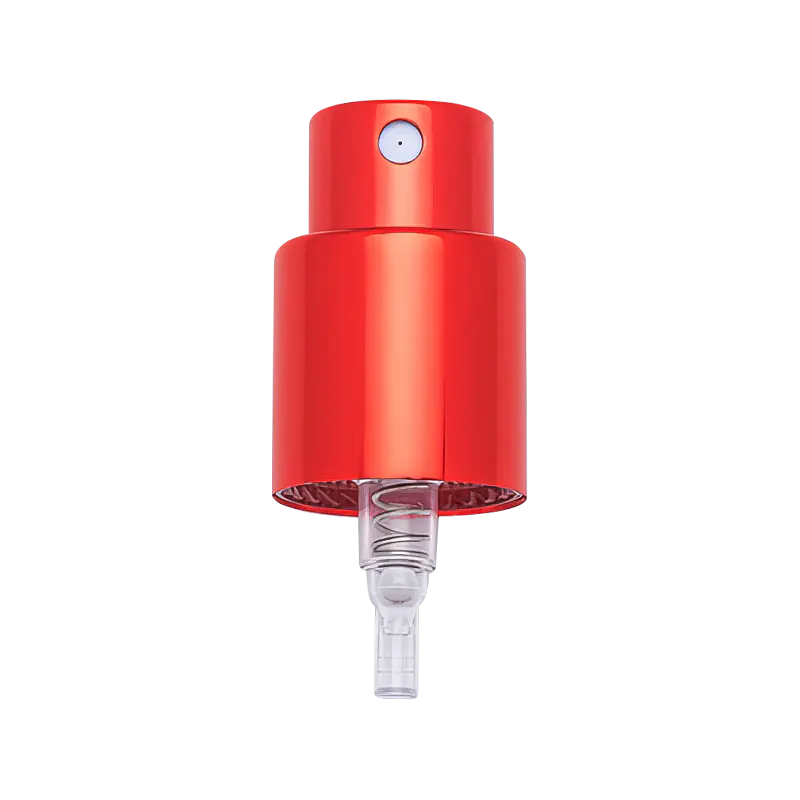 XY-LK-16/415 13mm Screw perfume fine mist pump sprayer OD16mm
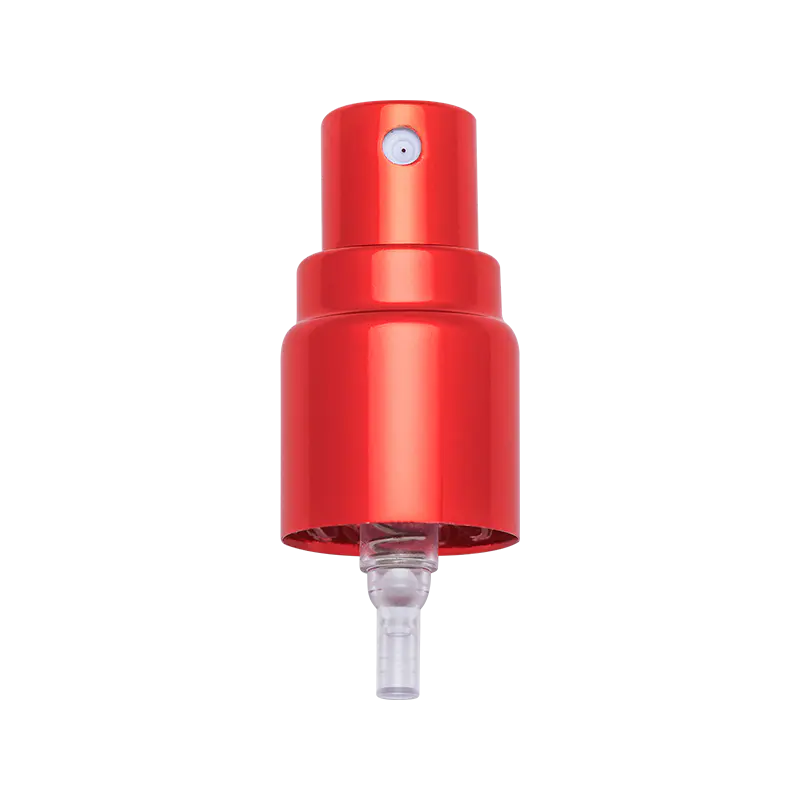 XY-LK-13/415 13mm Screw perfume fine mist pump sprayer
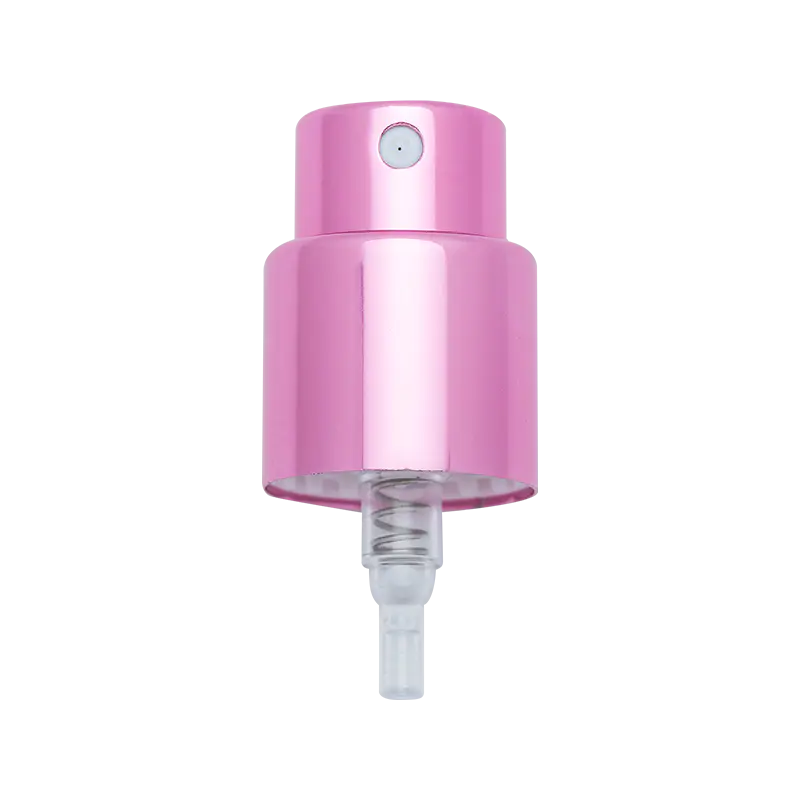 XY-LK-17/415 15mm Screw perfume fine mist pump sprayer OD17.2mm
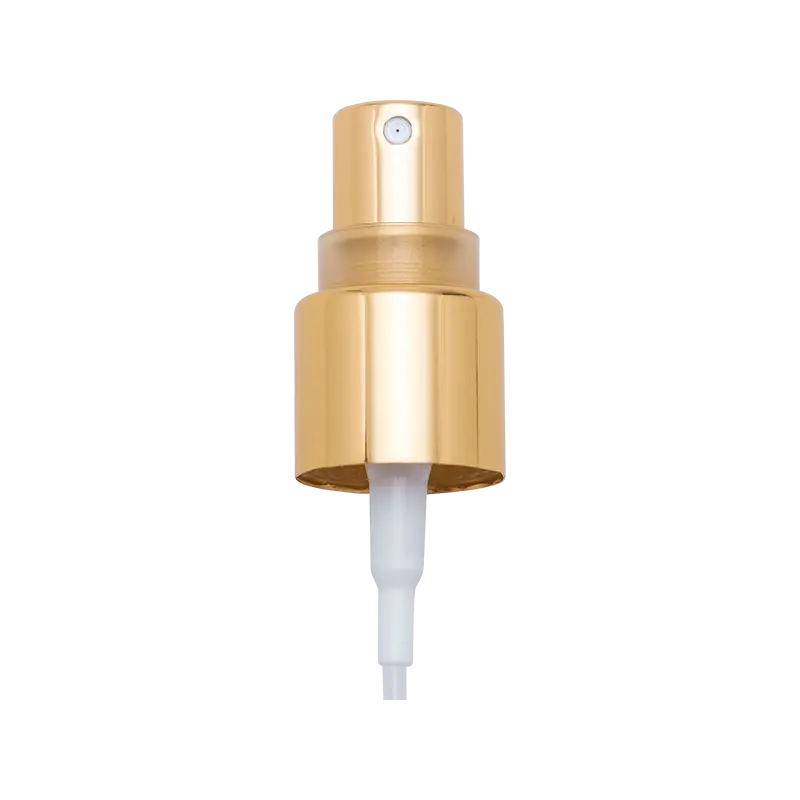 XY-LK-18/415 18mm Screw perfume fine mist pump sprayer
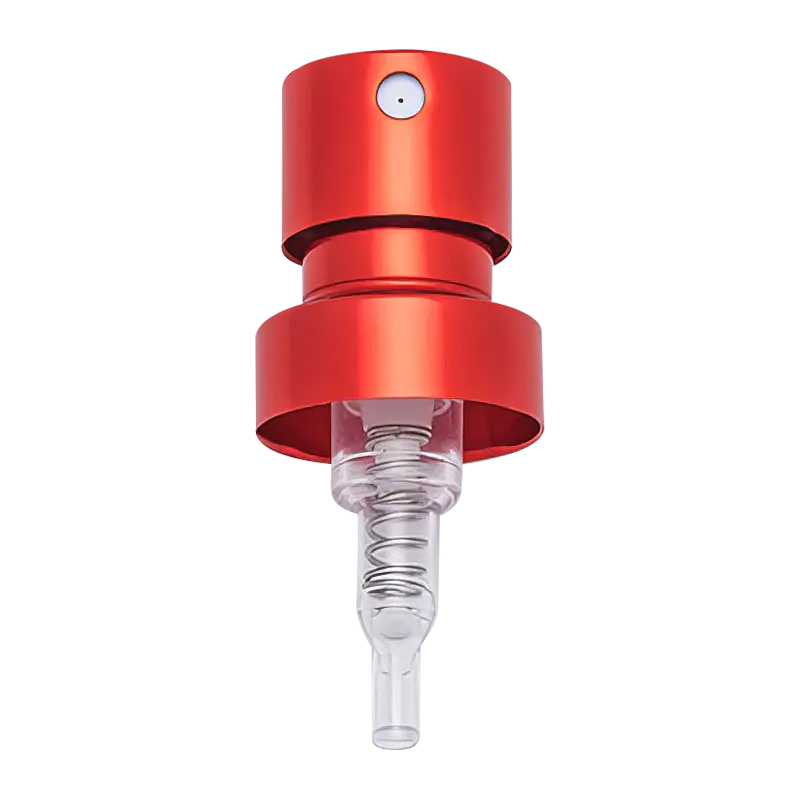 XY-PT-⊘15JDGB 15mm Crimp perfume fine mist pump sprayer high type
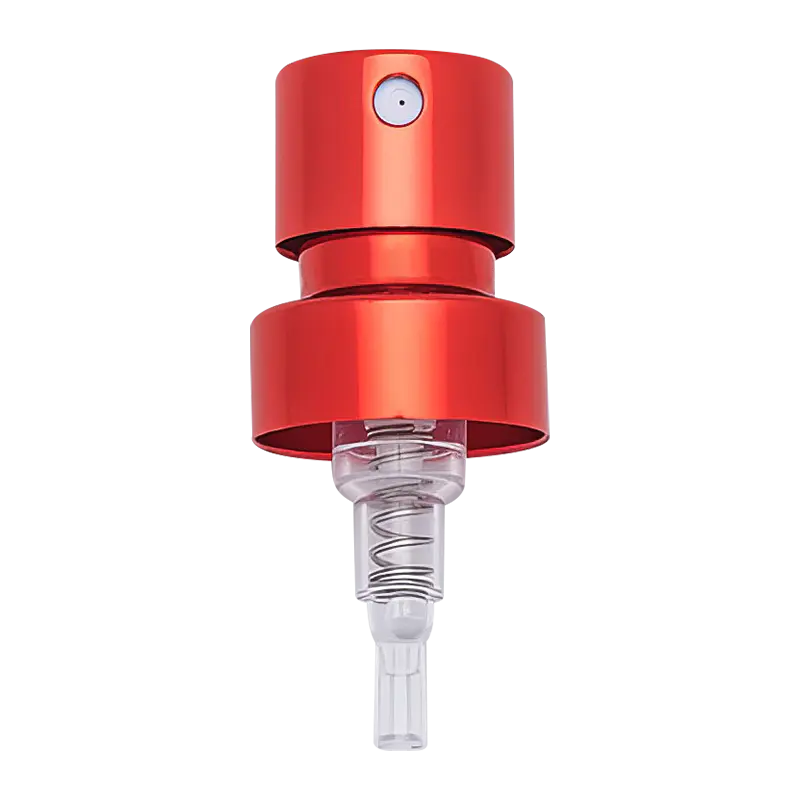 XY-PT-⊘15JDAB 15mm Crimp perfume fine mist pump sprayer short type
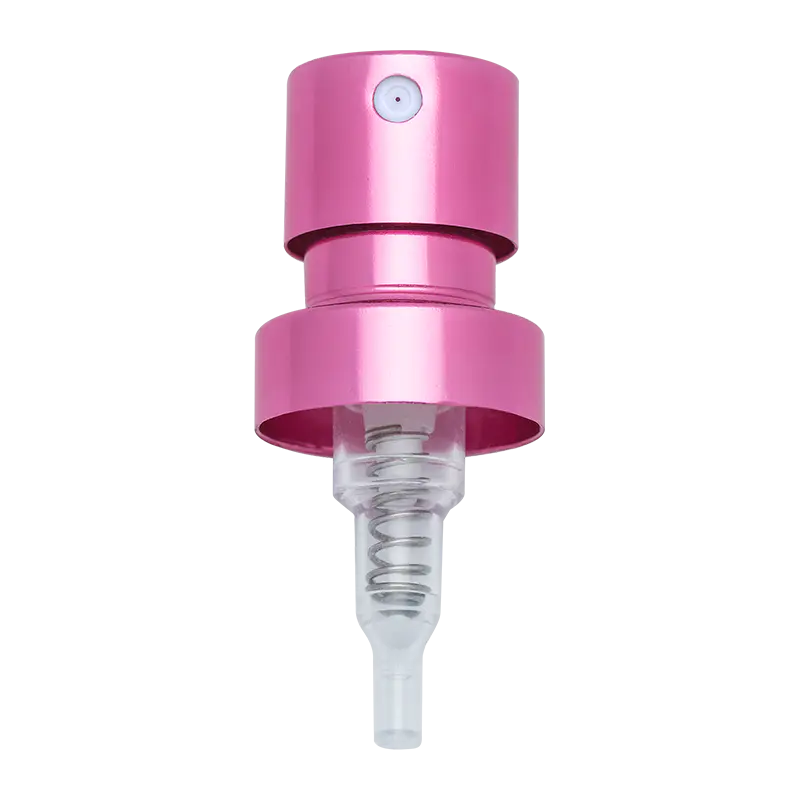 XY-PT-⊘15ABMG 15mm Crimp perfume fine mist pump sprayer short type
Tel: +86-13812990918
Phone: +86-512-58962260
Address: No.3, Xiangqun Road, Leyu, Zhangjiagang.


 English
 русский
 Español
 عربى
عربى Português