Article Directory
The 15/415 Screw Pump is widely used in chemical, petroleum, and industrial applications due to its capability to handle viscous fluids with stable flow. Understanding the 15/415 screw pump flow curve and efficiency characteristics under varying fluid viscosity is essential for selecting the right pump for process requirements.
The flow-head relationship of the 15/415 Screw Pump changes with fluid viscosity. Higher viscosity fluids reduce maximum flow and increase required pumping head.
| Viscosity | Flow Rate (L/min) | Pumping Head (m) | Observation |
| Low | 100 | 20 | Near nominal curve |
| Medium | 95 | 22 | Slight decrease in flow |
| High | 85 | 25 | Significant head increase, flow reduction |
The efficiency of 15/415 Screw Pump varies with speed and fluid viscosity. Monitoring the 15/415 pump efficiency chart and screw pump speed vs efficiency trends helps in achieving optimal operation.
| Fluid Viscosity | Pump Speed (rpm) | Efficiency (%) | Observation |
| Low | 1000 | 85 | Maximum efficiency achieved |
| Medium | 1000 | 80 | Efficiency slightly reduced |
| High | 1000 | 72 | Significant efficiency drop |
Comparing high viscosity screw pump performance to standard conditions:
| Parameter | Low Viscosity | High Viscosity |
| Flow Stability | Excellent | Good, slight pulsation |
| Power Consumption | Moderate | Higher, up to 15% increase |
| Noise Level | Low | Moderate |
| Recommended Use | Water-like fluids | Heavy oils, syrups |
Understanding the performance curves of 15/415 Screw Pump under varying viscosities ensures efficient, reliable, and long-term operation in industrial applications. Proper selection and monitoring improve both energy efficiency and service life.
The pump performs optimally with low to medium viscosity fluids. High-viscosity fluids require reduced flow speed and careful monitoring of pumping head and efficiency.
Higher viscosity reduces maximum flow rate and increases the required head. Flow becomes slightly pulsatile at very high viscosity.
Efficiency drops significantly when pumping high-viscosity liquids, leading to higher power consumption. Using the 15/415 pump efficiency chart helps operators select optimal speed and load.
Reduce speed for higher viscosity fluids to maintain pressure and prevent overloading. The screw pump speed vs efficiency curve guides these adjustments.
Consult the 15/415 pump head vs flow and efficiency charts before selecting a pump. This ensures proper sizing, energy savings, and longer pump life.
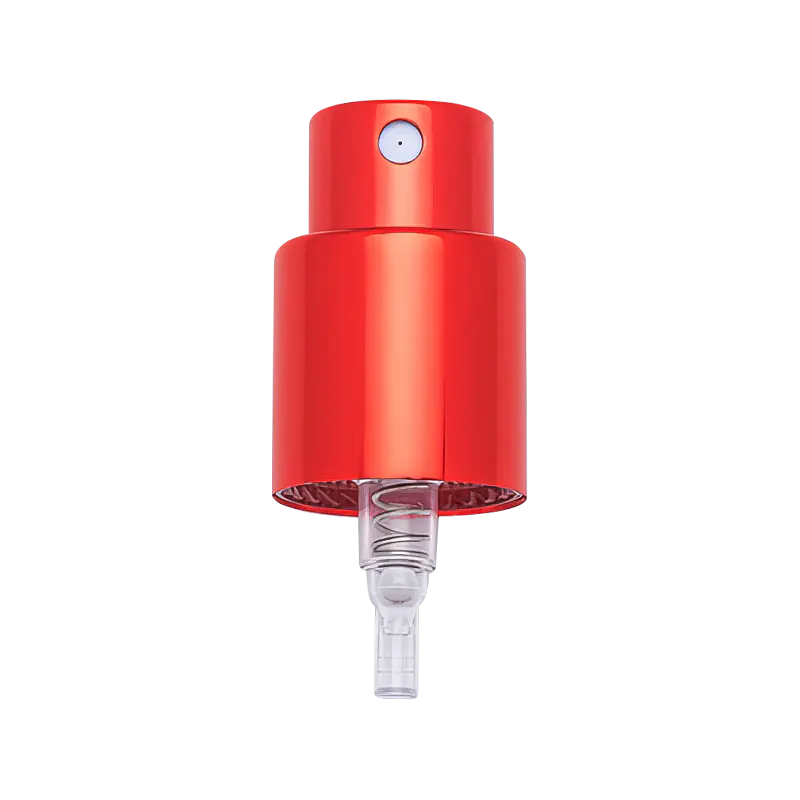 XY-LK-16/415 13mm Screw perfume fine mist pump sprayer OD16mm
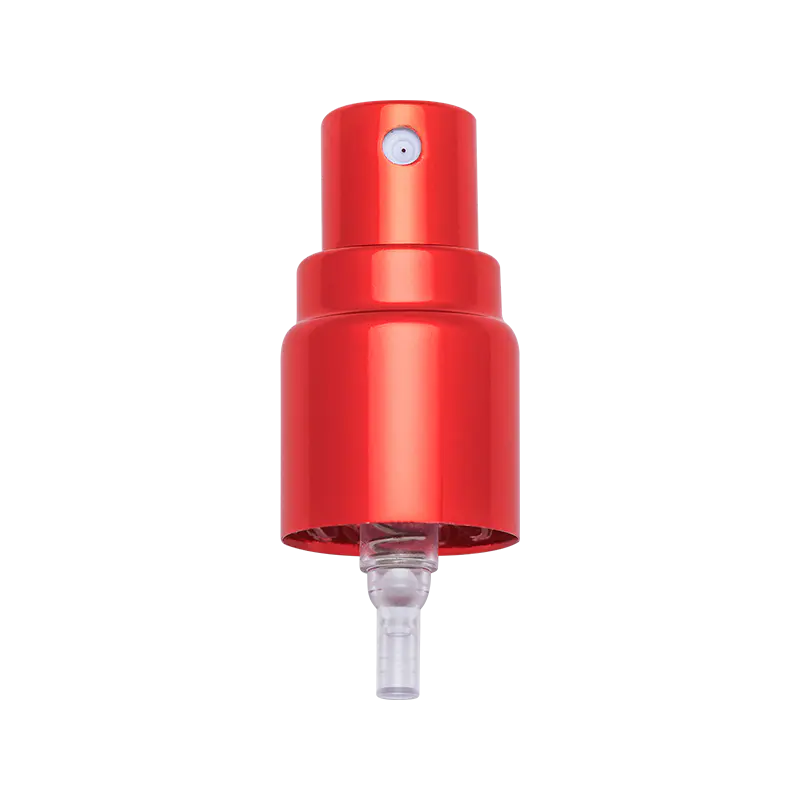 XY-LK-13/415 13mm Screw perfume fine mist pump sprayer
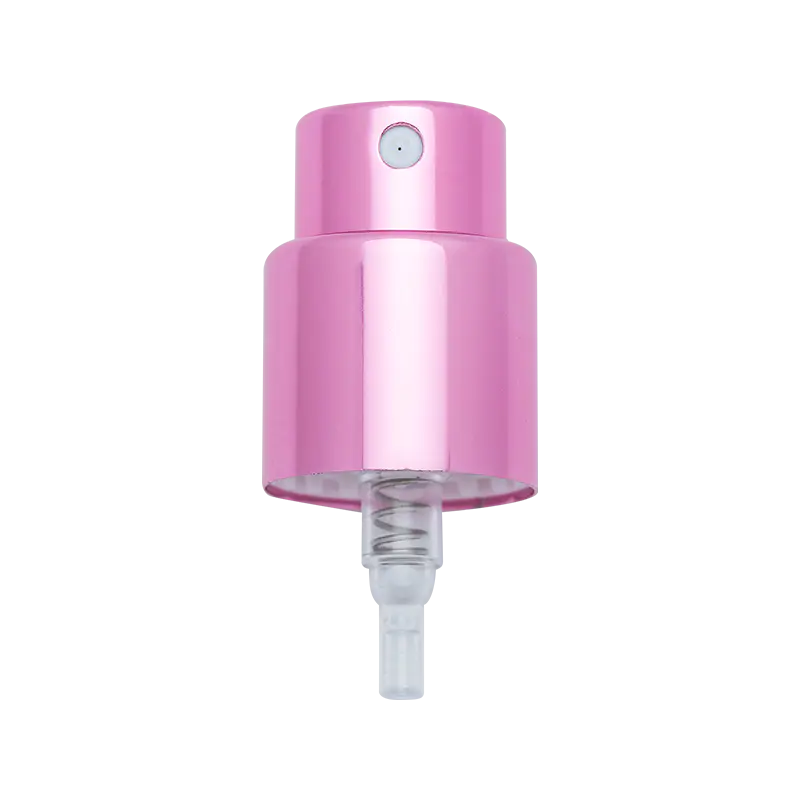 XY-LK-17/415 15mm Screw perfume fine mist pump sprayer OD17.2mm
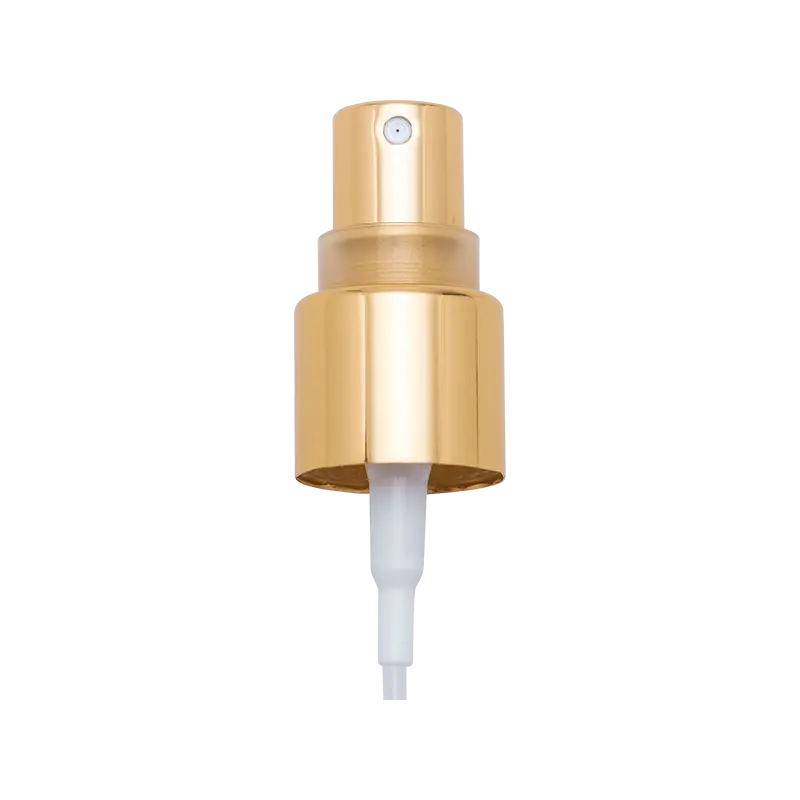 XY-LK-18/415 18mm Screw perfume fine mist pump sprayer
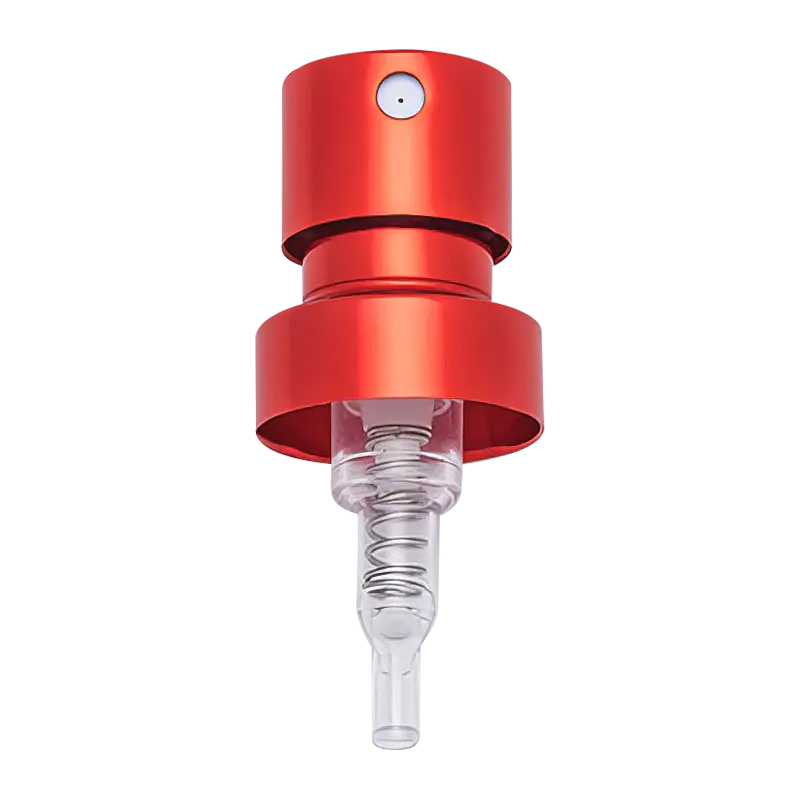 XY-PT-⊘15JDGB 15mm Crimp perfume fine mist pump sprayer high type
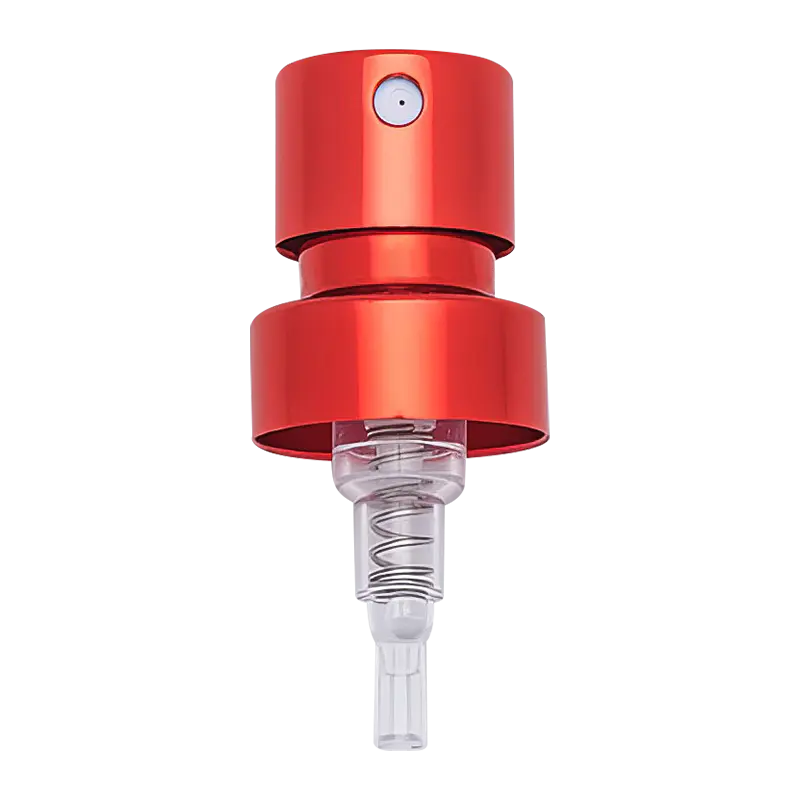 XY-PT-⊘15JDAB 15mm Crimp perfume fine mist pump sprayer short type
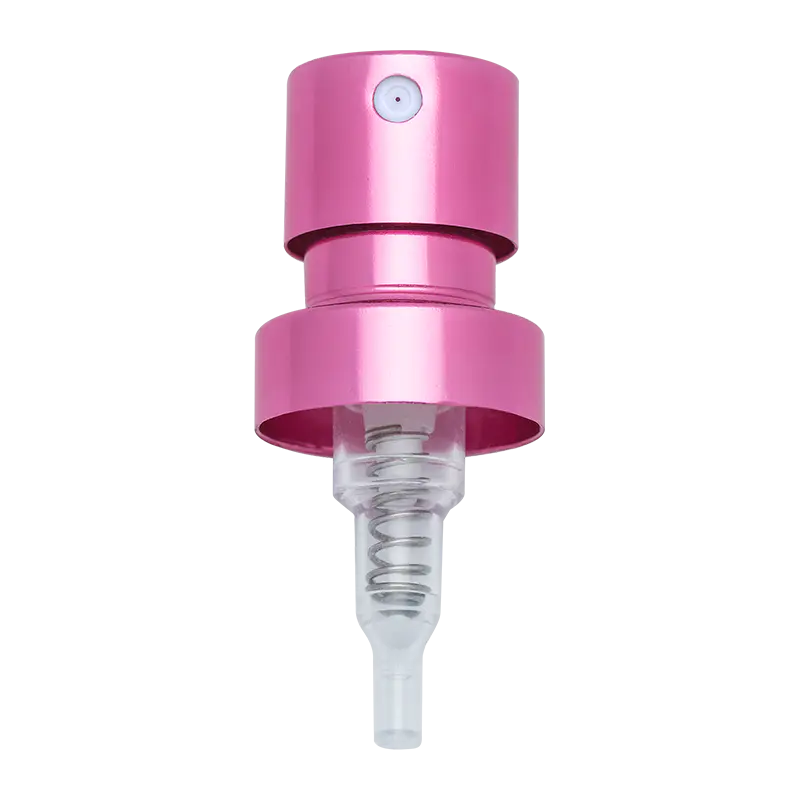 XY-PT-⊘15ABMG 15mm Crimp perfume fine mist pump sprayer short type
Tel: +86-13812990918
Phone: +86-512-58962260
Address: No.3, Xiangqun Road, Leyu, Zhangjiagang.


 English
 русский
 Español
 عربى
عربى Português