Article Directory
Zhangjiagang XinYe Chemical Sprayer Co., Ltd., founded in 2006, operates across three production bases totaling 100,000 square meters. With a workforce of over 600 employees, including 100 specialized quality management and technology development staff, we utilize advanced full-auto production and inspection equipment. Our integrated production chain—ranging from aluminum stamping and injection moulding to surface oxidization and automated assembly—ensures rigorous control over every technical parameter. As an ISO9001-2008 certified manufacturer based in the Le Yu Economic Development Zone, XinYe focuses on the high-precision fabrication of perfume collar with step components. Addressing surface integrity during high-volume manufacturing is critical for maintaining the aesthetic and functional standards required by the global fragrance industry.
The most effective method for preventing aluminum oxidation on perfume collars is the precise control of the sulfuric acid anodizing process. A perfume collar with step requires a uniform oxide layer thickness, typically between 5um and 10um, to provide sufficient corrosion resistance. The sealing quality of anodized aluminum is the decisive factor in long-term stability; if the porous structure is not completely sealed in boiling deionized water or nickel acetate solutions, atmospheric moisture will penetrate the layer, leading to white spots. When analyzing How to avoid perfume collar discoloration, engineers must monitor the electrolyte temperature (typically 18°C to 22°C) and current density. Proper surface pretreatment for aluminum stamping, including alkaline degreasing and acid pickling, ensures that the anodic coating adhesion meets industrial scratch-test standards, preventing the film from flaking under mechanical stress.
During the mass production of perfume collars, friction marks often occur during the vibration feeding and automated assembly stages. To minimize friction marks on aluminum collars, the contact surfaces of the high-speed feeder tracks are often lined with specialized polymer coatings or high-density polyethylene (HDPE). The coefficient of friction for perfume sprayers can be further reduced by applying a microscopic layer of paraffin-based lubricant during the final assembly. For a stepped perfume collar design, the vertical "step" transition is a high-stress point where tooling marks on aluminum components are most likely to appear. By maintaining a Ra surface finish of less than 0.4 um on the stamping dies and utilizing precision aluminum stamping technology, the occurrence of visible striations is significantly mitigated, ensuring a mirror-like or matte finish that meets high-end market expectations.
The shipping protection for perfume hardware must account for both kinetic impact and chemical interaction. Why aluminum collars get scratched during transport is usually attributed to "vibratory abrasion" caused by loose packing. Utilizing customized blister trays for perfume collars ensures that each unit is isolated, preventing metal-to-metal contact. Furthermore, the use of anti-static PE bags for aluminum parts prevents the accumulation of dust particles that act as abrasives. To address How to prevent oxidation during maritime shipping, VCI (Vapor Corrosion Inhibitor) paper or desiccant silica gel packets are placed within the double-corrugated export cartons. This maintains a relative humidity below 40 percent, effectively neutralizing the corrosive effects of salt-laden air during transit through the "Yangtze golden waterway" and subsequent international sea routes.
| Engineering Metric | Standard Production Value | XinYe Technical Specification |
| Oxide Layer Thickness (um) | 3 - 5 | 6 - 10 (High Density) |
| Seal Integrity (mg/dm2) | < 30 (Weight Loss) | < 20 (ISO 2143 Standard) |
| Surface Roughness (Ra) | 0.8 - 1.2 | < 0.4 (High Gloss) |
| Corrosion Resistance (Neutral Salt Spray) | 24 Hours | > 48 Hours |
| Assembly Yield Rate (%) | 95.0% | 99.5% (Full-Auto Inspection) |
To ensure persistence for distinction, XinYe employs full-auto inspection equipment that scans for surface defects in perfume collars using high-resolution CCD cameras. This automated quality control for sprayers detects oxidation pits, friction scratches, and dimensional deviations in real-time. Maintaining concentricity of perfume collars with steps is essential for a seamless fit with the glass bottle neck and the actuator. By utilizing full-auto assembly for perfume pumps, the human handling factor is minimized, which is a major way to prevent fingerprints on aluminum. Our technical force, supported by 60 senior managers, ensures that every batch exported to Europe, America, and Southeast Asia maintains the structural rigidity and aesthetic purity required for luxury fragrance packaging.
Q1: Does the "step" in the collar design increase the risk of oxidation?
A1: Yes, the corner of the step can experience "edge effect" during anodizing where the current density is higher. We use specialized racking techniques to ensure a uniform oxide layer at the step transition.
Q2: Why is full-auto assembly better for preventing scratches than manual assembly?
A2: Manual assembly involves repeated picking and placing, often with gloves that can trap abrasive grit. Full-auto systems use vacuum suction and soft-touch grippers that exert consistent, minimal pressure.
Q3: How do you test for "sealing quality" on an anodized perfume collar?
A3: We use the Phosphoric-Chromic Acid loss test (ISO 2143). A well-sealed collar will have a weight loss of less than 30mg/dm2, indicating the pores are successfully closed.
Q4: Can perfume ingredients cause the collar to oxidize from the inside?
A4: Fragrance formulations containing high levels of essential oils or alcohol can be aggressive. Our interior anodizing ensures a chemical barrier that prevents the aluminum from reacting with the perfume liquid.
Q5: What is the maximum humidity the packaging can withstand before oxidation starts?
A5: While our VCI packaging is robust, we recommend keeping the storage environment below 60% relative humidity. Above this level, the risk of moisture condensation increases significantly.
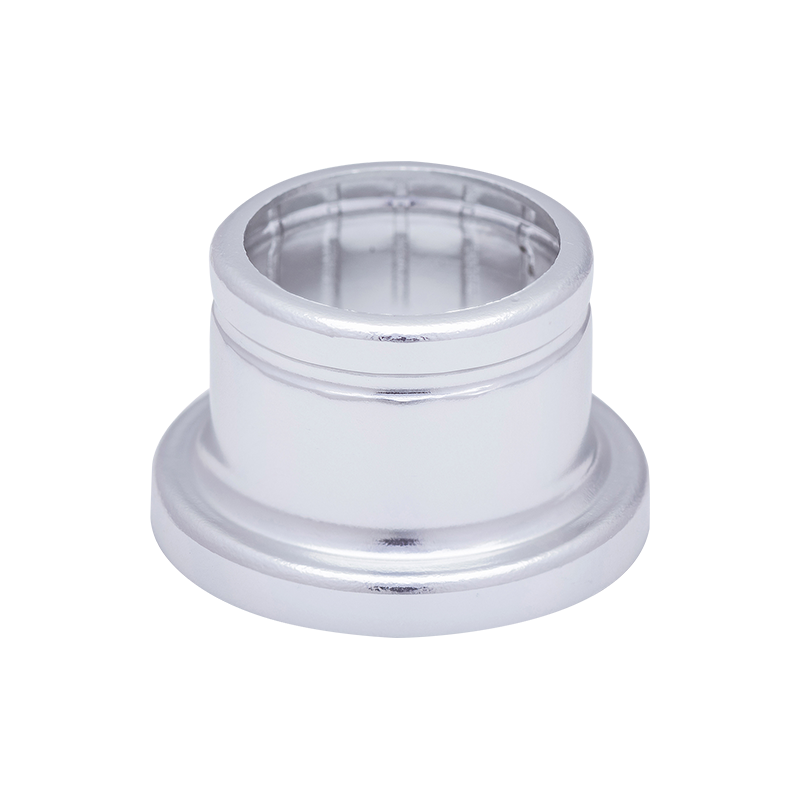 XY-ZT-17.3*14DBSNG Gold/Silver Perfume Cap Collar Aluminum Stepped Collar
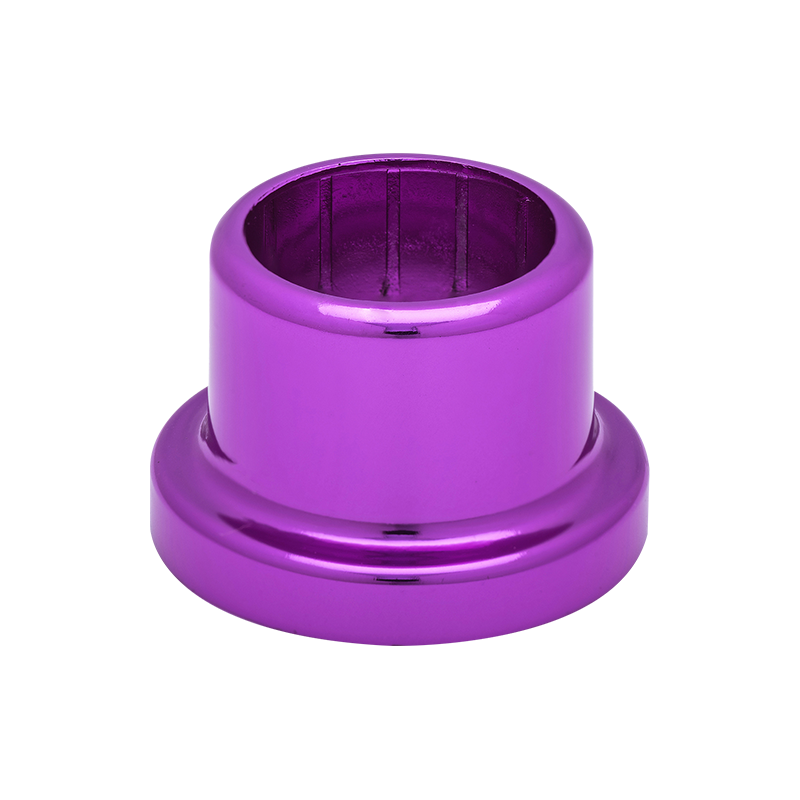 XY-ZT-17.05*15.6 22.8*4 Aluminum Cosmetic Perfume Collar With Step
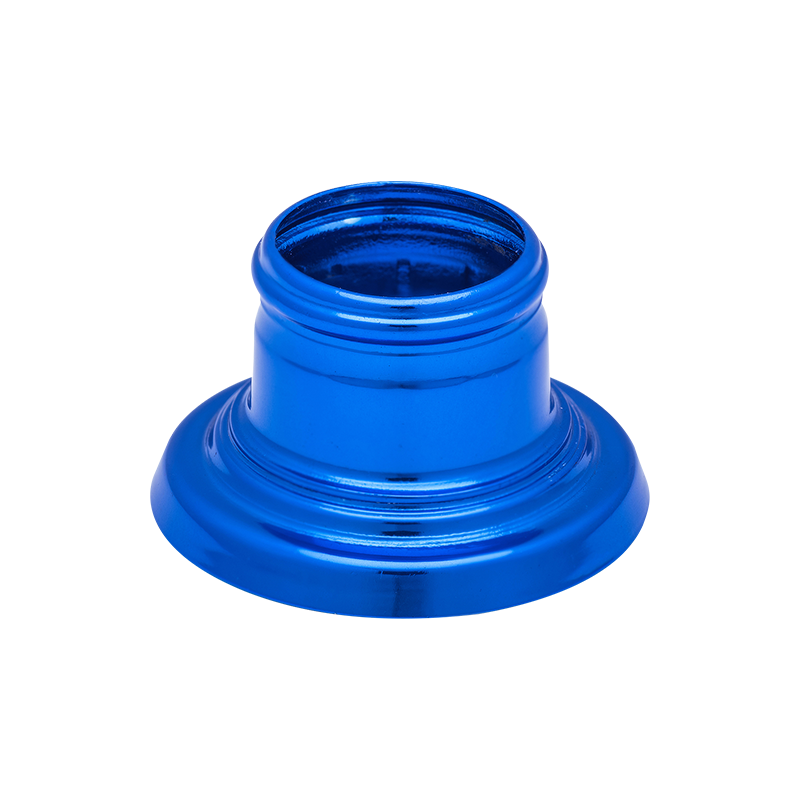 XY-ZT-DADB Custom Perfume Bottle Stepped Collar With Groove
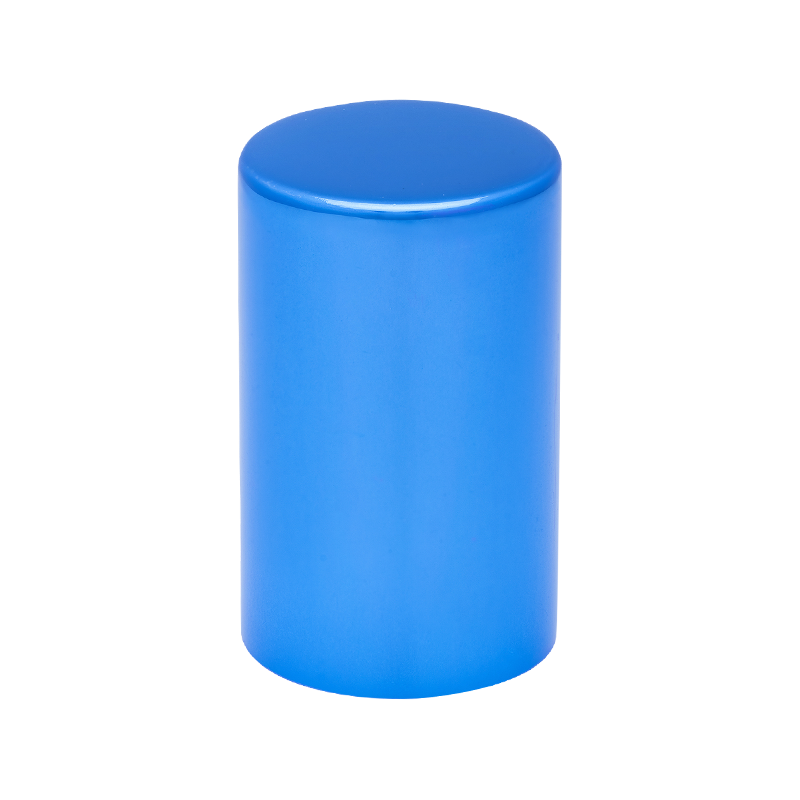 XY-LZ-20.6*34 Multiple Colors Straight Perfume Aluminum Cap/Lid For Fragrance, Essential Oil Bottle
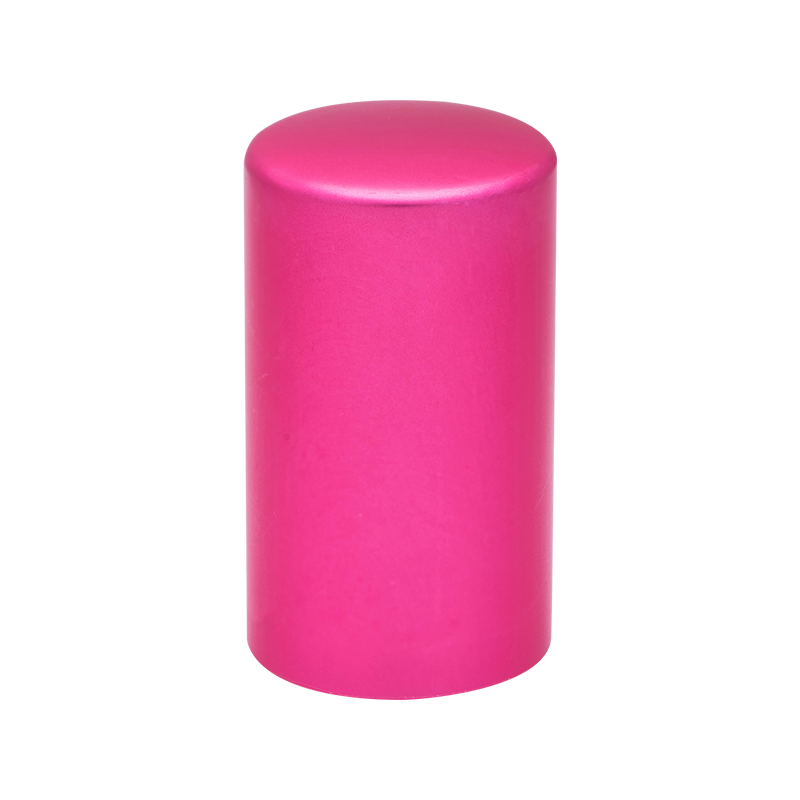 XY-LZ-18.6*32 Straight Perfume Bottle Aluminum Cap For Luxury Glass Fragrance Bottles, Minimalist Design
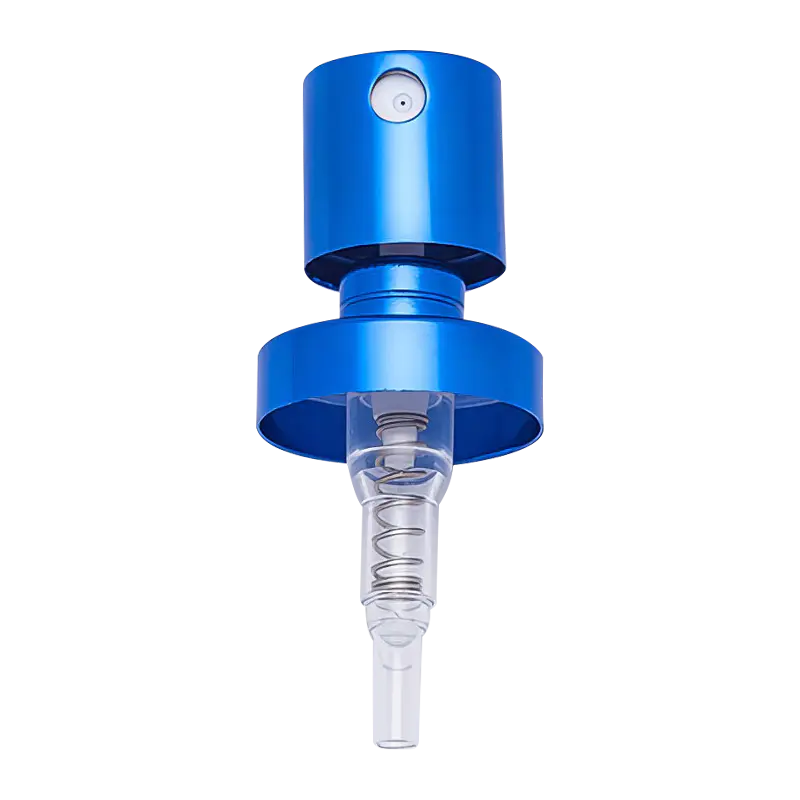 XY-PT-⊘20MGBMG 20mm Crimp perfume fine mist pump sprayer higher type with bigger discharge
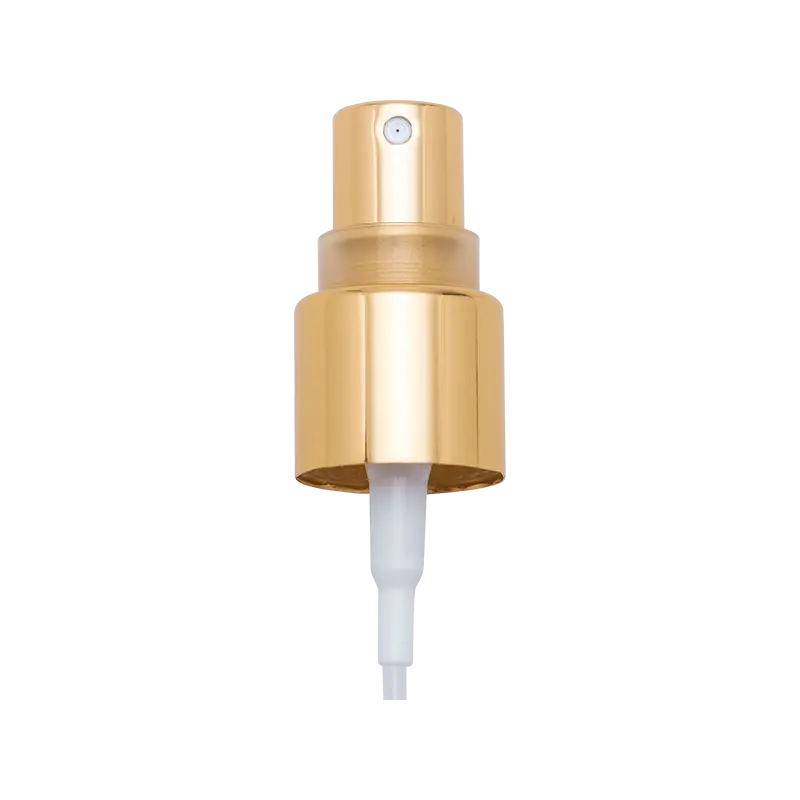 XY-LK-18/415 18mm Screw perfume fine mist pump sprayer
Tel: +86-13812990918
Phone: +86-512-58962260
Address: No.3, Xiangqun Road, Leyu, Zhangjiagang.


 English
 русский
 Español
 عربى
عربى Português