Article Directory
The global shift toward circular economy principles has prioritized the integration of Post-Consumer Recycled (PCR) resins and bio-based polymers in precision dispensing components. For the 18/415 screw pump, which is a standard specification in high-end serum and essential oil packaging, the primary engineering challenge is maintaining structural integrity and airtightness while replacing virgin Polypropylene (PP) or Polyethylene (PE). This evaluation explores the mechanical properties of PCR-PP in screw pumps and the viability of sustainable alternatives that meet ISO 9001-2008 quality standards.
Transitioning to eco-friendly materials requires a precise PCR content calculation for dispensing pumps. While 100% PCR-PP is theoretically possible, engineers typically recommend a blend of 30% to 50% PCR with virgin resin to ensure that the tensile strength of the screw pump housing remains within the required 25-30 MPa range. A critical technical check is the Melt Flow Rate (MFR) of PCR materials; inconsistent MFR can lead to "short shots" during injection moulding, affecting the 18/415 thread precision. By optimizing the injection moulding parameters for PCR screw pumps, manufacturers can achieve a Ra surface finish comparable to virgin plastics, ensuring a premium aesthetic for sustainable brands.
Zhangjiagang XinYe Chemical Sprayer Co., Ltd., founded in 2006, operates across three production bases totaling 100,000 square meters. With a workforce of over 600 employees and nearly 100 specialized quality and tech-dev staff, we consider product quality as our life source. Our integrated production chain—from aluminum stamping and injection moulding to automation assembly—allows us to provide 18/415 screw pump systems with highly renowned worldwide quality. Adopting advanced full-auto production and inspection equipment at our Le Yu Economic Development Zone headquarters, XinYe ensures quality for survival and manages for efficiency in every high-tech sprayer we produce.
| Material Type | Typical Density (g/cm3) | Eco-Impact Factor |
| Virgin PP | 0.90 - 0.91 | Standard Carbon Footprint |
| PCR-PP (30-50%) | 0.91 - 0.92 | Reduced plastic waste & CO2 |
| Bio-based PE | 0.92 - 0.95 | Renewable feedstock source |
The chemical resistance of eco-friendly screw pumps must be verified through rigorous stress-crack testing. PCR resins may contain trace impurities that could react with active ingredients in perfumes or chemical sprayers. Therefore, performing compatibility testing between PCR pumps and formulations (ASTM D543) is mandatory. Furthermore, the pump dosage accuracy of 18/415 screw systems, typically calibrated to 0.15cc or 0.20cc per stroke, must not deviate by more than 10% when using recycled polymers. This consistency is achieved through the precision engineering of internal spring mechanisms and gasket seals made from thermoplastic elastomers (TPE) or eco-friendly silicones.
When comparing PCR vs Virgin plastic screw pump durability, the fatigue resistance of the internal piston is the primary variable. Recycled chains may have slightly lower molecular weights, which can theoretically reduce the number of cycles before failure. However, by incorporating high-performance additives in recycled PP, the operational cycle life of 18/415 screw pumps can still exceed 1,000 to 2,000 strokes. XinYe's full-auto inspection equipment ensures that each batch of 18/415 screw pump units meets the "persistence for distinction" motto, regardless of the material source.
Strategically located near State Road 204 and the Yangtze golden waterway, Zhangjiagang XinYe utilizes its geographical advantage for efficient sustainable packaging logistics. The integration of bio-based polymers in sprayer manufacturing is supported by our ISO9001-certified quality system. To satisfy diverse market demands, we offer customized 18/415 screw pump solutions that include ocean-bound plastic (OBP) options. By reducing virgin resin consumption in cosmetic packaging, our clients can achieve their ESG goals while relying on XinYe's professional automation and "seeking trust for reciprocal win" philosophy.
| Functional Component | Material Standard | Sustainability Potential |
| External Cap | Anodized Aluminum / PP | 100% Recyclable / PCR Content |
| Piston & Stem | High-Density PE | Bio-PE or PCR-PE Blend |
| Internal Spring | SUS 304 Stainless Steel | High Recyclability Value |
The 18/415 neck finish specification (18mm diameter with a 415 thread height) provides a deeper thread engagement compared to the 410 series. This extra height is vital when using PCR materials for screw closures, as it provides a larger sealing surface to compensate for potential minor shrinkage variances in recycled resins. Choosing a leakproof 18/415 screw pump design ensures that products transported via the Beijing-Shanghai Expressway or Yangtze waterway arrive intact, maintaining the reputation of both the brand and the manufacturer.
PCR materials used for these applications must be food-grade certified (FDA/EFSA). For medical or high-purity use, virgin resin or medical-grade bio-polymers are still the engineering standard to ensure zero contamination.
PCR-PP often has a slight grayish or yellowish tint. While "Dope-dyed" colors can mask this, producing a pure "Snow White" pump may require a higher ratio of virgin resin or high-opacity pigments.
Due to the need for specialized material sourcing and machine calibration, PCR production runs typically require a higher MOQ than standard virgin resin orders.
All-plastic pumps exist, but they often sacrifice the "snap" and return speed of a metal spring. For 18/415 systems, stainless steel remains the standard for performance, though it is easily separated in recycling facilities.
If the PCR is not properly "de-volatized," it may have a slight residual odor. High-quality PCR used by professional manufacturers undergoes deep cleaning and deodorization to ensure it is odor-neutral.
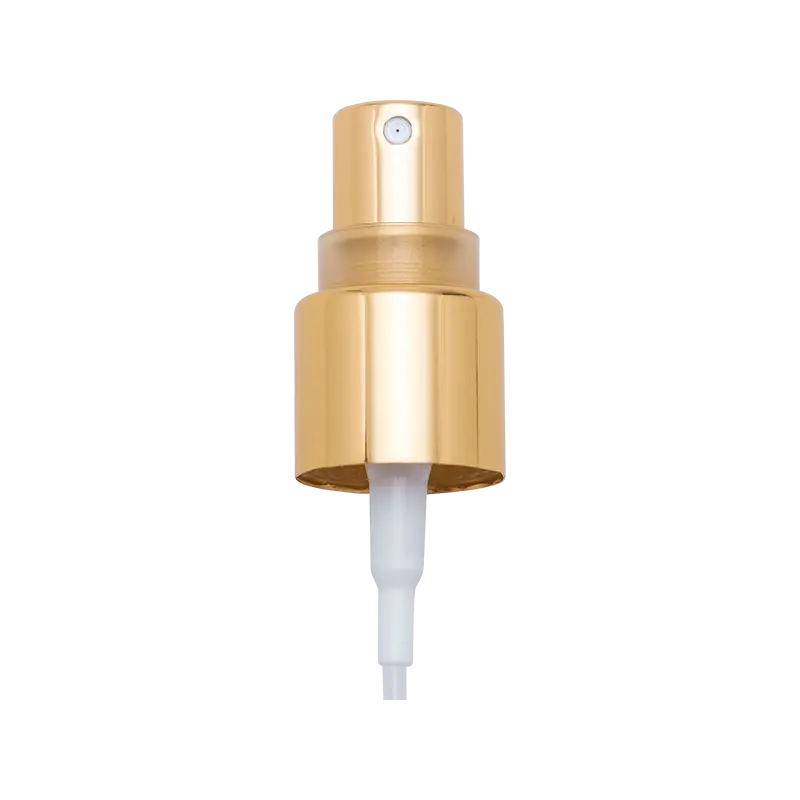 XY-LK-18/415 18mm Screw perfume fine mist pump sprayer
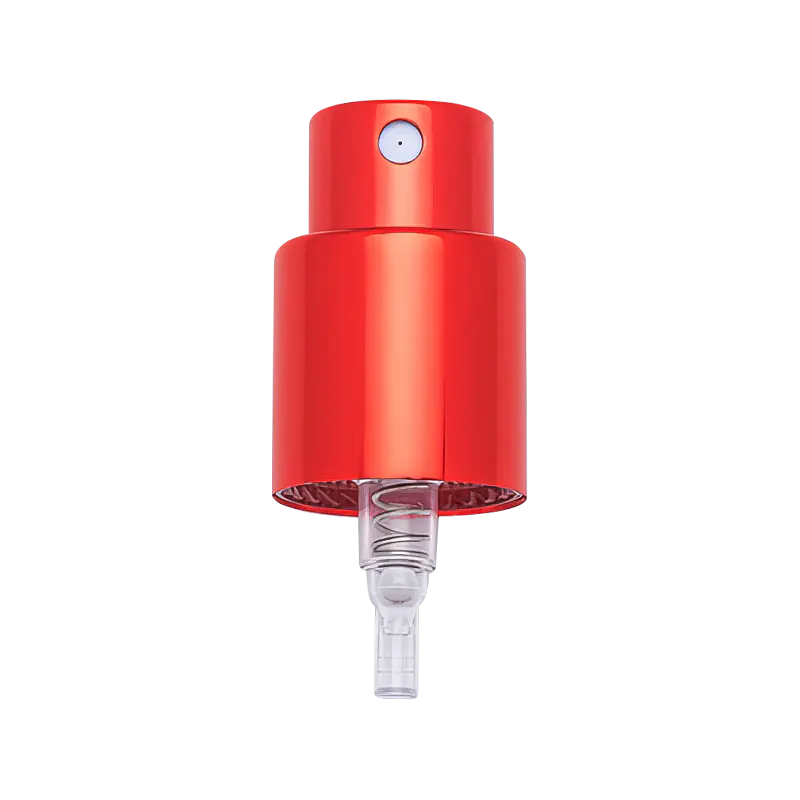 XY-LK-16/415 13mm Screw perfume fine mist pump sprayer OD16mm
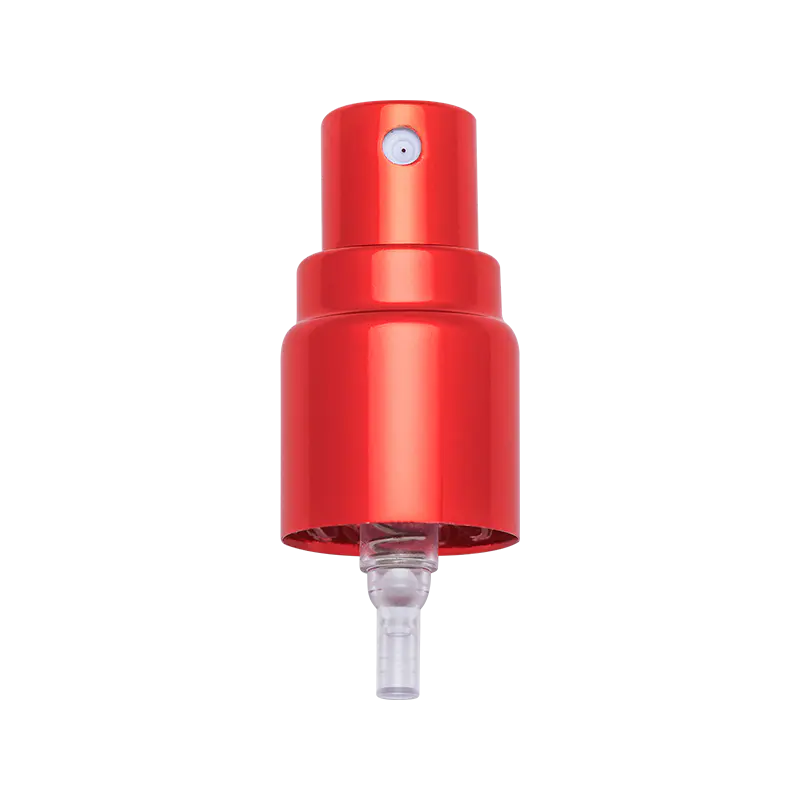 XY-LK-13/415 13mm Screw perfume fine mist pump sprayer
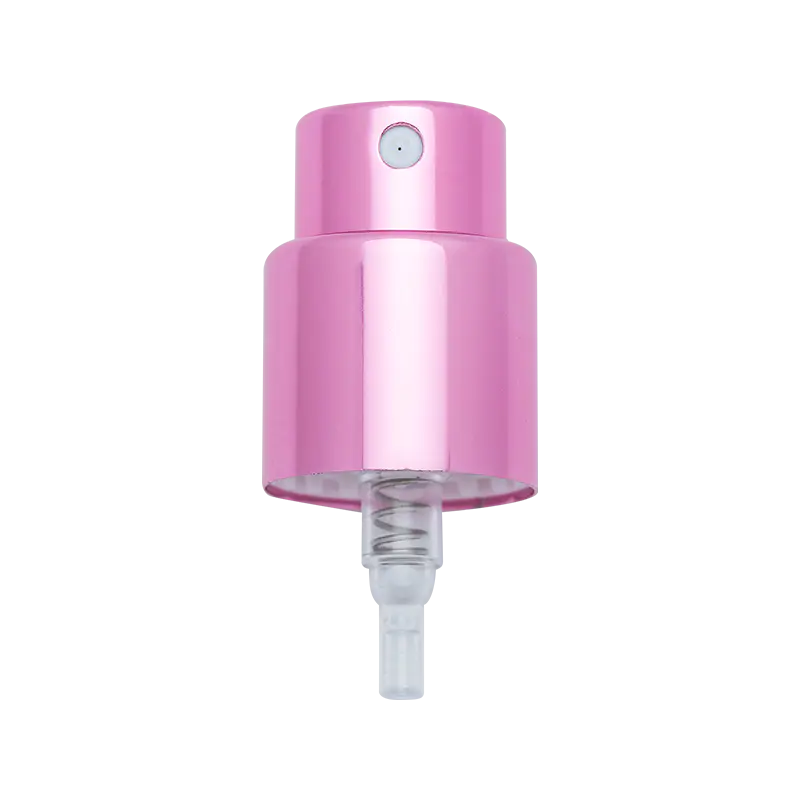 XY-LK-17/415 15mm Screw perfume fine mist pump sprayer OD17.2mm
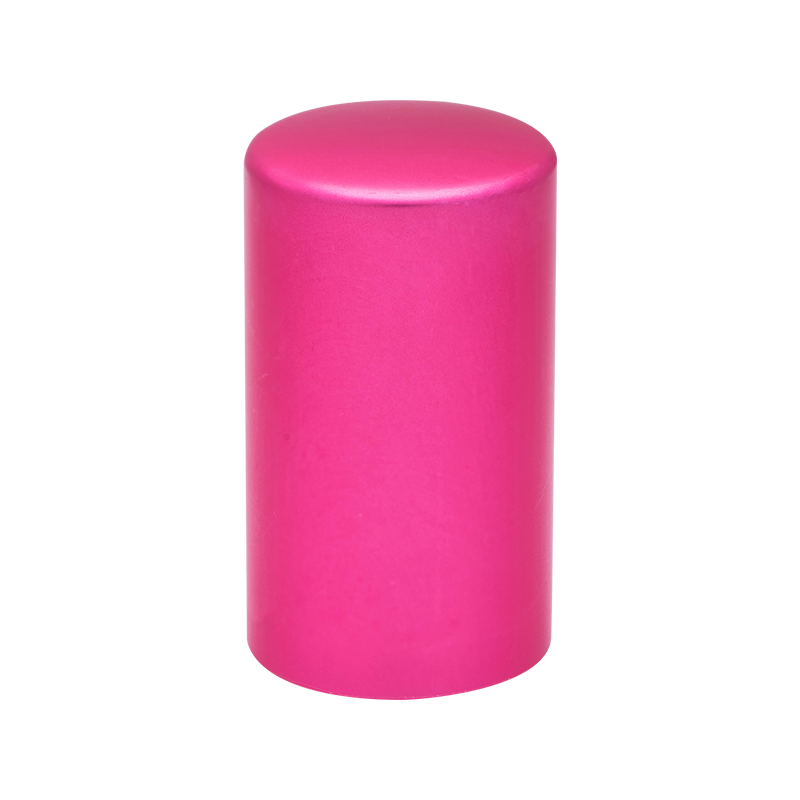 XY-LZ-18.6*32 Straight Perfume Bottle Aluminum Cap For Luxury Glass Fragrance Bottles, Minimalist Design
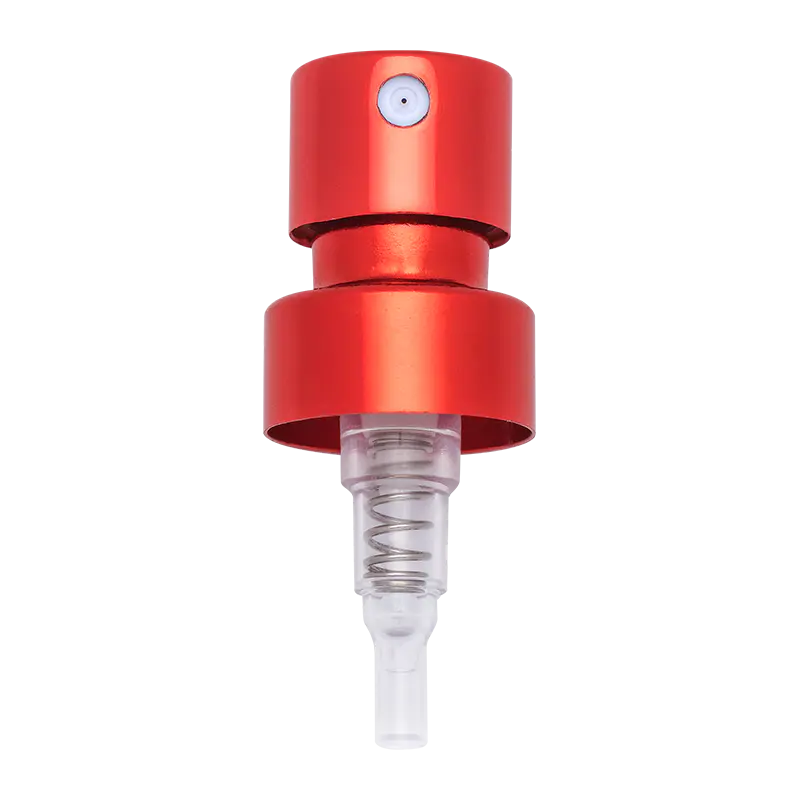 XY-PT-⊘13AB 13mm Crimp perfume fine mist pump sprayer short type
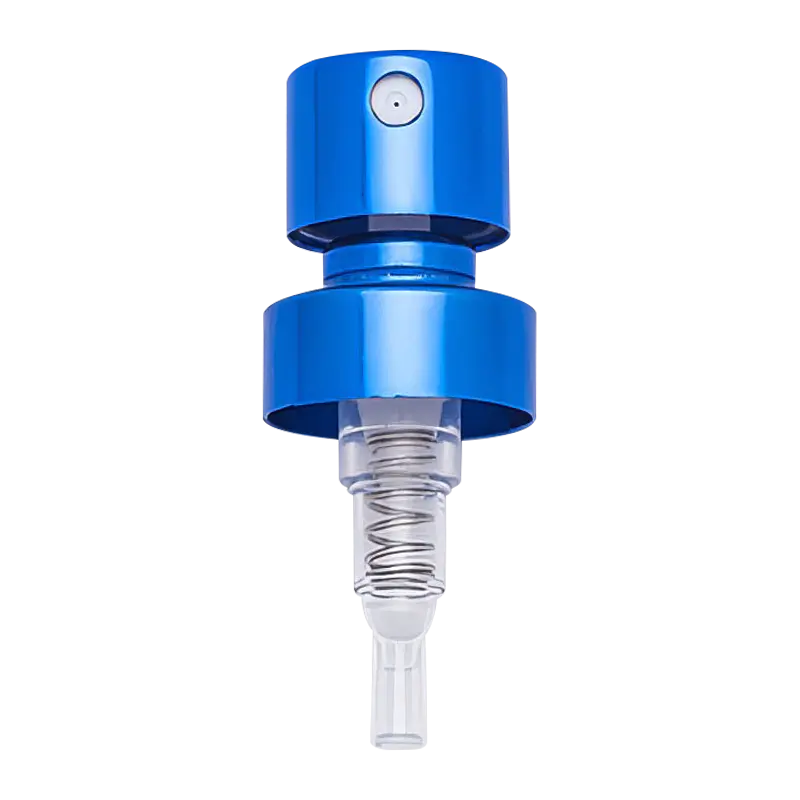 XY-PT-⊘13CAMG 13mm Crimp perfume fine mist pump sprayer shorter type
Tel: +86-13812990918
Phone: +86-512-58962260
Address: No.3, Xiangqun Road, Leyu, Zhangjiagang.


 English
 русский
 Español
 عربى
عربى Português