Article Directory
When a packaging buyer asks what materials are used in aluminum perfume pumps, the short answer is simple: the visible hardware is aluminum alloy, but the pump's working core is a precise combination of engineered thermoplastics, elastomers, and stainless steel springs. The long answer is more useful, because each material affects compatibility, leak resistance, spray performance, and the way the pump behaves on a filling line.
An aluminum perfume pump is not one component. It is a system of metal, plastic, rubber, and often ceramic or glass parts. If any one material is wrong for the perfume formula, the pump may leak, evaporate, clog, or alter the scent. This guide explains the main materials, why they are selected, and what changes as you move from crimp pumps to crimpless and screw pumps.
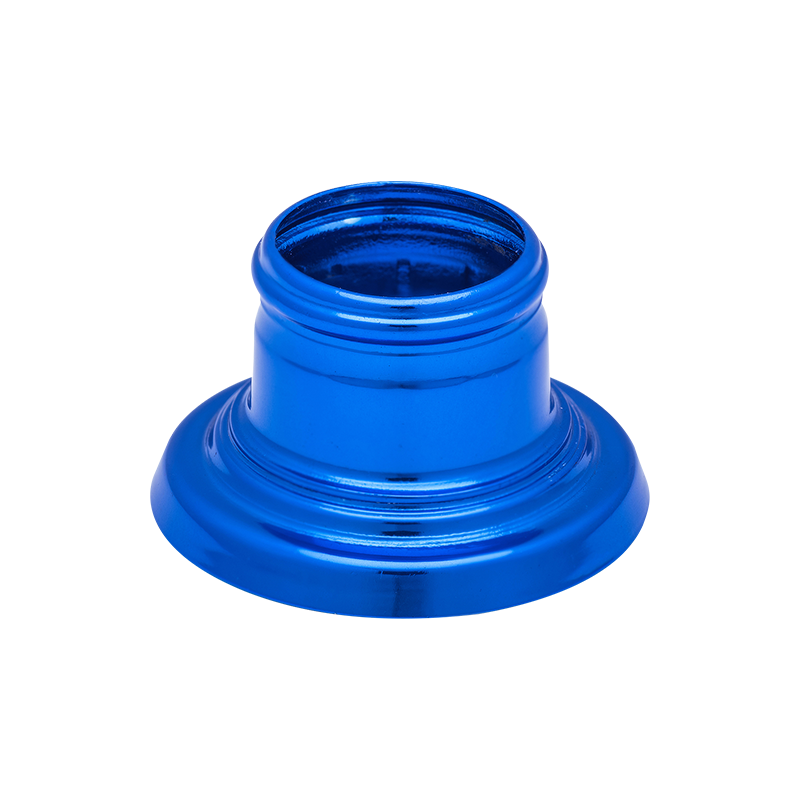
The metal parts on a typical perfume pump are the ferrule or collar that fixes the pump to the bottle, and sometimes the actuator shell or overcap. These parts are usually made from aluminum alloys selected for their ability to be deep-drawn or formed without cracking, while still offering good corrosion resistance after anodizing or lacquering.
Common alloy families include 3000 series for drawn ferrules, 5000 series for formed components that need moderate strength, and 6000 series for threaded collars where machining or thread-forming accuracy matters. The exact grade and temper affect hardness, springback, and how cleanly the aluminum crimps onto a glass neck.
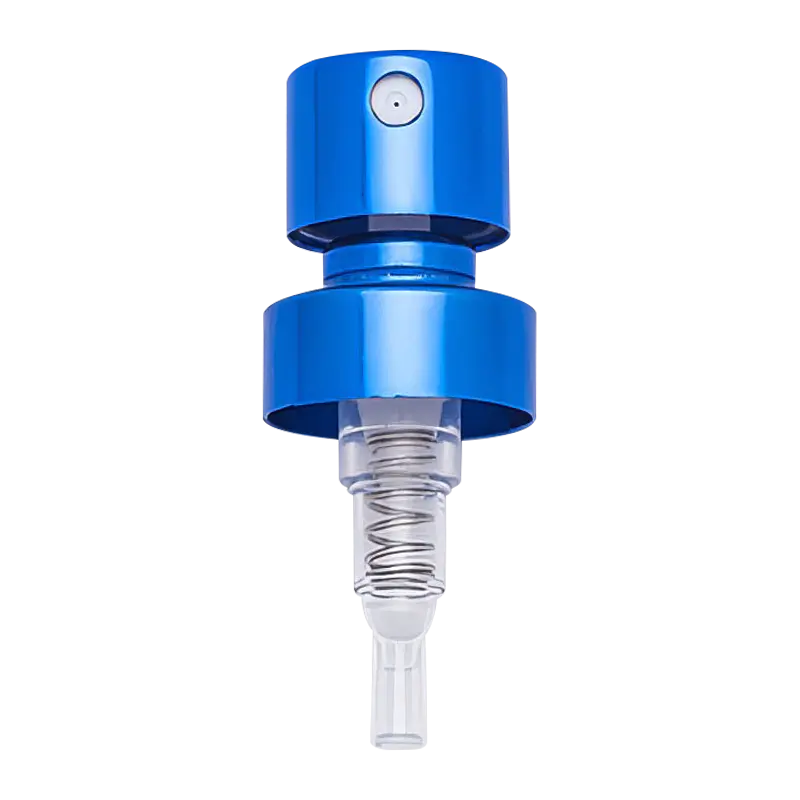
On a crimp pump, the ferrule has to deform evenly around the neck, which means the aluminum must be ductile but not soft enough to lose its grip. A representative example is the XYPT-15ABMG 15mm crimp perfume fine mist pump sprayer, where the formed aluminum ferrule and collar meet both sealing-force and cosmetic-finish requirements.
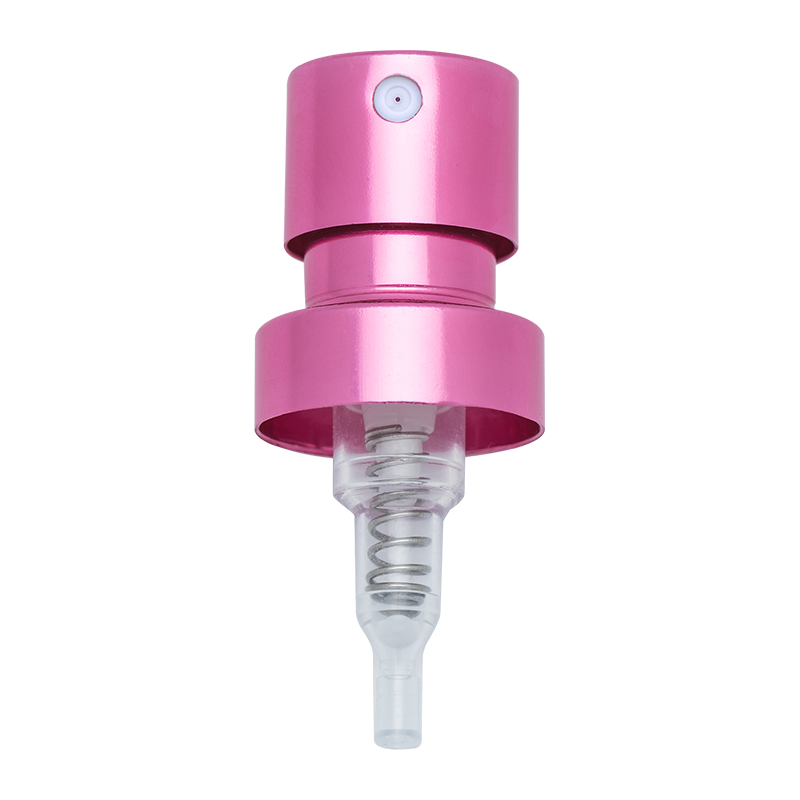 15mm Crimp Perfume Fine Mist Pump Sprayer FEA15 for Fragrance BottlingA professional-grade 15mm crimp perfume fine mist pump sprayer. Engineered for a secure FEA15 fit, this pump ensures precise 0.12ml dosag...View Product →
Surface finishing is not just decorative. Anodizing thickens the natural oxide layer and allows colors such as gold, silver, and black to be applied evenly. A poorly controlled anodizing bath can change the metal's surface hardness and leave visible fingerprints or oxidation marks on the collar. This is why aluminum finishing is part of material selection, not an afterthought.
Most of the wetted plastic components are not visible from outside. The actuator, stem, piston, valve body, and dip tube are molded from thermoplastics that must resist ethanol, fragrance oils, preservatives, and UV stabilizers without swelling, cracking, or releasing extractables.
Polypropylene (PP) and polyethylene (PE) are the workhorses of the pump's fluid path. They are light, economical, and show good resistance to the alcohol-water mixtures used in most perfumes. PE, especially low-density or linear low-density PE, is common for dip tubes because it is flexible enough to follow the bottle shape and can be cut to length during assembly.
The piston, valve seat, and internal stem components are often made of acetal (POM). POM offers low friction, good dimensional stability, and enough inherent stiffness to hold tight tolerances over thousands of strokes. In small-bore perfume pumps, the difference between a POM piston and a softer plastic valve is visible in spray consistency and dosage accuracy.
In screw pumps, the aluminum outer collar is often combined with a plastic threaded insert. The plastic insert reduces friction between the metal collar and the glass neck, prevents galling, and helps the consumer close the cap smoothly. This combination is common in the 13/415 and 15/415 screw pump families.
Inside an aluminum perfume pump, the spring and the check-valve ball are the principal non-aluminum metal parts. Springs are usually made from stainless steel wire such as 304 or 316, selected for corrosion resistance and fatigue life. 316 offers better resistance to chloride-containing formulations, while 304 is sufficient for many alcohol-based perfumes. In aggressive or high-acid formulas, the spring may be coated or redesigned so the product never touches it.
The check valve is often a small ball that moves in a plastic chamber. Stainless steel balls are strong and heavy enough to produce a reliable seal. Ceramic and glass balls offer chemical inertness and are often specified when the formula is sensitive to metals or when long-term color stability is required.
For essential oil blends, the choice of spring and ball becomes even more critical. You can read more about essential oil compatibility in aluminum screw pumps in an earlier guide.
No aluminum pump can be leak-proof with metal and plastic alone. The gasket, O-rings, and sealing valves use flexible elastomers that conform to mating surfaces and absorb minor dimensional variation.
The most common elastomer families are nitrile (NBR), EPDM, silicone, and fluoroelastomers (FKM). NBR offers a good balance of cost and resistance to oils and alcohols. EPDM performs well in alcohol and water-based formulas. Silicone has broad temperature compatibility. FKM is reserved for aggressive formulas where long-term chemical resistance is non-negotiable.
The gasket sits between the pump and the glass bottle. If it absorbs fragrance, swells, or hardens, the pump will fail evaporation testing even when all other parts are correct. This is why a complete QC program always tests the gasket and dip tube against the actual formula before mass production. The chemical resistance of the gasket and dip tube is one of the first checks we run on a new fragrance.
Once the main material groups are clear, it helps to map them to the three pump architectures used in perfume packaging.
| Pump type | Aluminum parts | Plastic and elastomer parts | Typical neck sizes |
|---|---|---|---|
| Crimp pump | Aluminum ferrule and collar | PP/PE housing, POM piston, elastomer gasket, PE dip tube, stainless steel spring | 13 mm, 15 mm, 18 mm, 20 mm |
| Crimpless pump | Aluminum collar with pre-formed edge | Same internal system; no crimping pressure is applied | 13 mm, 15 mm, 20 mm |
| Screw pump | Aluminum threaded collar, optional aluminum overcap | Plastic screw insert, POM valve system, elastomer seal, stainless steel spring | 12/415, 13/415, 15/415, 18/415; 20 mm screw options |
In a crimp pump, the aluminum ferrule must deform around the bottle neck. In a screw pump, the aluminum is machined or formed into a thread that matches a 415 finish. The material is still aluminum, but the failure modes are very different.
For screw pumps, the critical aluminum part is the threaded collar. The XYLK13-415 13mm screw perfume fine mist pump sprayer is an example of how a 13/415 thread must hold a consistent seal while remaining easy to assemble.
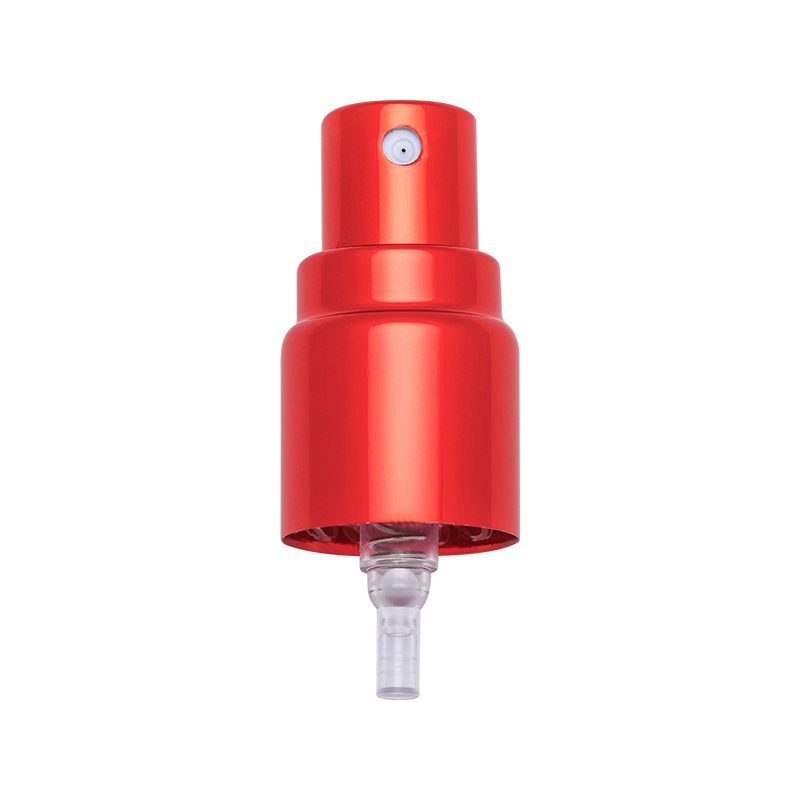 Custom XY-LK-13/415 13mm Screw perfume fine mist pump sprayer Manufacturers, FacZhangjiagang XinYe Chemical Sprayer Co., Ltd. specialize in custom and wholesale XY-LK-13/415 13mm Screw perfume fine mist pump sprayer i...View Product →
Buyers often focus on the visible aluminum finish and discover too late that a small elastomer or plastic component is incompatible with the fragrance. The most common problems are evaporation, discoloration, clogging, and dosage drift. Each of these can be traced back to a material choice.
Filling lines also benefit from material stability. A pump whose plastic parts absorb ethanol and swell will produce inconsistent dosages, while a spring that corrodes can leave particles in the bottle. Defining materials early reduces these risks and makes the transition from sample to production faster.
That is why we recommend that buyers define the material requirements before requesting samples. If you are working with a 13/415 bottle, the selection process is covered in more depth in our guide on how to choose a 13/415 perfume spray pump as a buyer.
The practical question is not only what materials are used in aluminum perfume pumps, but who controls their quality. At Zhangjiagang XinYe Chemical Sprayer, the production chain includes aluminum stamping, injection molding, aluminum anodizing, and automated assembly. This means the aluminum alloy, the plastic resin, and the final fit can be tracked from raw material to finished pump.
When a manufacturer controls the aluminum parts and plastic molding in-house, it is easier to keep the material specifications consistent. A crimp pump ferrule that works in one batch must have the same hardness and ductility in the next batch. The same applies to POM piston dimensions and gasket hardness.
An aluminum overcap is the last material touch point. The XYLZ18-6-32 straight perfume bottle aluminum cap for luxury glass fragrance bottles is designed to protect the pump and actuator while adding a clean visual finish.
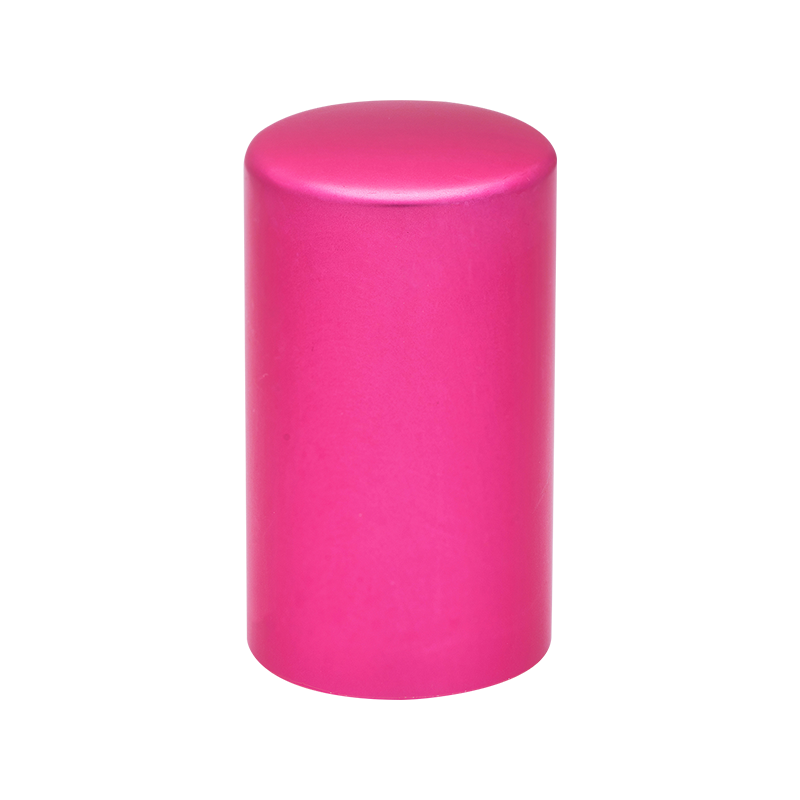 Custom XY-LZ-18.6*32 Straight Perfume Bottle Aluminum Cap For Luxury Glass FragrZhangjiagang XinYe Chemical Sprayer Co., Ltd. specialize in custom and wholesale XY-LZ-18.6*32 Straight Perfume Bottle Aluminum Cap For L...View Product →
Ask for material details, test against your formula, and choose a supplier that treats material selection as part of the product design. That is the difference between a pump that looks like aluminum and a pump that performs like a precision assembly.
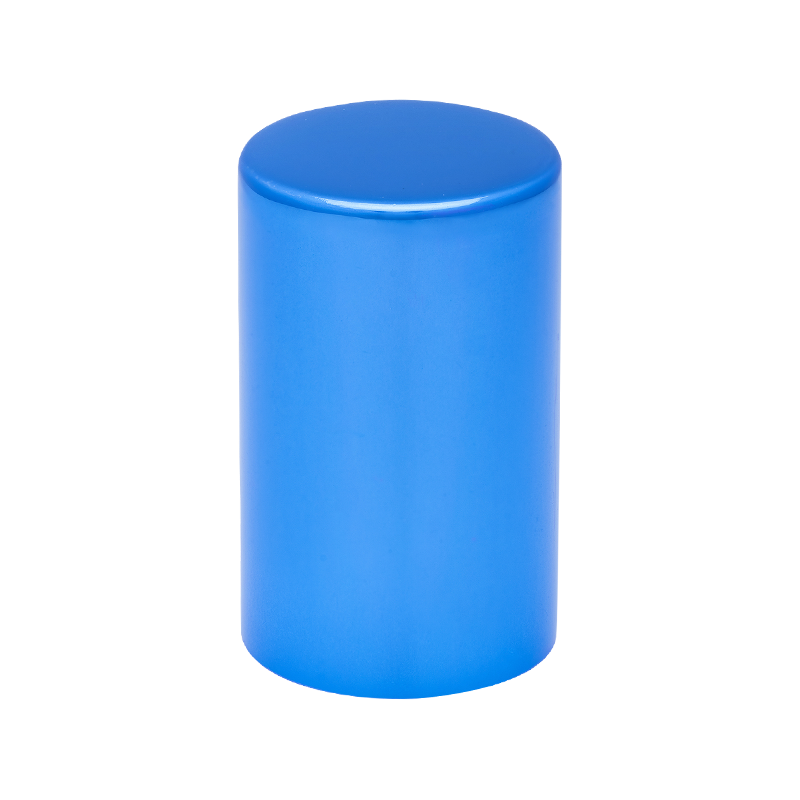 XY-LZ-20.6*34 Multiple Colors Straight Perfume Aluminum Cap/Lid For Fragrance, Essential Oil Bottle
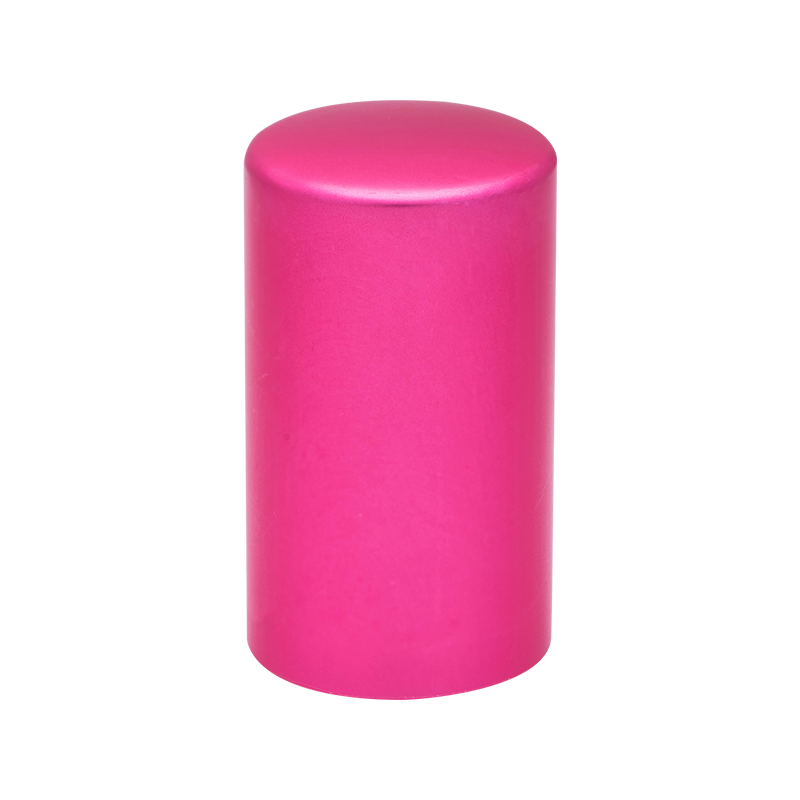 XY-LZ-18.6*32 Straight Perfume Bottle Aluminum Cap For Luxury Glass Fragrance Bottles, Minimalist Design
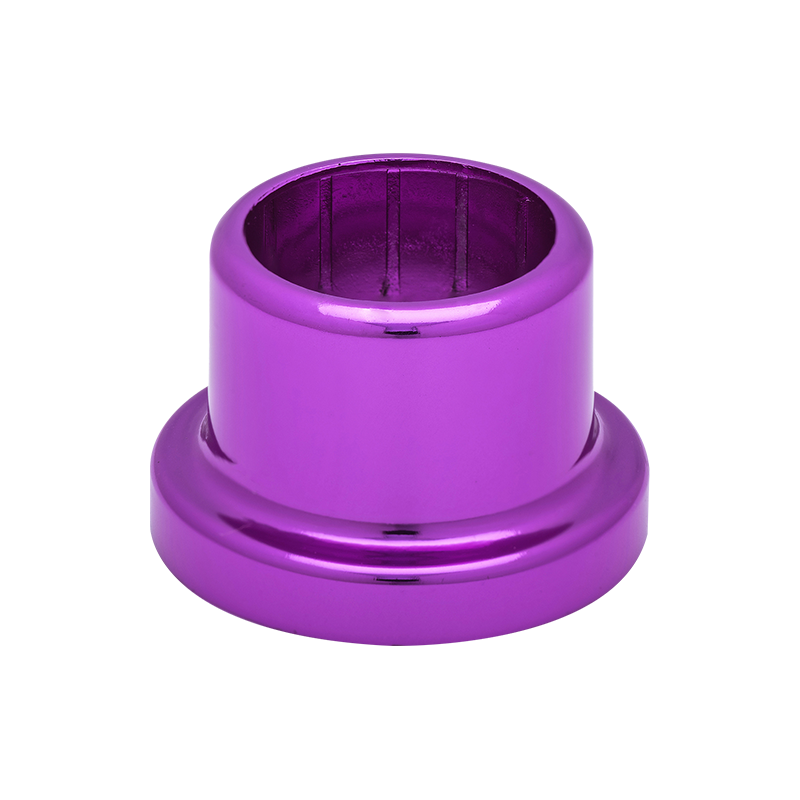 XY-ZT-17.05*15.6 22.8*4 Aluminum Cosmetic Perfume Collar With Step
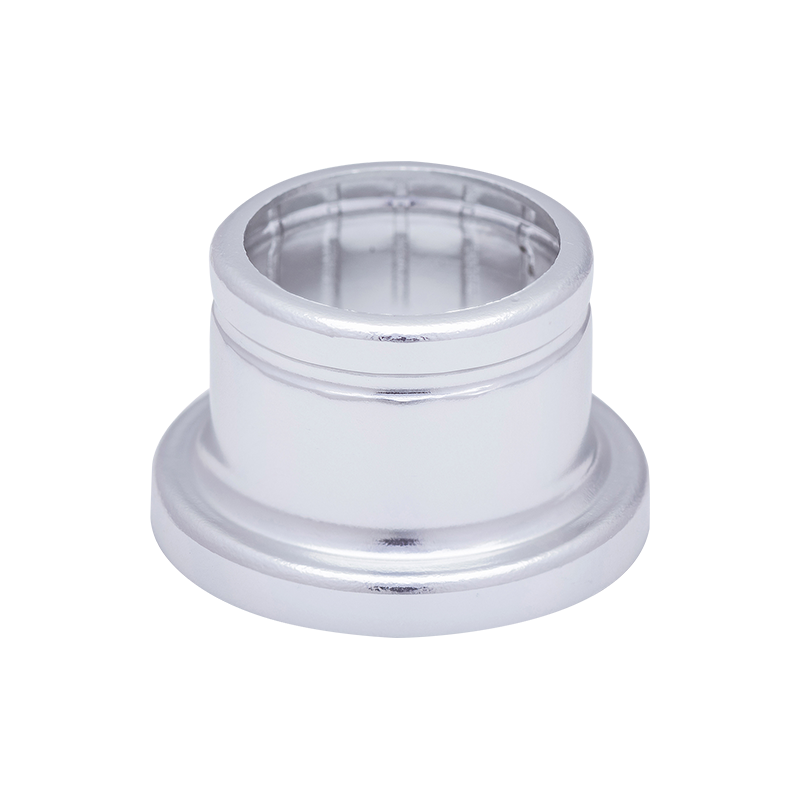 XY-ZT-17.3*14DBSNG Gold/Silver Perfume Cap Collar Aluminum Stepped Collar
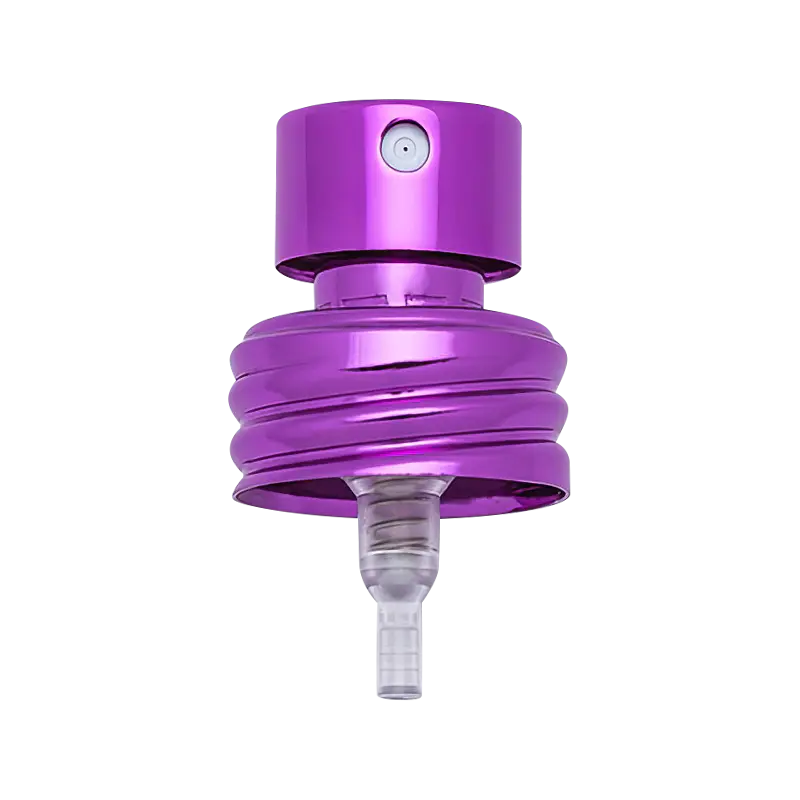 XY-LK-20.8CK 20mm Aluminum screw perfume fine mist pump sprayer OD20.8mm
 XY-PT-⊘13CAMG 13mm Crimp perfume fine mist pump sprayer shorter type
 XY-ZT-DADB Custom Perfume Bottle Stepped Collar With Groove
Tel: +86-13812990918
Phone: +86-512-58962260
Address: No.3, Xiangqun Road, Leyu, Zhangjiagang.


 English
 русский
 Español
 عربى
عربى Português