Article Directory
An 18/415 Screw Pump is a precision-engineered dispensing mechanism designed for small-capacity containers, characterized by an 18mm neck diameter and a 415 thread finish. This specific configuration is the industrial standard for controlled delivery of low-to-medium viscosity liquids, such as essential oils, facial serums, and pharmaceutical reagents, where airtight sealing and accurate dosage are technical requirements.
The "18/415" designation refers to the GPI (Glass Packaging Institute) or SPI (Society of the Plastics Industry) neck finish standards. Precision in these dimensions ensures that the pump creates a leak-proof seal with the bottle, preventing oxidation of the formula inside.
| Dimension Parameter | Specification | Functional Significance |
| Neck Diameter | 18 mm | Determines the outer width of the bottle neck. |
| Thread Finish | 415 (2-turn) | Provides a taller neck height compared to 400 or 410, allowing for a more secure screw-down engagement. |
| Dosage Output | 0.10cc - 0.20cc | Ensures consistent volume per stroke for high-value concentrated products. |
The internal engineering of an 18/415 Screw Pump relies on a vacuum-displacement principle. This ensures that the product remains uncontaminated by external air until the moment of dispensing.
For industrial B2B applications, selecting the correct material for the pump components is critical to prevent chemical reactions between the packaging and the formula. Most 18/415 Screw Pump assemblies utilize a combination of inert polymers.
The 18/415 format is particularly favored in sectors where product concentration is high and excessive dispensing must be avoided to maintain cost-efficiency.
| Industry Sector | Typical Product | Benefit of 18/415 System |
| Cosmeceuticals | Hyaluronic Acid Serums | Micro-dosage prevents over-application of active ingredients. |
| Aromatherapy | Essential Oil Blends | Standardized neck size fits traditional amber glass bottles. |
| Personal Care | Travel-sized Sanitizers | Compact footprint ideal for 10ml to 30ml portable packaging. |
| Diagnostics | Chemical Reagents | Consistent stroke output is critical for laboratory accuracy. |
To achieve an industrial-grade seal, the application torque during the bottling process must be monitored. For an 18mm plastic closure, a standard application torque of 7 to 12 inch-pounds is recommended. Insufficient torque leads to evaporation and leakage during transit, while over-torquing can strip the threads or damage the internal gasket. Manufacturers should utilize torque-controlled capping heads to ensure every 18/415 Screw Pump is seated correctly for maximum shelf-life stability.
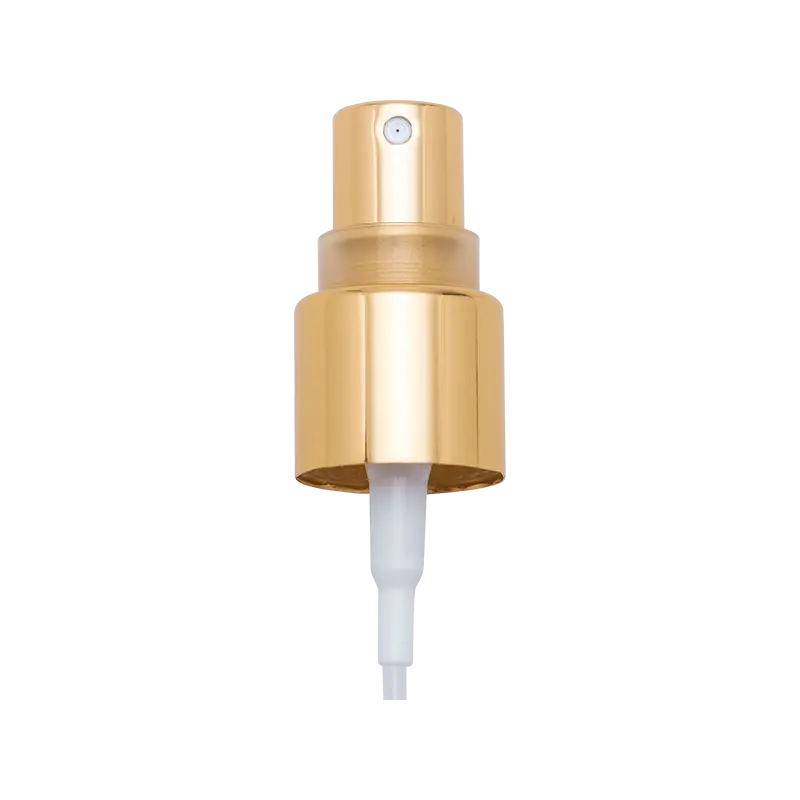 XY-LK-18/415 18mm Screw perfume fine mist pump sprayer
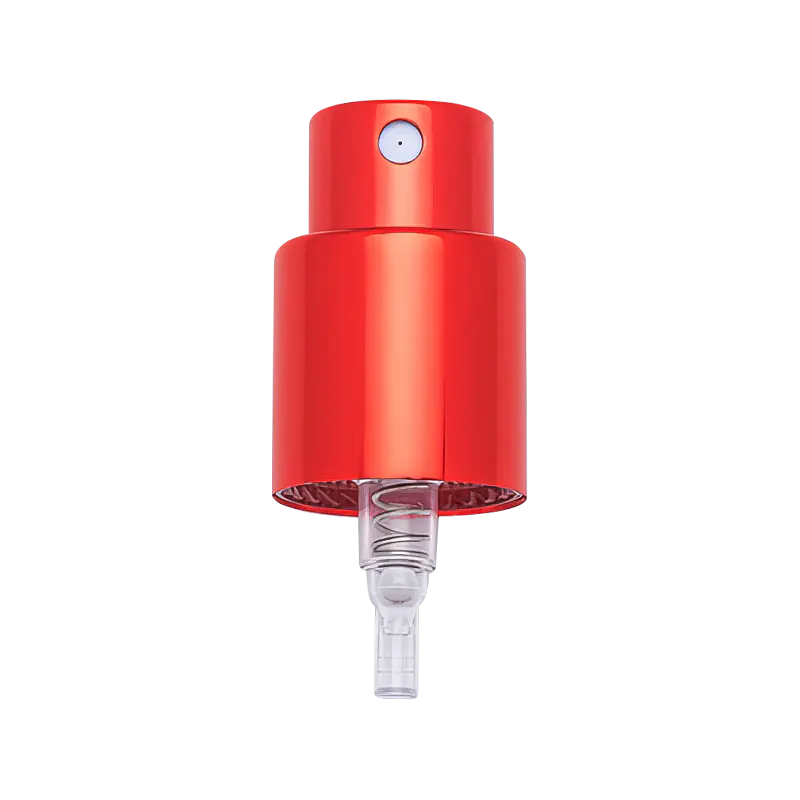 XY-LK-16/415 13mm Screw perfume fine mist pump sprayer OD16mm
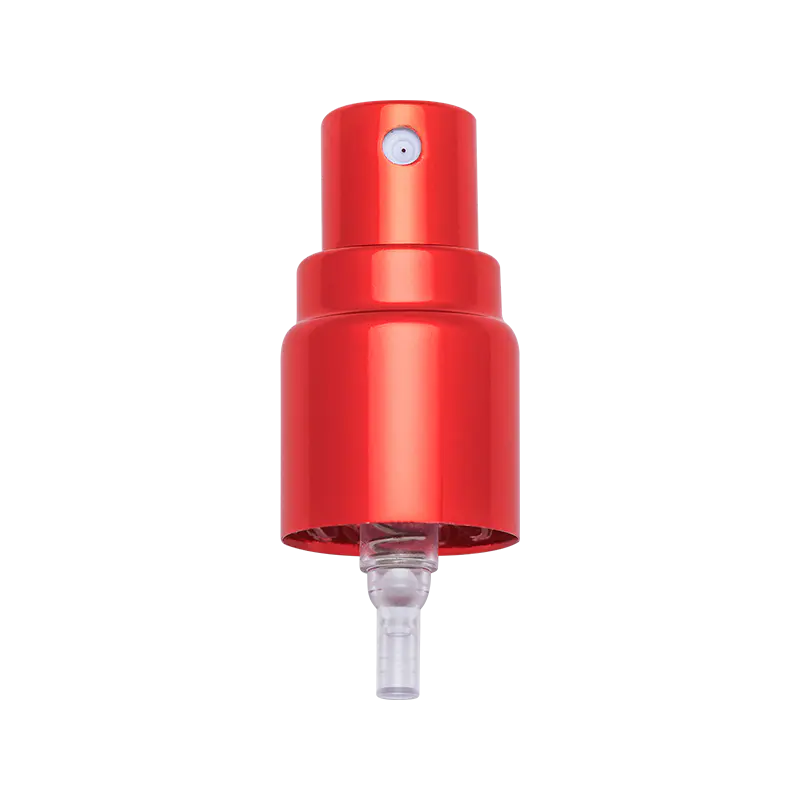 XY-LK-13/415 13mm Screw perfume fine mist pump sprayer
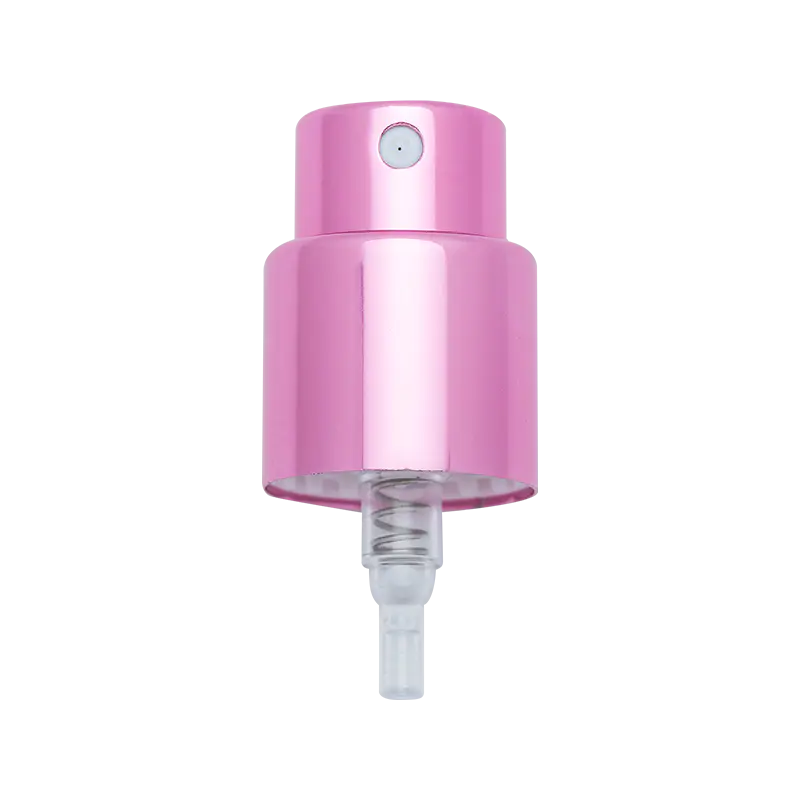 XY-LK-17/415 15mm Screw perfume fine mist pump sprayer OD17.2mm
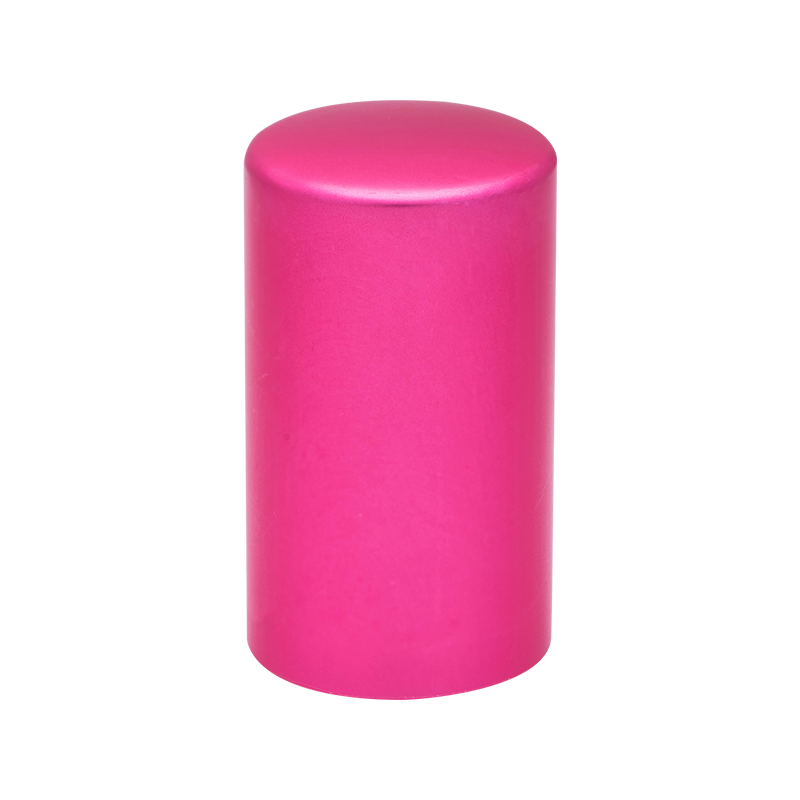 XY-LZ-18.6*32 Straight Perfume Bottle Aluminum Cap For Luxury Glass Fragrance Bottles, Minimalist Design
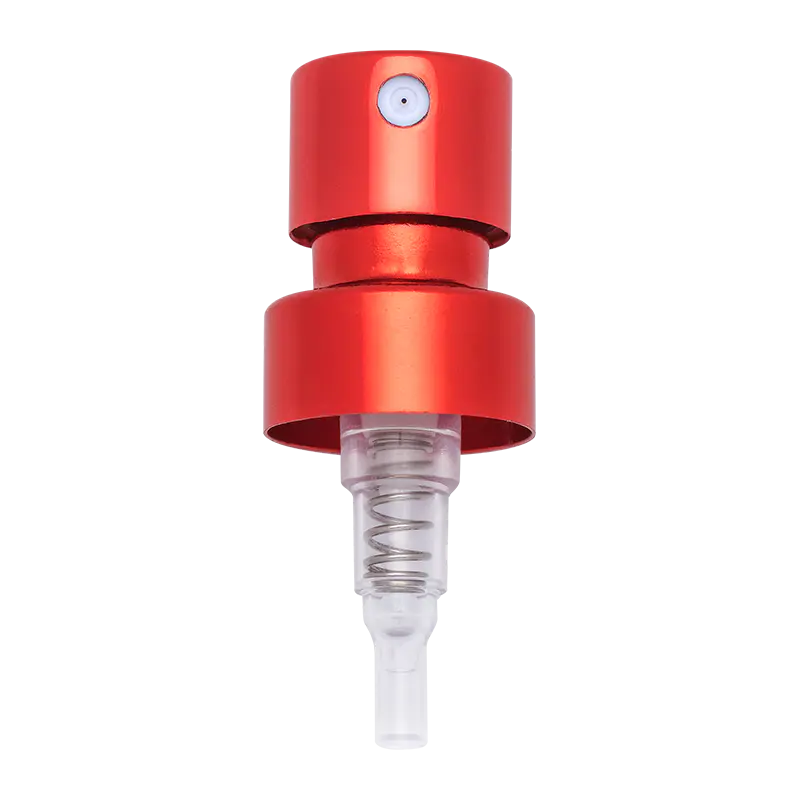 XY-PT-⊘13AB 13mm Crimp perfume fine mist pump sprayer short type
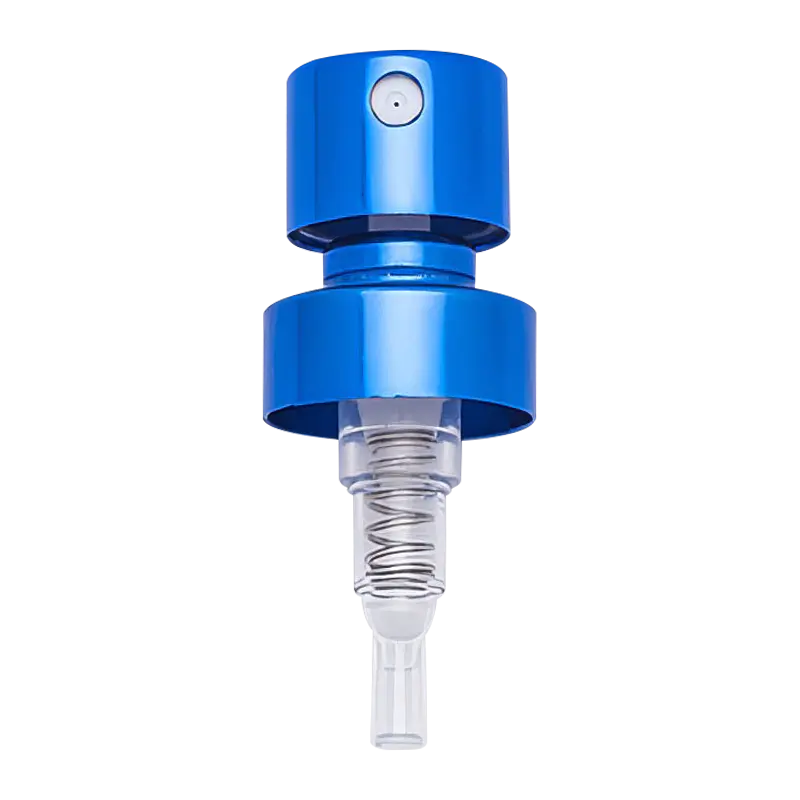 XY-PT-⊘13CAMG 13mm Crimp perfume fine mist pump sprayer shorter type
Tel: +86-13812990918
Phone: +86-512-58962260
Address: No.3, Xiangqun Road, Leyu, Zhangjiagang.


 English
 русский
 Español
 عربى
عربى Português