Article Directory
Ask five perfume pump factories in China for a monthly capacity figure and you will receive five numbers that cannot be compared. One quotes molded components, a second quotes assembled pumps before leak testing, a third quotes cartons per container. None of them describes what you need in order to plan an order.
Reliability claims have the same gap. A factory can hold a valid certificate and still ship a 15/415 screw pump batch whose actuator force drifts outside the range you approved, because a certificate describes a management system, not a batch. Capacity and reliability have to be measured at the level of the model, the line and the inspection plan.
Usable capacity is the count of fully assembled, leak-tested and packed pumps a factory completes per shift, calculated from line count, validated cycle time, shift length and a realistic efficiency factor. It is not mold tonnage, and it is never a round number offered in a quotation email.
A fine mist pump is a multi-part assembly: actuator, stem, spring, ball or gasket, body, dip tube, and in most fragrance packs an aluminum collar and cap around the pump. Each part family runs on its own equipment at its own rate, so a single capacity figure hides four separate production systems.
Usable capacity = units per hour x effective hours x efficiency. Illustrative calculation: a line running 150 pumps per minute produces 9,000 pumps per hour; at 85 percent efficiency over an 8-hour shift that is 61,200 pumps, before packing losses are deducted.
The binding station is usually assembly and testing, not molding. Molding can run three shifts and stockpile parts, while every pump still has to pass through the leak test bench, the dose check and the crimp or torque check at a fixed rate. The route from aluminum strip to finished pump, covered in this guide to how aluminum perfume spray pumps are made through stamping, molding and anodizing, explains why the anodizing batch often becomes the second constraint.
A factory that lists crimp, crimpless and screw pumps is describing three assembly routes, each with its own tooling, sealing method and filling-line requirement. Comparing quoted capacity without separating those routes produces numbers you cannot use.
| Family | How it attaches | Designation to quote | What to verify |
| Crimp pump | Aluminum ferrule crimped over the glass neck, no threads | FEA 13, FEA 15, FEA 18, FEA 20 | Crimp diameter and crimp height records per batch |
| Crimpless pump | Press-fit collar, no crimping tool on the filling line | Matched to bottle neck and collar | Retention force and removal force after filling |
| Screw pump | Threaded body screwed onto a threaded neck finish | 12/415, 13/415, 15/415, 18/415 | Thread engagement, torque, gasket or liner type |
| Aluminum screw pump | Threaded metal outer body | Body outer diameter, for example 20.8 mm | Surface finish and anodizing batch match |
The suffix in a neck finish code matters as much as the number before the slash. A 15/415 pump is built for a 15 mm neck finish, but its outer body can measure 16 mm or 17.2 mm, and the collar has to match the body diameter rather than the thread code. Ordering a collar from the thread code alone is one of the most common causes of a mismatched set at the filling line.
The choice between a 15/415 screw pump and a crimp pump changes the filling equipment, the tooling and the sampling plan, so it has to be settled before capacity is discussed. Height codes matter too: a short-type and a high-type pump can share one ferrule size while delivering different spray volume and actuator travel, so the model code is specified, not just the size.
 15mm Crimp Perfume Fine Mist Pump, High ProfileFor the screw-versus-crimp decision, this 15 mm crimp pump offers a taller body, fine mist, and customizable 0.07–0.12 ml dosage.View Product →
Ask for four separate figures, because the lowest of them sets your delivery date: pumps per shift, aluminum parts per day, anodizing batch size and inspection throughput.
Zhangjiagang XinYe Chemical Sprayer Co., Ltd. is an example of the integrated model: the company states that it runs aluminum stamping, injection molding, aluminum surface oxidation and automated pump assembly across three sites in Zhangjiagang and Huai'an, with 100,000 square meters of land, 250,000 square meters of floor area, more than 600 employees and roughly 100 people in quality and technical roles. Those published figures answer the integration question. They do not answer the capacity question, which still needs a line count and a stroke count.
Five documents separate a controlled supplier from a well-presented one: a current ISO 9001 certificate whose scope names spray pumps, a model-specific dimensional report, leak and evaporation test records, an AQL inspection plan written to ISO 2859-1, and material or finish certificates for the aluminum parts.
| Document | What it proves | What to check |
| ISO 9001 certificate | Management system audited by a third party | Version, expiry date, scope wording, certification body |
| Dimensional report | The specific model meets its drawing | Sample size, gauge or CMM method, dimensions measured |
| Leak and evaporation record | Sealing holds over time | Duration, temperature, fill liquid, acceptance limit |
| AQL inspection plan | Sampling is defined rather than improvised | ISO 2859-1 lot size, sample size, acceptance number |
| Material and finish certificate | Alloy grade and anodizing film specification | Alloy designation, film thickness range, dye lot |
Certification is a date, not a badge. Certificates issued against ISO 9001:2008 were withdrawn on 15 September 2018, when the IAF transition to ISO 9001:2015 closed, so a document still citing the 2008 version in 2026 is expired. Ask for the certificate number, the certification body and a scope statement. A scope limited to trading does not cover the molding and anodizing lines you are relying on.
Four measurements expose more about a pump factory's process control than any certificate: crimp diameter and crimp height on crimp models, dose per stroke, actuator force, and mass loss in an evaporation test.
Aluminum collars and caps add a second control problem. Two anodized parts that sit next to each other on a shelf are judged together, so color has to be specified as a numerical Delta E limit in the purchase order rather than a phrase like "must match". Step collars also carry a height tolerance that affects how the cap seats, and that tolerance belongs on the drawing before the tooling is cut.
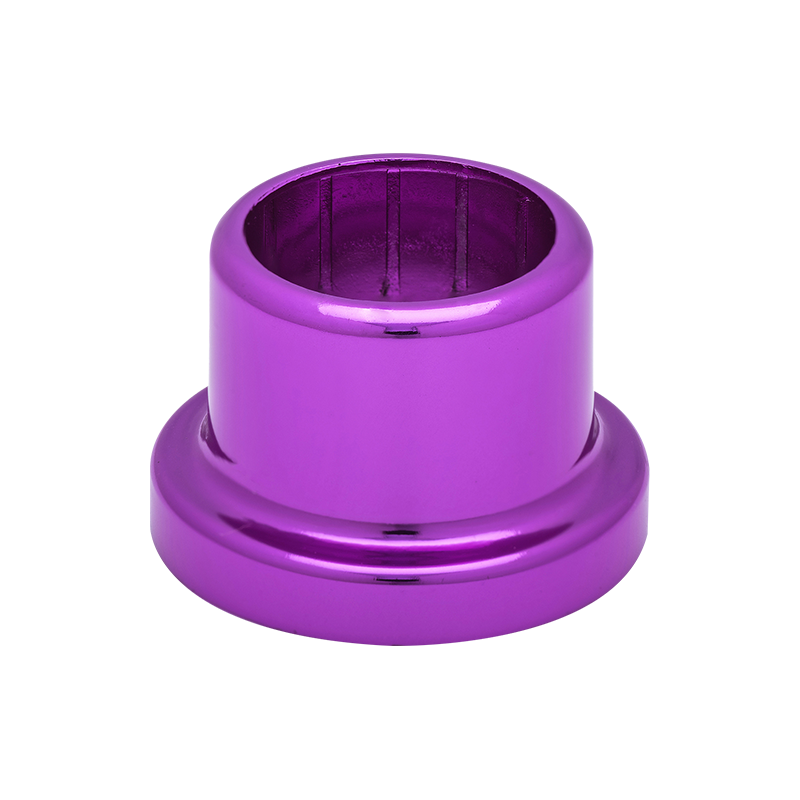 Stepped Aluminum Cosmetic Perfume Collar, 22.8 mmAnodized aluminum step collar with 17.05/15.6 mm inner diameters and 22.8 mm outer diameter, suited to color and cap-seating checks.View Product →
Score on six weighted criteria and attach evidence to every score, because a supplier that scores 80 with no documents behind the number is a weaker bet than one that scores 65 with records attached.
Set the pass mark before you score, not after. Treat any criterion that scores zero as disqualifying regardless of the total, and keep the evidence file with the purchase order so the next audit compares like with like.
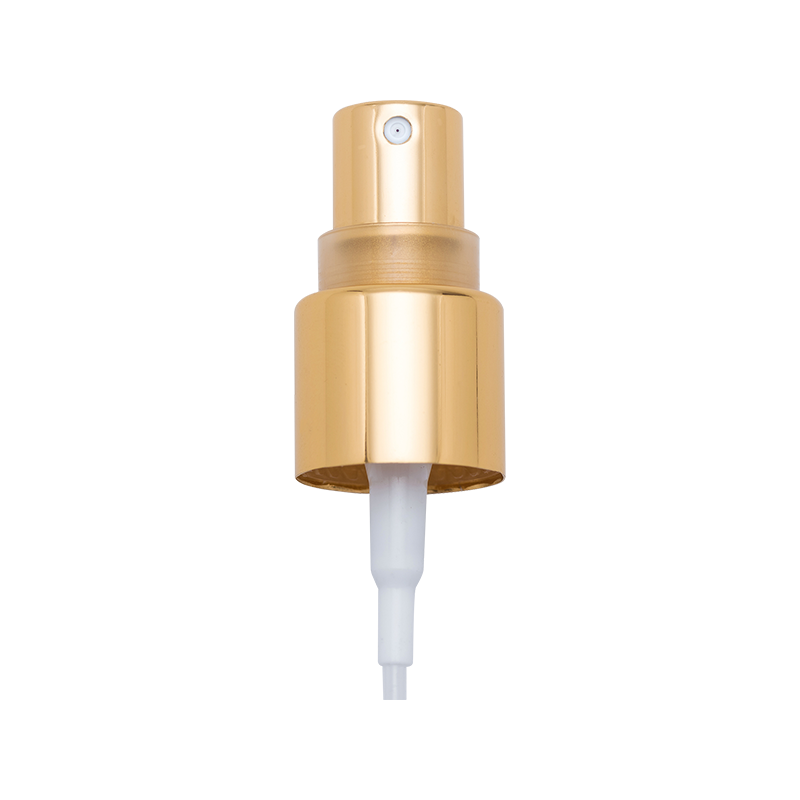 18/415 Screw Perfume Fine Mist PumpFor capacity planning, this 18/415 screw pump offers a pre-compression engine, 0.05–0.12 ml dosage, and customizable dip tube and finish.View Product →
Ask for the line list, the shift pattern and a ten-minute stroke count on one assembly line, then calculate instead of accepting a figure. Illustrative calculation: 150 pumps per minute at 85 percent efficiency over two 8-hour shifts gives 122,400 pumps per day from a single line, or about 2.57 million in a 21-working-day month.
Crimp sizes follow the FEA dimensional standards, in which FEA 13, FEA 15, FEA 18 and FEA 20 designate nominal ferrule diameters of 13, 15, 18 and 20 mm. Bottle necks follow finish codes such as 13/415, 15/415 and 18/415, where the first number is the nominal neck diameter in millimeters and the suffix defines thread and height. Confirm the pump outer body diameter as well, because a 15/415 pump can be supplied with a 16 mm or 17.2 mm body.
Set AQL by defect class instead of one number for everything. A leak, a stuck actuator or a missing gasket is a critical defect and should be covered by 100 percent in-line testing rather than sampling, while cosmetic marks on a hidden collar surface can sit at a looser acceptance level. Write the standard (ISO 2859-1), the lot size, the sample size and the acceptance number into the order, and keep the same plan for every repeat delivery so results stay comparable.
Split it into four blocks and get each in writing: sample approval, material and component procurement, production including anodizing, and final inspection plus booking. Anodizing runs in batches, so a new dye lot or a color change can add a full batch cycle even when the assembly lines are free. A single total figure hides which of the four blocks will slip.
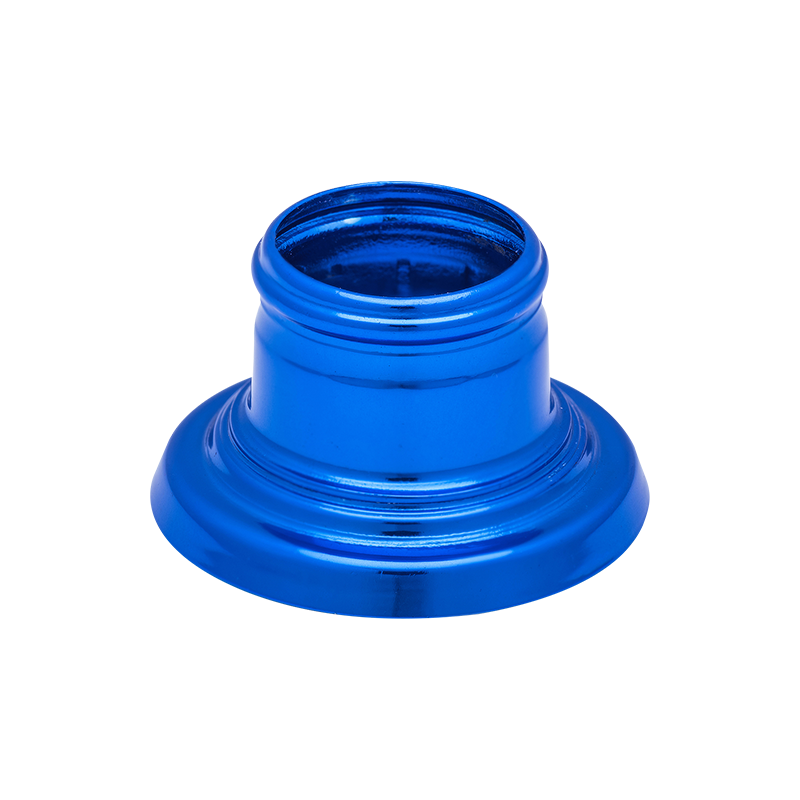 XY-ZT-DADB Custom Perfume Bottle Stepped Collar With Groove
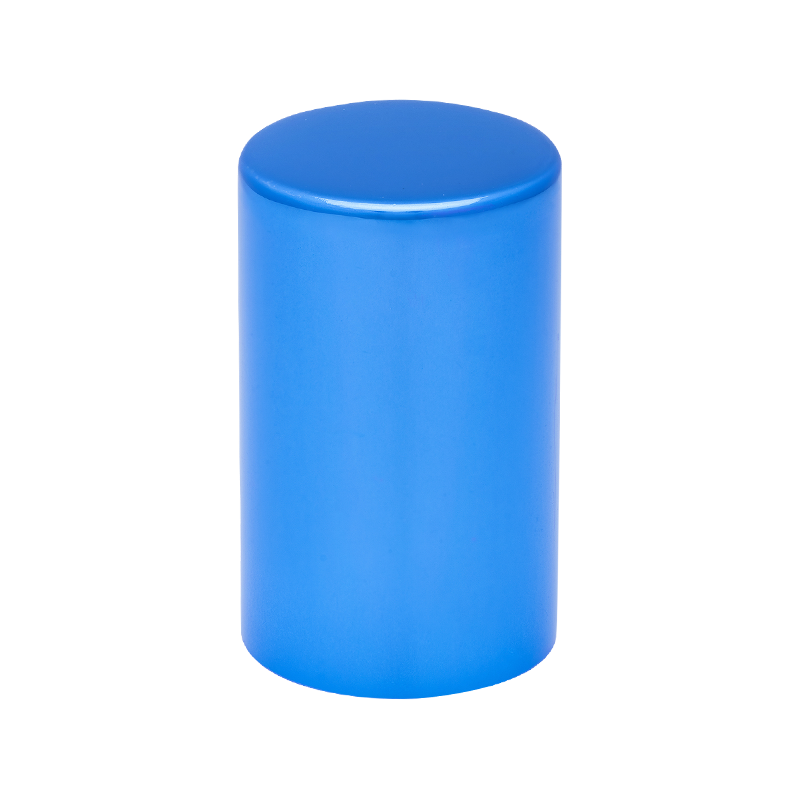 XY-LZ-20.6*34 Multiple Colors Straight Perfume Aluminum Cap/Lid For Fragrance, Essential Oil Bottle
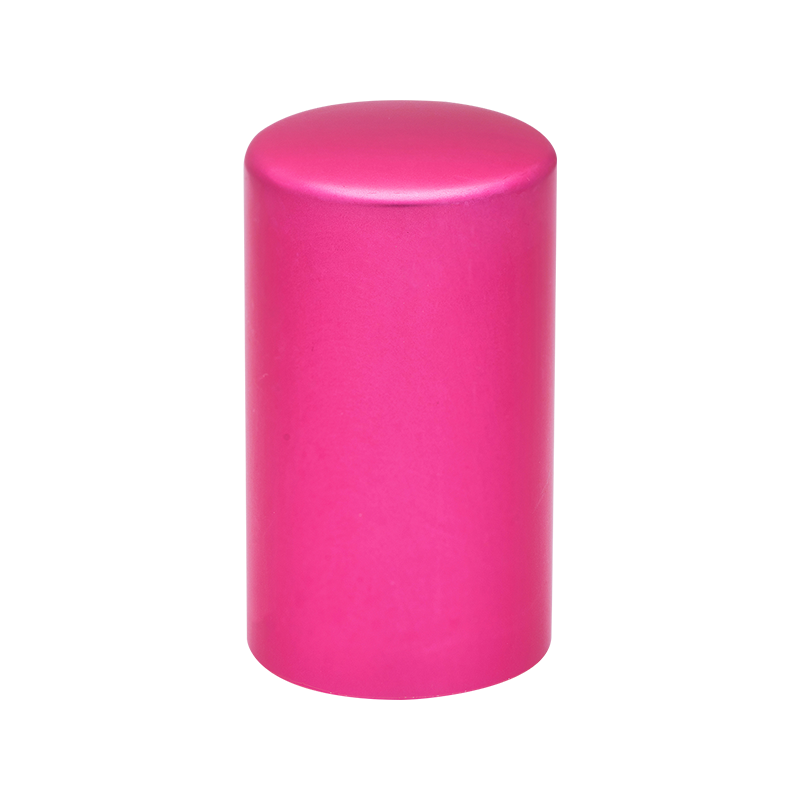 XY-LZ-18.6*32 Straight Perfume Bottle Aluminum Cap For Luxury Glass Fragrance Bottles, Minimalist Design
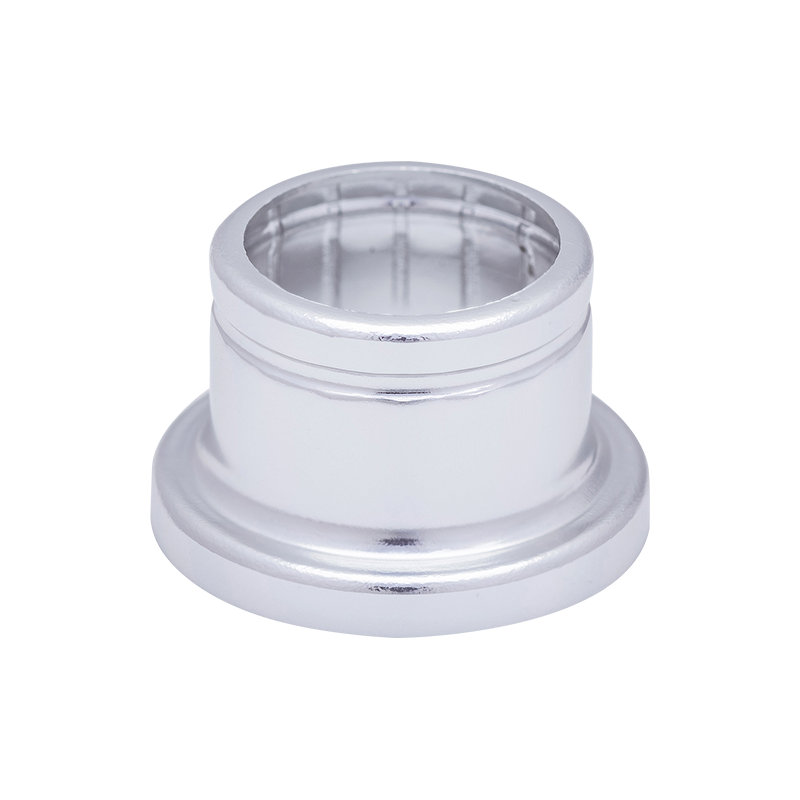 XY-ZT-17.3*14DBSNG Gold/Silver Perfume Cap Collar Aluminum Stepped Collar
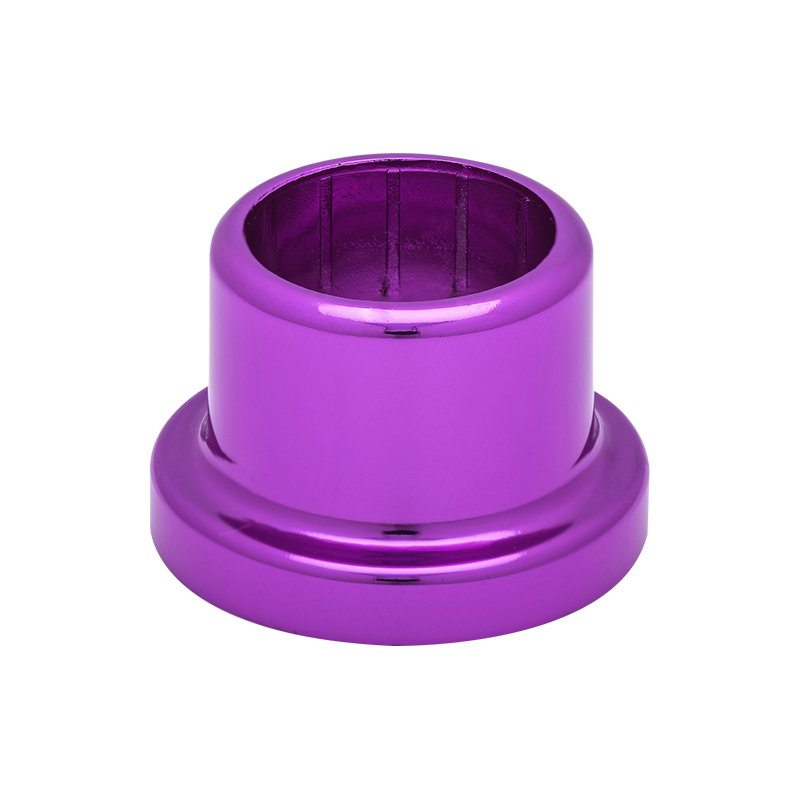 XY-ZT-17.05*15.6 22.8*4 Aluminum Cosmetic Perfume Collar With Step
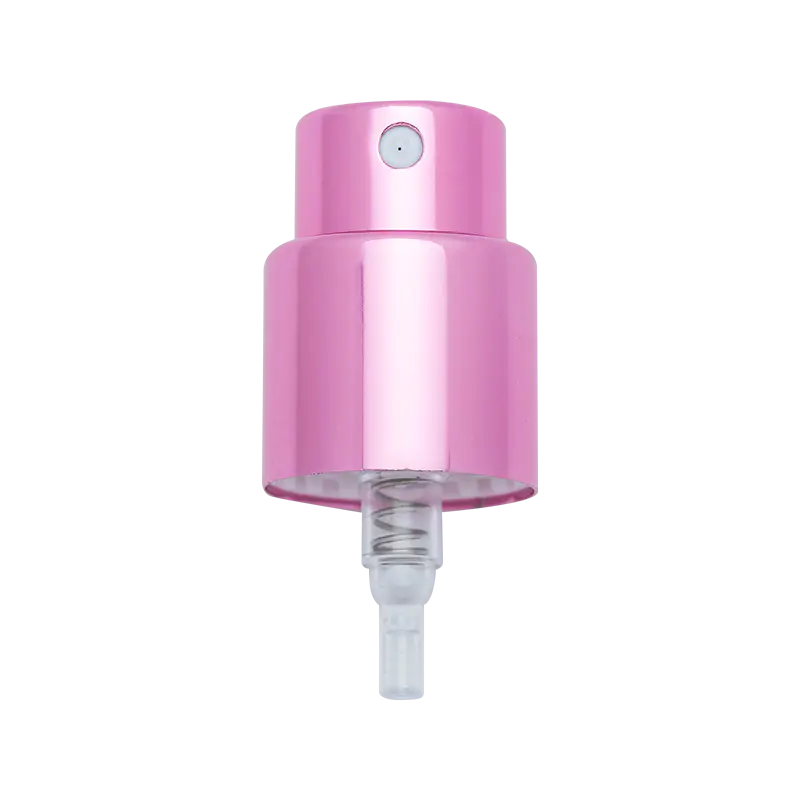 XY-LK-17/415 15mm Screw perfume fine mist pump sprayer OD17.2mm
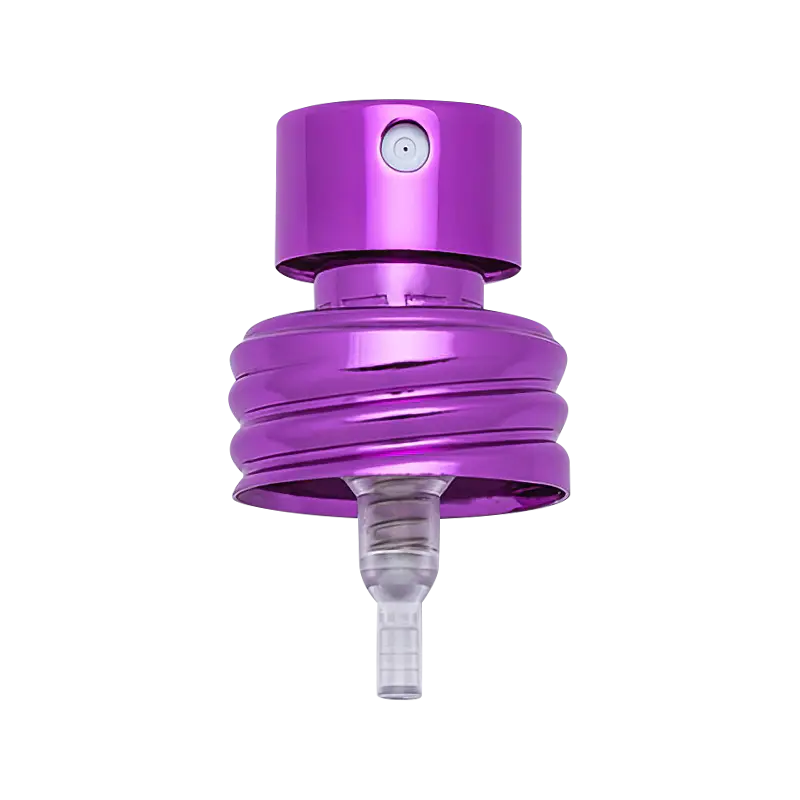 XY-LK-20.8CK 20mm Aluminum screw perfume fine mist pump sprayer OD20.8mm
Tel: +86-13812990918
Phone: +86-512-58962260
Address: No.3, Xiangqun Road, Leyu, Zhangjiagang.


 English
 русский
 Español
 عربى
 Português
