Article Directory
A private-label fragrance brief usually arrives with three things attached: a reference bottle, one sentence about how the spray should feel, and a launch date. Everything else, from ferrule diameter and collar profile to cap height and gasket compound, is left open. Those four decisions, not the scent, decide whether the project ships on the date written in the email. The sequence below is the one that keeps sampling cycles short.
The neck finish on the glass eliminates most of the pump catalogue in a single step, so it is the first specification to freeze. A 15/415 bottle takes a 15/415 pump; a crimp bottle takes only a ferrule of the matching diameter and no threaded pump at all.
In the 15/415 shorthand, 15 is the neck opening in millimetres and 415 is the thread style. A 15/410 bottle and a 15/415 pump share a diameter but not a thread, and pairing them produces a cross-thread or a joint that never seals. Record these readings from the actual glass lot rather than the mould drawing:
Glass moulds wear, so a neck measured at the start of a run is not the neck measured at the end of it. The caliper procedure in this guide to 18/415 neck size measurement applies to the 13 mm and 15 mm finishes as well.
Zhangjiagang XinYe Chemical Sprayer Co., Ltd. builds all three attach families in the same plant: crimp pumps in FEA13, FEA15, FEA18 and FEA20 ferrule sizes, crimpless pumps in FEA13, FEA15 and FEA20, and screw pumps on 12/415, 13/415, 15/415 and 18/415 finishes. Because collars and caps are stamped, oxidized and assembled there too, the collar bore can be ordered against the glass and pump combination instead of being matched from stock later.
Two pumps that look identical in a catalogue photo behave differently in the same fragrance, because the gasket compound and the dip tube decide chemical compatibility and evacuation.
The gasket sits between the pump housing and the bottle neck, and it is the part the concentrate actually attacks. EPDM handles alcohol-rich and water-based formulas well but swells in contact with many hydrocarbon oils. Nitrile resists oils better and is the more usual choice for oil-heavy blends, while polyethylene and PTFE are the inert options when the concentrate carries a high terpene load from citrus or essential oils. The reliable test is a soak: submerge gasket samples in the finished concentrate, hold them at an elevated temperature for a defined period, then record swell, weight change, hardness change and discolouration. A supplier who cannot name the gasket compound in writing is not ready for a private-label run.
Dosage is the volume dispensed in one full stroke, measured on primed, filled units and quoted in millilitres or microlitres. It is a functional specification, so it belongs on the purchase order beside the neck finish. Ferrule size correlates with output: XinYe describes its 20 mm FEA20 crimp pump as a higher body with a bigger discharge, while 13 mm pumps serve low-dosage formats where a short, fine mist matters more than volume. The actuator orifice then determines how that volume is broken up, so dosage and spray pattern have to be signed off on the same sample, not in two separate rounds.
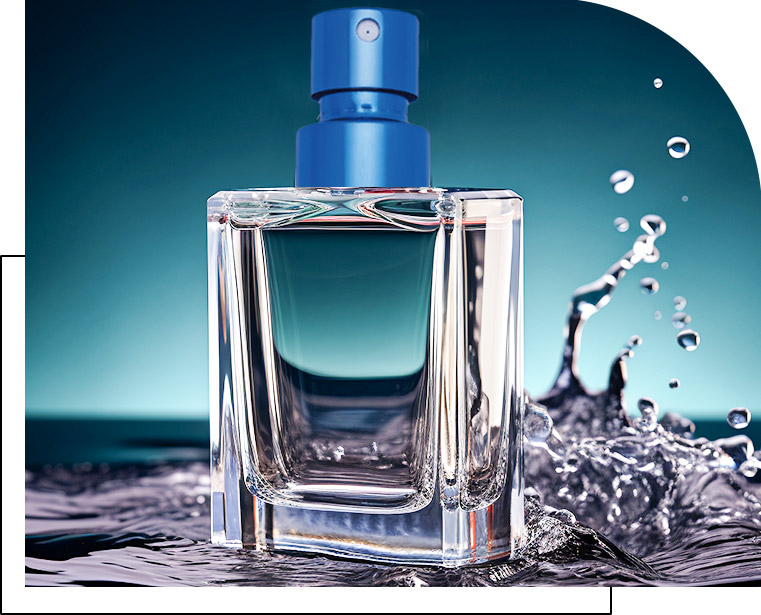 FEA15 15 mm Crimp Spray Pump RangeA sealed 15 mm crimp spray pump for perfume and personal care liquids, available in four actuator models with 0.1–0.3 mL dosage and fine-mist nozzles.View Product →
The assembly method determines what the filling line needs, whether the bottle can be reopened, and where leak risk actually comes from, so it should be fixed before decoration is discussed.
Crimp pumps remain the standard for high-volume fragrance. The ferrule is rolled over the neck bead with a collet, which gives the most consistent seal but requires a crimping machine and a matching collet at the filler. Crimpless pumps press over the same bead without that tooling, which suits sampling kits, travel sizes and short runs. Screw pumps on a 415 finish need no tooling and can be removed, so they fit refillable bottles, oils and gift sets the customer keeps.
| Criterion | Crimp | Crimpless | Screw |
| Attachment | Ferrule rolled over the neck bead | Pressed over the bead without a crimping machine | Threaded onto a 415 finish |
| Filler-line tooling | Crimping machine with matching collet | Press tool only | None |
| Reopenable | No | No, damaged on removal | Yes |
| Main leak driver | Collet wear and crimp force | Neck bead tolerance | Gasket compression and application torque |
| Best fit | High-volume fragrance | Sampling kits and short runs | Refillables, oils and gift sets |
Leak risk moves with the method. Crimp failures usually trace back to collet wear or insufficient crimp force, while screw failures trace back to gasket compression and how much torque the filling line applies. Fix the method first, then write the crimp force or torque figure into the purchase order. The 18/415 screw pump range shows how finish, outer diameter and dip tube length are specified together on a threaded body.
A step collar changes the shoulder line of a bottle more than any label, and it has to be dimensioned against the glass rather than selected from a rendering.
The collar slides over the neck and covers the crimped ferrule, so three dimensions must agree: the collar bore against the glass neck outer diameter, the collar height against the ferrule seat, and the outer profile against the cap that closes over it. Straight, stepped, grooved and embossed collars solve different problems. A straight collar gives a clean cylinder for minimal designs, a stepped collar creates a defined shoulder and hides a taller ferrule, and a grooved version lets the assembly press locate the part without marking the anodized surface.
Tolerance stack-up decides whether a finished bottle looks machined or merely assembled. Order the collar against the glass drawing and the pump drawing together, then approve the assembly rather than the individual parts.
Anodizing is the default finish for aluminium collars and follows ISO 7599, which specifies decorative and protective anodic oxidation coatings on aluminium. It converts the metal surface rather than adding a paint layer, so it does not chip at an edge, but it can show a visible colour difference between lots. That is why a signed master sample carries more weight than a colour code.
Straight aluminium caps close the design. The XinYe catalogue lists a minimalist straight cap for luxury glass fragrance bottles and a second straight range for fragrance and essential oil bottles in multiple colours, which allows cap and collar finishes to be ordered as one set instead of being matched afterwards.
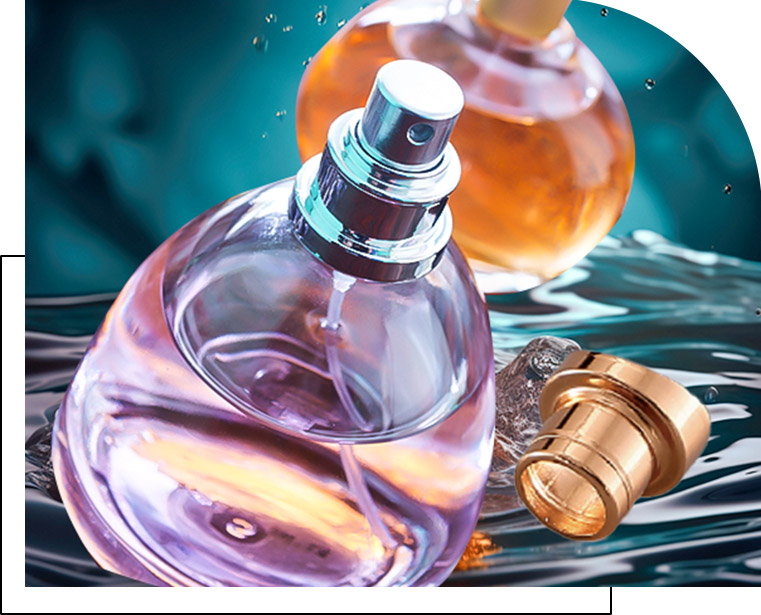 Stepped Aluminum Perfume Pump CollarAn aluminum stepped collar for perfume pump assemblies, with standard sizes and custom 13–20 mm diameters, finishes, and optional magnetic integration.View Product →
 Straight Aluminum Perfume Bottle CapsStraight-wall aluminum caps in two standard sizes for perfume and essential oil bottles, with anodized, plated, brushed, or painted finishes and OEM options.View Product →
Anodizing, lacquering, embossing and laser marking are not interchangeable processes; each adds a different production step and a different failure mode.
Two processes per part is realistic: a base finish plus one marking step. A third step multiplies handling and reject rates, so ask for a combined decorated sample instead of evaluating each finish on its own. Decoration also sits at the end of the schedule, which means every colour change consumes float that the pump and glass tolerances may need later.
A sample is approved on five measurements, not on how the bottle looks on a desk.
Changes that need no new tooling
Changes that restart drawings or tooling
A pump that leaks inside a sealed transit carton is a crimp or torque problem; a pump that loses weight on the shelf is a gasket or seal problem. The two failures need different fixes, so never accept "it leaks" as a problem description.
The right-hand list is the reason the neck finish and the collar drawing should be signed before the first fragrance sample is filled. Once either is frozen, every later change is a schedule risk rather than a design tweak.
No. What must match is the interface: neck finish, ferrule diameter on crimp bottles, and collar bore against the glass neck outer diameter. A pump and a bottle from different suppliers work together when the neck finish is identical, which is why 415 finishes are named explicitly in enquiries instead of being described by bottle capacity.
Not without an adapter, and an adapter adds a joint that has to be leak-tested. The thread diameter differs by 3 mm between those finishes, so the practical answer is two pump variants. That is also why the XinYe screw range is stocked on 12/415, 13/415, 15/415 and 18/415 instead of a single universal body.
Two processes are realistic: a base finish such as anodizing or lacquer plus one marking or embossing step. Three or more steps multiply handling and reject rates, and each additional pass adds days to the lead time of the whole project rather than only to that component.
Neck finish, ferrule diameter, dosage in millilitres per stroke with the test method, gasket compound, dip tube length, pump outer diameter, collar bore and height, cap diameter and height, the anodizing standard, and packing quantity. Ask which revision of ISO 9001 the quality certificate covers as well, because the 2008 revision has been superseded by ISO 9001:2015 and most private-label buyers now specify the current edition.
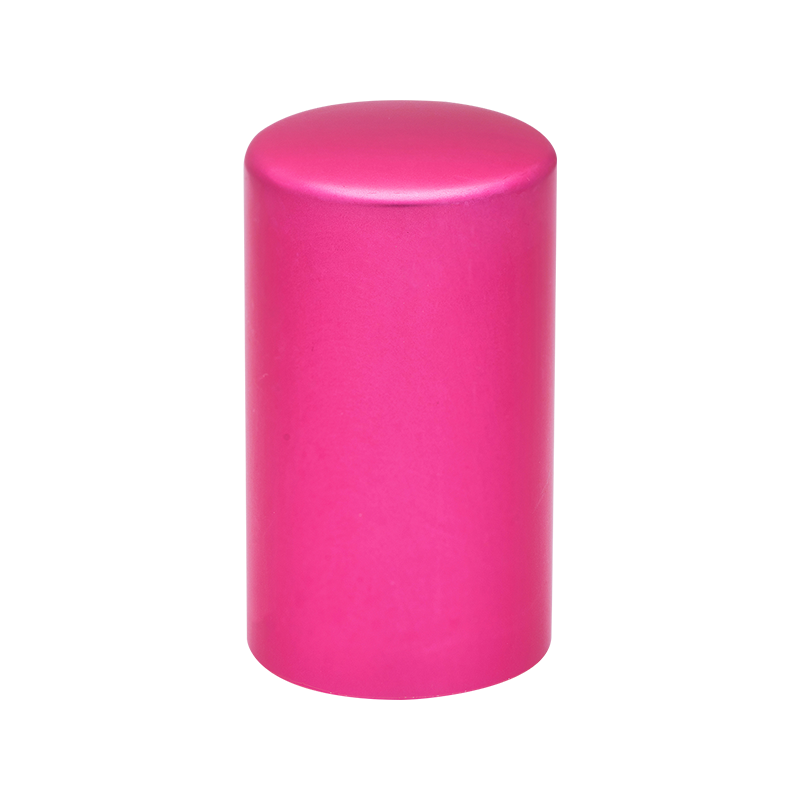 XY-LZ-18.6*32 Straight Perfume Bottle Aluminum Cap For Luxury Glass Fragrance Bottles, Minimalist Design
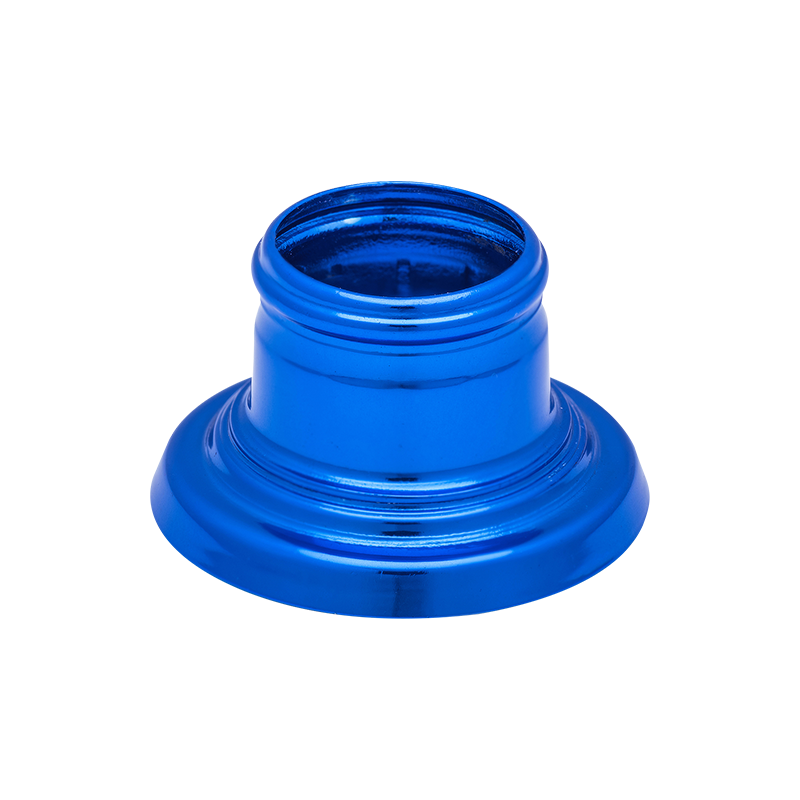 XY-ZT-DADB Custom Perfume Bottle Stepped Collar With Groove
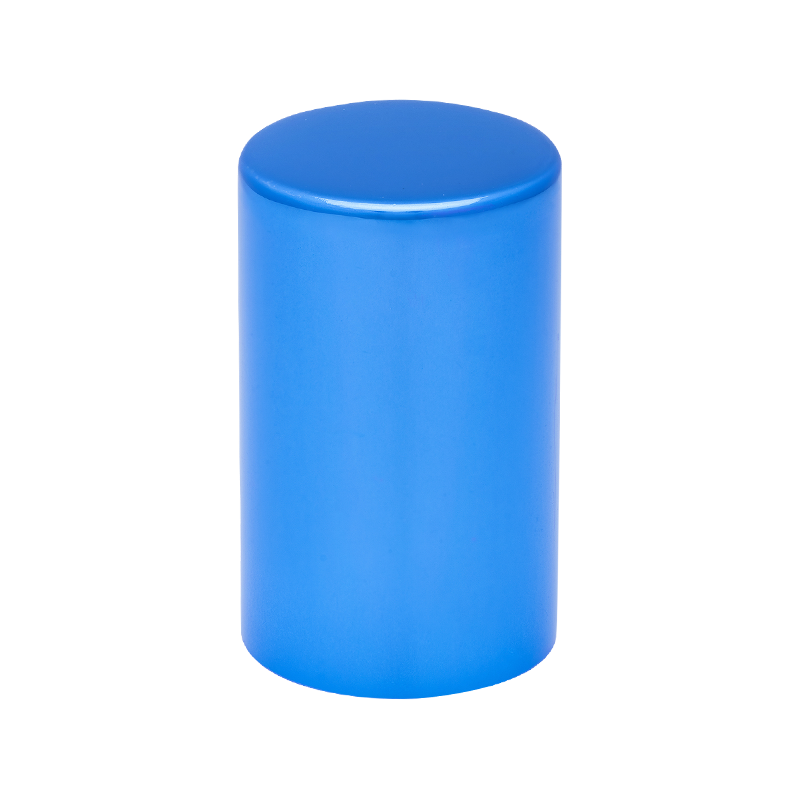 XY-LZ-20.6*34 Multiple Colors Straight Perfume Aluminum Cap/Lid For Fragrance, Essential Oil Bottle
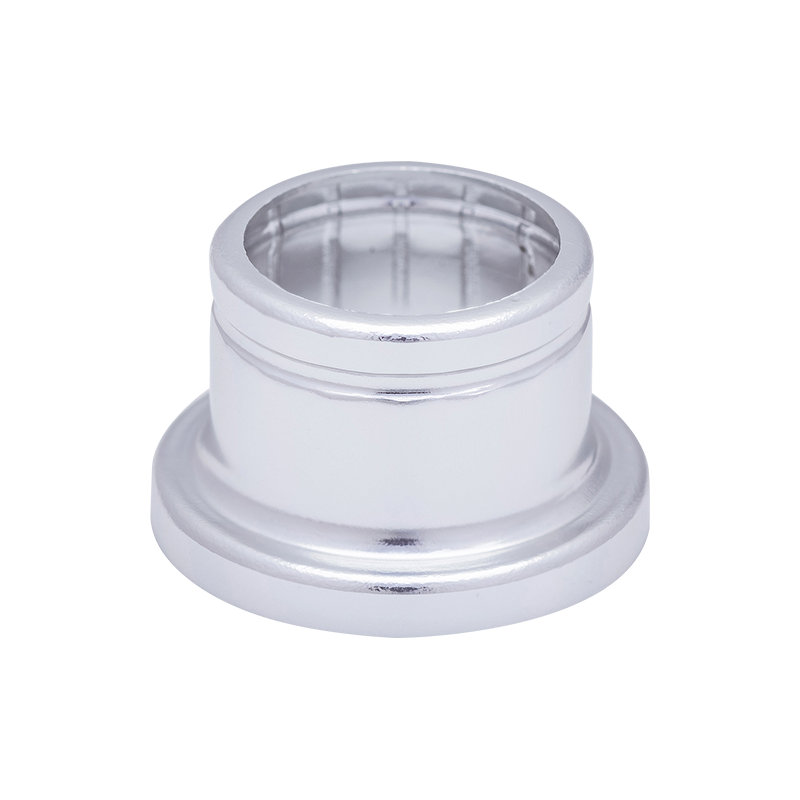 XY-ZT-17.3*14DBSNG Gold/Silver Perfume Cap Collar Aluminum Stepped Collar
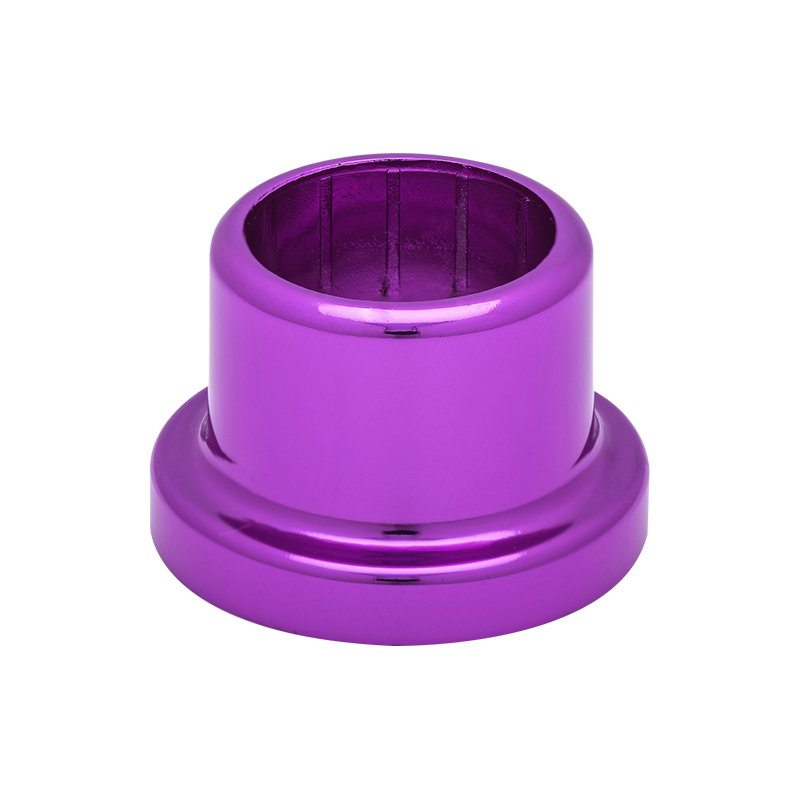 XY-ZT-17.05*15.6 22.8*4 Aluminum Cosmetic Perfume Collar With Step
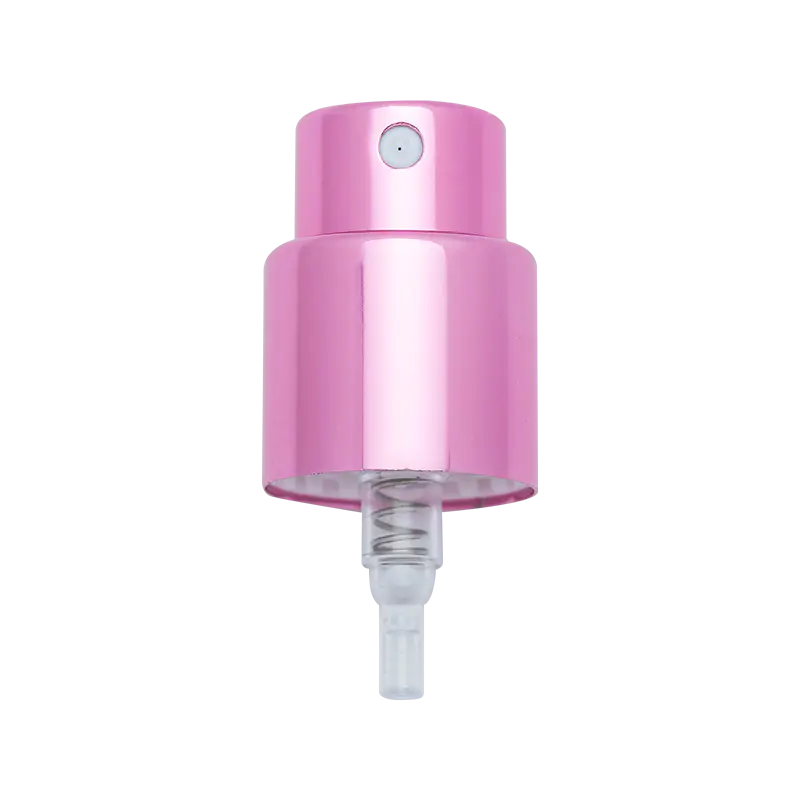 XY-LK-17/415 15mm Screw perfume fine mist pump sprayer OD17.2mm
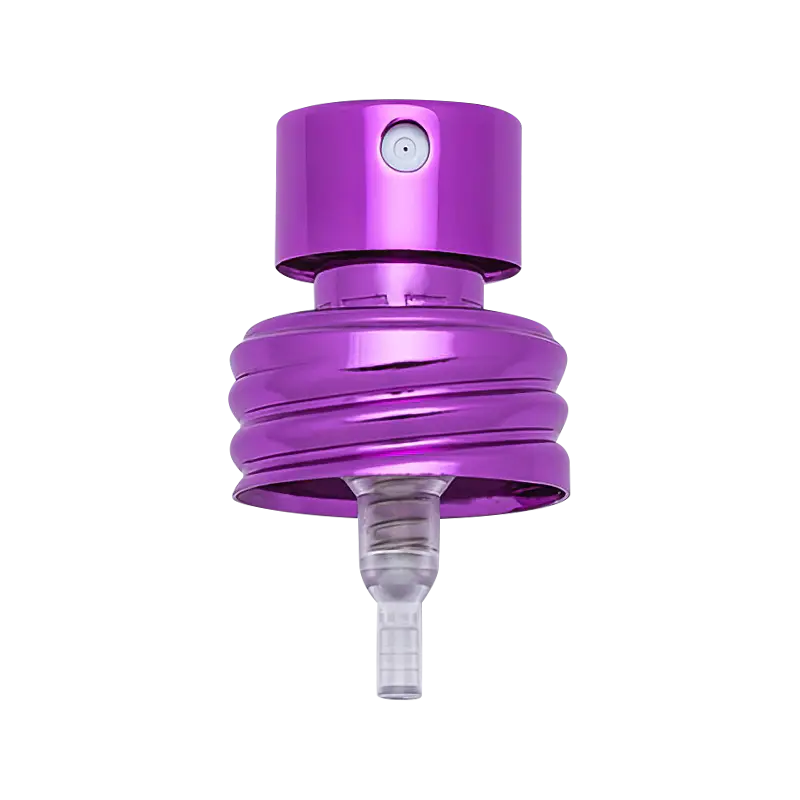 XY-LK-20.8CK 20mm Aluminum screw perfume fine mist pump sprayer OD20.8mm
Tel: +86-13812990918
Phone: +86-512-58962260
Address: No.3, Xiangqun Road, Leyu, Zhangjiagang.


 English
 русский
 Español
 عربى
 Português
