Article Directory
A fragrance brand approves a Pantone chip in a meeting room. Eight weeks later the same reference reads grey on one anodized shell, warmer on the next, and slightly off on the plastic actuator. Custom color on a perfume pump is not one decision; it is six part-level decisions that have to land on the same visual result.
A custom color perfume pump is an assembly of separately colored components, and each component reaches its final color through a different process. Aluminum is anodized or coated, plastic is molded in pre-compounded resin or sprayed, and elastomer parts normally stay at their natural color.
Definition. A custom color perfume pump is an assembly in which the visible aluminum shell, collar, cap, and plastic actuator are colored to one agreed reference, then accepted on a measured color difference under a stated light source instead of on visual judgement alone.
The practical consequence is straightforward: one reference has to be translated into several process targets before sampling starts.
| Component | Coloring route | Achievable range | Main risk |
| Aluminum shell and ferrule | Sulfuric anodizing with organic dye, then sealing | Solid mid-tone colors; saturated reds and deep blacks are harder | Shade drift as the dye bath ages |
| Aluminum collar or cap | Anodizing, spray coating, electrophoretic coating | Full Pantone range with coating, narrower with anodizing | Chipping at the crimp or assembly edge |
| Plastic actuator | Pre-compounded masterbatch, or spray coating | Wide range, but gloss differs from metal | Metamerism when the light source changes |
| Gasket and dip tube | Natural resin color | Limited | Not normally part of the color specification |
A controlled color development cycle takes five steps, and the feasibility screen is the one most often skipped. A project that books tooling before that screen usually pays for the shortcut in extra sample rounds.
Working tolerance. A Delta E00 of about 1.0 is the point where a trained observer starts to see a difference under controlled light. A Delta E00 of 2.0 or lower is a practical starting tolerance for opaque coatings. Anodized and metallic finishes need a wider value written into the specification, because dye uptake shifts with alloy grade and bath condition.
The finishing route decides the available color gamut before a single sample exists, and it also decides how that color survives alcohol contact, handling, and shipping abrasion. Changing the route later means restarting color development.
Anodizing deserves close attention because it is the route most custom pump projects end up using. The dye sits inside the oxide layer rather than on top of it, which is why anodized color has a depth that paint cannot reproduce. A closer explanation sits in this guide to how aluminum anodizing improves spray pump appearance and finishing quality.
| Process | How color is produced | Typical film range | Best fit |
| Sulfuric anodizing, Type II | Organic dye fills the pores, then the layer is sealed | 5 to 25 micrometres | Solid colors on shells and collars |
| Hard anodizing, Type III | Thicker oxide with a darker natural tone | 25 to 50 micrometres | Parts exposed to abrasion |
| Spray coating | Pigmented film over prepared metal | 15 to 40 micrometres | Exact Pantone matching across a wide palette |
| Electrophoretic coating | Pigment deposited by electric current | Thin and uniform | Complex geometry needing even coverage |
| Electroplating | Metal deposit in gold or silver tone | Thin | Metallic effects from a limited palette |
 Custom Aluminum Perfume Bottle Collar for Pump ClosuresCustom aluminum collar for perfume and cosmetic bottles, with anodizing and other finishes, profile and neck-size options, and crimp or screw pump compatibility.View Product →
Bulk color drift comes from four controllable sources: alloy grade, dye bath age, surface preparation, and the measurement method itself. Each one is manageable when the specification names it, and unmanageable when it does not.
Alloy grade is the first variable. Aluminum 6061 and 6063 respond differently to the same dye bath because of their alloying elements and grain structure, so a color approved on one grade is not automatically valid on the other. The drawing has to state the grade.
Dye bath age is the second. Dye concentration, pH, temperature, and contamination all move the shade across a production run, which is why a retained standard from the approved sample matters more than the original chip.
Surface preparation is the third. A polished shell and a brushed shell of the same alloy take the same dye to visibly different results, because the substrate texture changes how light leaves the surface.
 FEA15 Crimp Spray Pump for Perfume BottlesA sealed 15 mm crimp spray pump for perfume and liquid bottles, offered in four actuator heights and compatible with metal or plastic caps.View Product →
Six tests cover nearly every custom color dispute on perfume pumps: color difference, film adhesion, corrosion, chemical resistance, film thickness, and abrasion.
Write the method and the acceptance value, not only the test name. A line that says salt spray tested cannot be enforced; a line that names ISO 9227, 48 hours, and no base metal corrosion on the visible surface can be.
Custom color adds cost in three places: sample rounds, bath changeover, and post-production sorting. It rarely adds cost in the raw material itself.
MOQ on anodized parts is usually set by the smallest batch the dye bath can hold at a stable concentration, not by the pump assembly. Lead time follows the same logic: sample rounds first, then bath scheduling, then finishing and inspection. A buyer working to a fixed retail date should book the color approval before the bottle tooling, not after it.
 Custom Aluminum Perfume Bottle Cap with Finish OptionsCustomizable aluminum cap for perfume and cosmetic bottles, offering sealing, anti-counterfeiting protection, and finish options such as anodizing, printing, UV coating, and hot stamping.View Product →
No. Anodizing dyes cover a narrower gamut than paint. Bright saturated reds, some blues, and very light pastels are difficult or impossible to hold on Type II sulfuric anodizing. A finisher should say so during the feasibility screen, not after two sample rounds.
Start at Delta E00 of 2.0 for opaque coatings and agree a wider value for anodized or metallic finishes. Name the instrument, the D65 illuminant, the aperture, and the exact measured area, because a Delta E value without measurement conditions cannot be enforced.
Yes. 6061 and 6063 aluminum respond differently to the same dye bath, so a color approved on one grade is not automatically valid on the other. Lock the alloy grade and the surface preparation into the drawing.
Two rounds for a coating match and three for an anodized match is a realistic planning figure. Each round should produce a measured plaque as well as a finished part, so approval rests on numbers rather than on how a photograph renders on a screen.
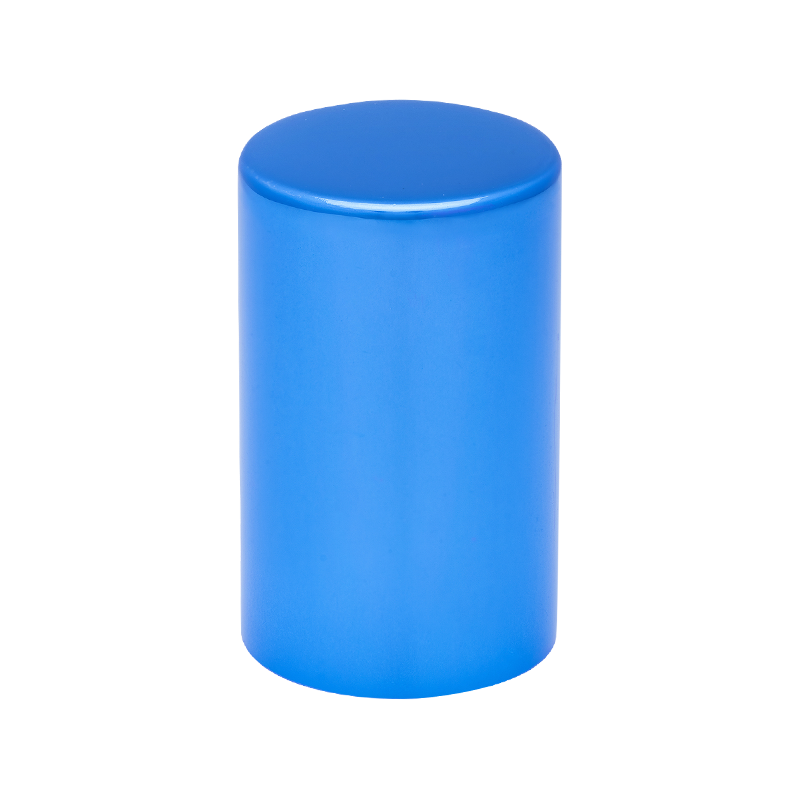 XY-LZ-20.6*34 Multiple Colors Straight Perfume Aluminum Cap/Lid For Fragrance, Essential Oil Bottle
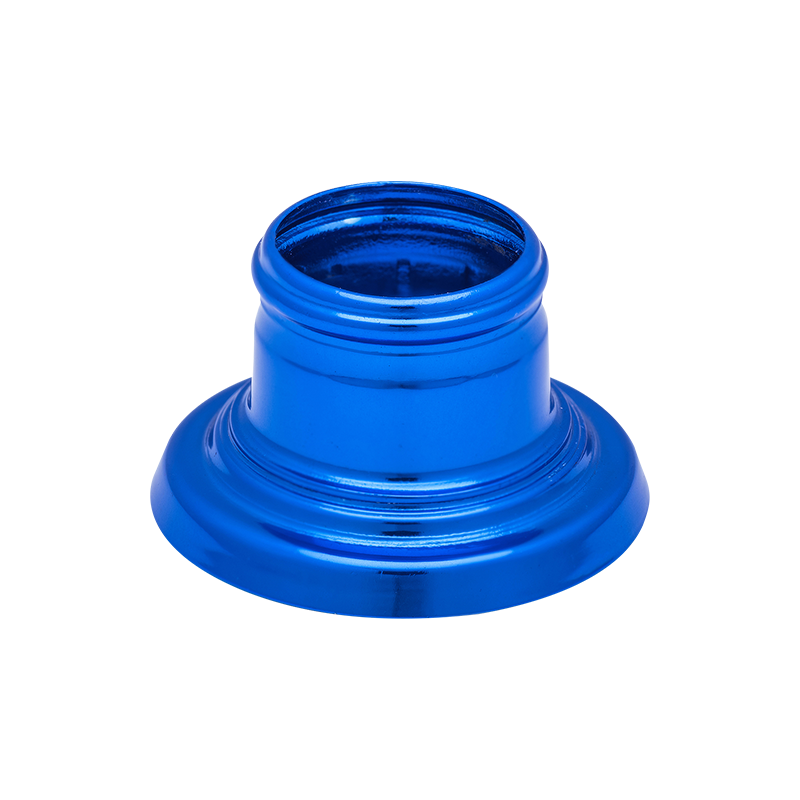 XY-ZT-DADB Custom Perfume Bottle Stepped Collar With Groove
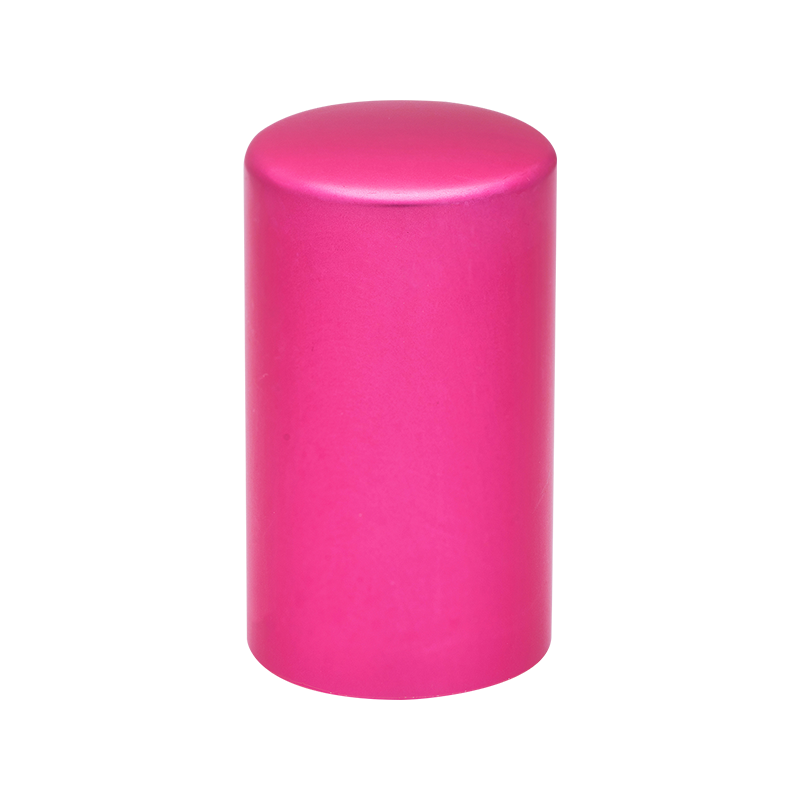 XY-LZ-18.6*32 Straight Perfume Bottle Aluminum Cap For Luxury Glass Fragrance Bottles, Minimalist Design
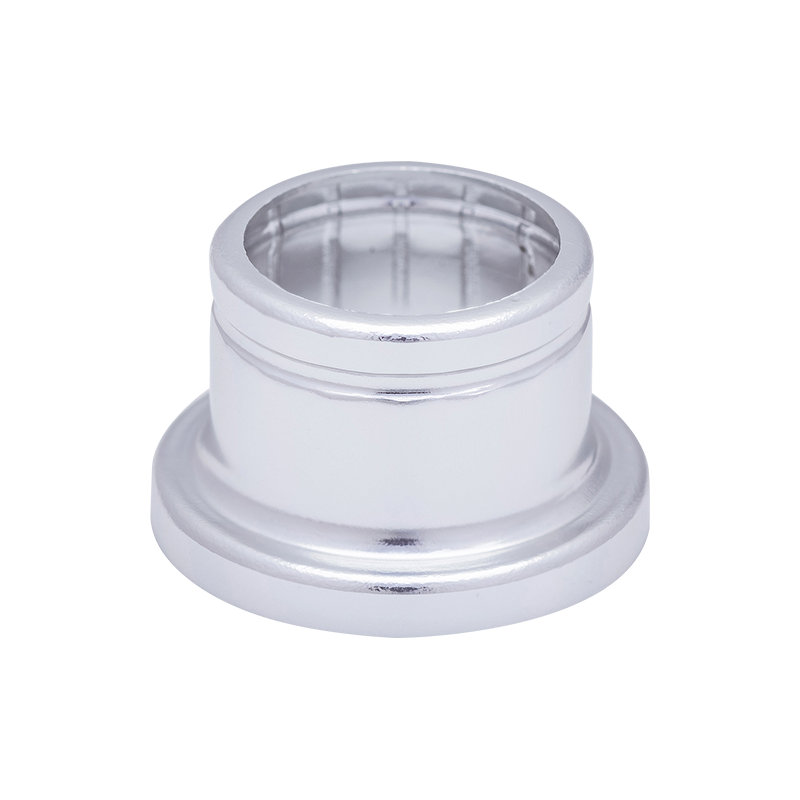 XY-ZT-17.3*14DBSNG Gold/Silver Perfume Cap Collar Aluminum Stepped Collar
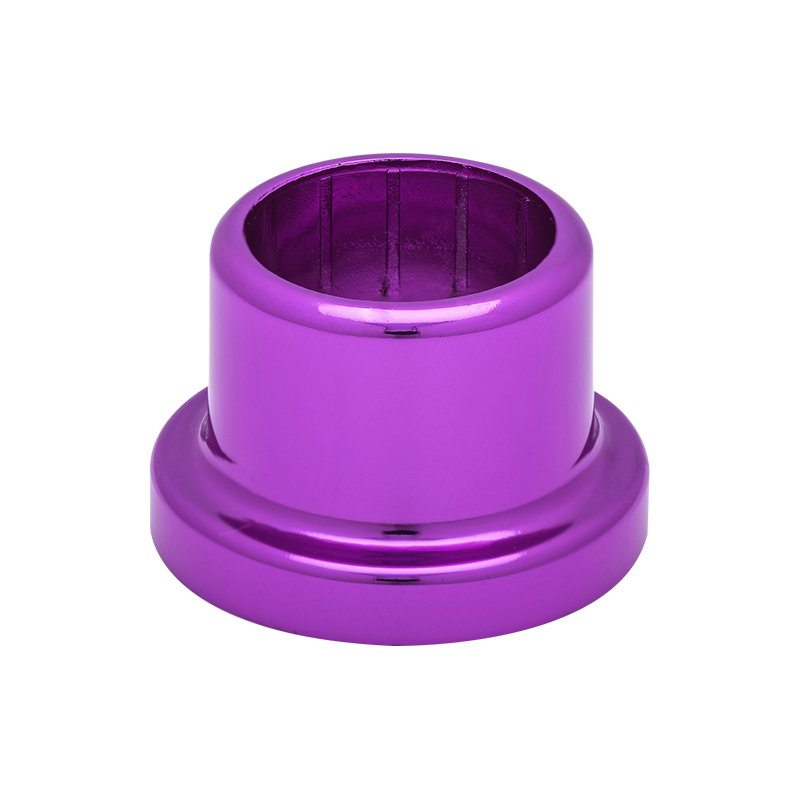 XY-ZT-17.05*15.6 22.8*4 Aluminum Cosmetic Perfume Collar With Step
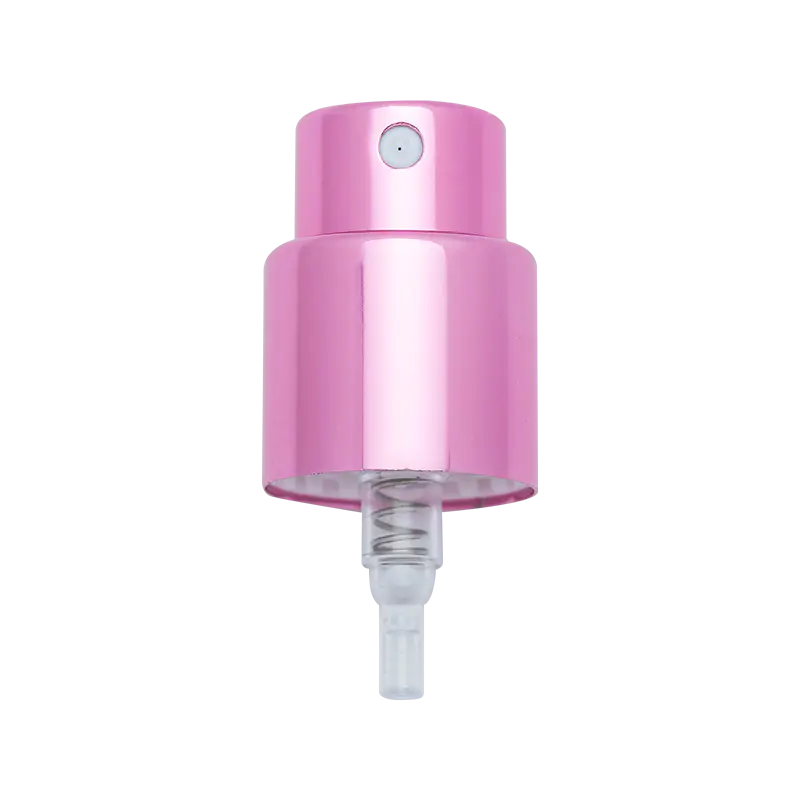 XY-LK-17/415 15mm Screw perfume fine mist pump sprayer OD17.2mm
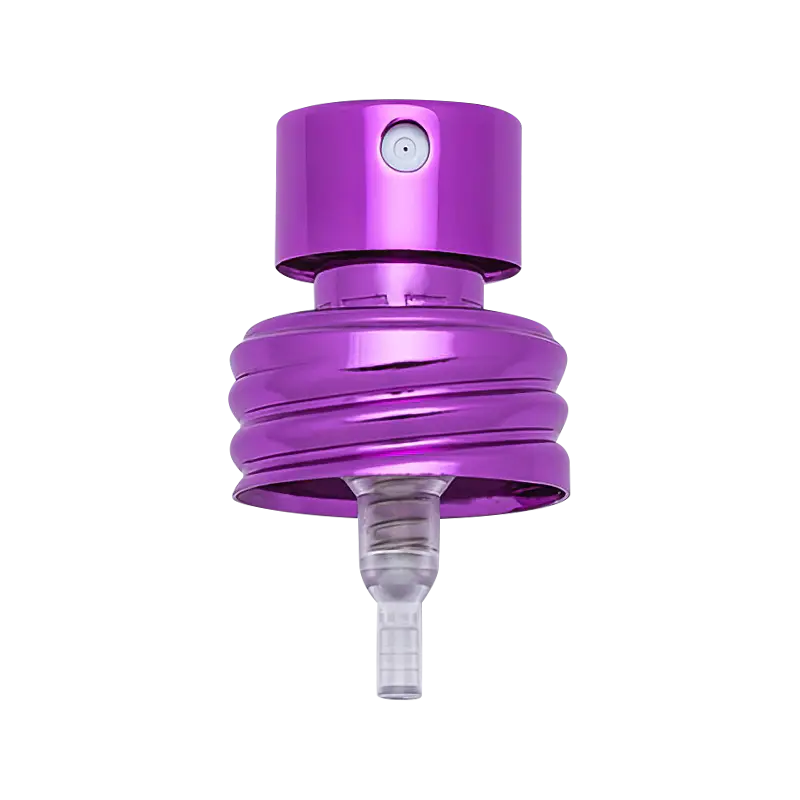 XY-LK-20.8CK 20mm Aluminum screw perfume fine mist pump sprayer OD20.8mm
Tel: +86-13812990918
Phone: +86-512-58962260
Address: No.3, Xiangqun Road, Leyu, Zhangjiagang.


 English
 русский
 Español
 عربى
 Português
