Article Directory
A 15 percent fragrance concentrate in perfumery-grade ethanol reaches the pump gasket within minutes of filling. That gasket, the dip tube below it and the spring behind it decide whether the bottle still delivers an even mist at week 12, or reaches the shelf with a swollen seal and a stiff actuator.
Fine fragrance is one of the harder packaging assignments in cosmetics. Perfumery-grade ethanol is commonly supplied at 95 to 96 percent v/v and makes up most of the fill, so every wetted part of the pump sits in solvent for the life of the product. Fragrance oils add a second chemistry on top: esters, aldehydes and citrus terpenes that change how polymers behave in ways ethanol alone does not predict.
Pump datasheets list neck size, dosage and spray pattern. They rarely name the elastomer in the gasket or the resin grade in the housing, and that gap is where alcohol-based formulations fail.
A fine mist spray pump exposes five material groups to the fragrance: the dip tube, the pump body and chamber, the gasket or sealing ring, the return spring, and the stem and actuator assembly. On a crimped pack, the ferrule and the aluminum collar sit outside the liquid path, but ethanol reaches them by wicking at the crimp joint and by spillage during filling.
| Material | Typical parts | Behaviour in ethanol-rich fragrance | What to specify |
| Polypropylene (PP) | Body, chamber, stem, actuator | Low swelling in ethanol; the real cracking risk comes from fragrance oils at high load | Homopolymer grade with a food-contact declaration |
| Polyethylene (LDPE, HDPE) | Dip tube, some gasket designs | Chemically quiet and flexible; softens as aroma load rises | Grade confirmed for the dip tube length and neck size |
| Polyoxymethylene (POM) | Ball, spring retainer, some stems | Dimensionally stable in alcohol; hydrolysis risk when the formula carries free water | Water content of the concentrate declared in the brief |
| Stainless steel 304 or 316 | Return spring | 304 is routine for anhydrous ethanol; 316 where water or chlorides appear | Grade, wire diameter and passivation stated |
| Elastomer: EPDM, silicone, nitrile or TPE | Gasket and sealing ring | Swelling, compression set and extraction start here | Compound family, hardness in Shore A, supplier name |
The first four rows are usually settled by default. The gasket is the row that changes between suppliers, and it is the row most purchase orders leave blank.
The gasket is the only wetted part that must deform to seal, which is exactly why it changes shape first. An elastomer absorbs solvent, swells, and after a few weeks under crimp force takes a permanent compression set. Once that happens the seal load drops and the pump path opens, so the symptom shows up as seepage at the ferrule rather than as a visible crack.
Material compatibility in a spray pump means every wetted part keeps its dimensions, sealing force and mechanical strength through the declared shelf life, while releasing nothing into the fragrance that shifts colour, clarity or scent.
Polymer side
PP and PE resist ethanol well and rarely fail on alcohol alone. Their risk is stress cracking from concentrated fragrance oils and from mechanical stress at the actuator and collar seat.
Elastomer side
EPDM and silicone are the common starting points for high-ethanol formulas. Nitrile stays widely used but swells more as aroma load rises, and TPE grades vary enough that the grade name matters.
Silicone is often chosen for its wide chemical tolerance, while EPDM is frequently preferred where a firmer seal is needed. Neither is universally better; the decision belongs to a test on the finished concentrate, not to a generic resistance chart.
Most incompatibility shows up as a measurable change in performance weeks before a bottle visibly fails, which is why a pass-or-fail judgement made by eye at the filling line proves nothing.
The formula, not the alcohol percentage alone, sets the material choice. Fine fragrance concentrates commonly run 10 to 25 percent fragrance oil by weight, and the balance of that oil mix moves the decision more than the ethanol figure does.
| Variable | Effect on the pump | Material response |
| Ethanol at 75 to 95 percent v/v | Swelling and extraction in the gasket | Move to EPDM or silicone, then verify by immersion test |
| Free water above trace level | Hydrolytic attack on POM, staining of 304 steel | Specify a 316 spring and a water-tolerant elastomer |
| Fragrance oil load of 10 to 25 percent | Stress cracking in PP, softening in some TPE seals | Run a stress crack test on the concentrate, not on ethanol |
| Citrus and aldehyde top notes | Lower pH accelerates metal attack at the spring | Passivated 316, no exposed carbon steel in the assembly |
| Dyed or lacquered aluminum parts | Colour migration into the juice at the crimp edge | Sealed anodizing plus a colour-fastness check |
| Fill and storage temperature | Reaction rate roughly doubles per 10 C, a standard rule of thumb | Add a 40 C condition to the aging plan |
Anodized aluminum normally stays outside the liquid path, but ethanol reaches it through wicking at the crimp joint and through spillage during filling, and that is where finish quality decides the outcome. A Type II sulfuric anodized layer, commonly specified in the 5 to 15 micrometre range for decorative perfume parts, gives a barrier that resists ethanol contact when it is properly sealed.
Unsealed anodizing leaves open pores, and organic dyes in coloured finishes can migrate into a fragrance that sits against the crimp edge. Lacquered finishes add a second risk: solvent can lift the film at the point where the ferrule bites into the collar. Buyers specifying an anodized aluminum straight collar should ask for the sealing method, the layer thickness and a colour-fastness result in the actual fragrance, not in water.
A pump that passes on 96 percent ethanol can still fail on your concentrate, so any compatibility programme has to run on the production-intent fragrance at the production fill volume. The protocol below uses four fixed parameters so results stay comparable between pump models and between suppliers.
Immersion testing to gasket and dip tube chemical resistance methods tells you what the compound does in isolation; the filled-bottle test tells you what the assembled pack does. Run both, and keep the retained samples labelled by batch for the whole programme.
A purchase order that names only neck size and dosage leaves the compatibility decision to the supplier's default bill of materials. State the material requirements in writing and the question is answered before sampling starts.
 FEA15 Crimp Spray Pump for Perfume BottlesA sealed 15 mm crimp pump in four actuator heights, offered with in-house aluminum collar and cap production for complete closure material declarations.View Product →
 18/415 Screw Fine-Mist Pump for PerfumeA precision 18 mm screw pump with PP body and stainless steel spring, suited to bottles when material requirements are specified before sampling.View Product →
Zhangjiagang XinYe Chemical Sprayer Co., Ltd. builds crimp, crimpless and screw pumps with aluminum collars and caps in-house, which matters here: when the pump, ferrule and collar come from one production chain, the material declaration covers the whole closure rather than one part of it.
A pump that passes on pure ethanol can still fail on your concentrate. Test the formula, or the material choice stays a guess.
It needs a declared elastomer and a tested gasket, not a different pump architecture. A polypropylene body, polyethylene dip tube and 304 stainless spring are routine for ethanol-based fine fragrance; the gasket compound is the variable that decides whether the pack holds its seal at week 12.
No. EPDM generally shows the lower swelling profile in high-ethanol fills, while nitrile can be more tolerant of certain fragrance oil mixes. Select on an immersion test to ASTM D471 in your own concentrate, and treat any resistance chart as a shortlist rather than an answer.
Twelve weeks at 40 C covers most shelf-life claims for fine fragrance, provided it runs alongside 4 weeks at ambient as a baseline and three freeze-thaw cycles between -10 C and 40 C. Write pass limits before the first bottle is filled, and keep 30 units per cell so destructive checks do not consume the sample.
It happens more often than buyers expect, and a compound swap can change seal performance without changing any drawing. Put change notification and re-qualification in the supply agreement, and audit against the retained samples at each delivery.
The rule that survives every formula change is simple: the gasket and the anodized finish are the two places where alcohol-based fragrance exposes a weak material choice first. Specify both, then prove both on the finished juice.
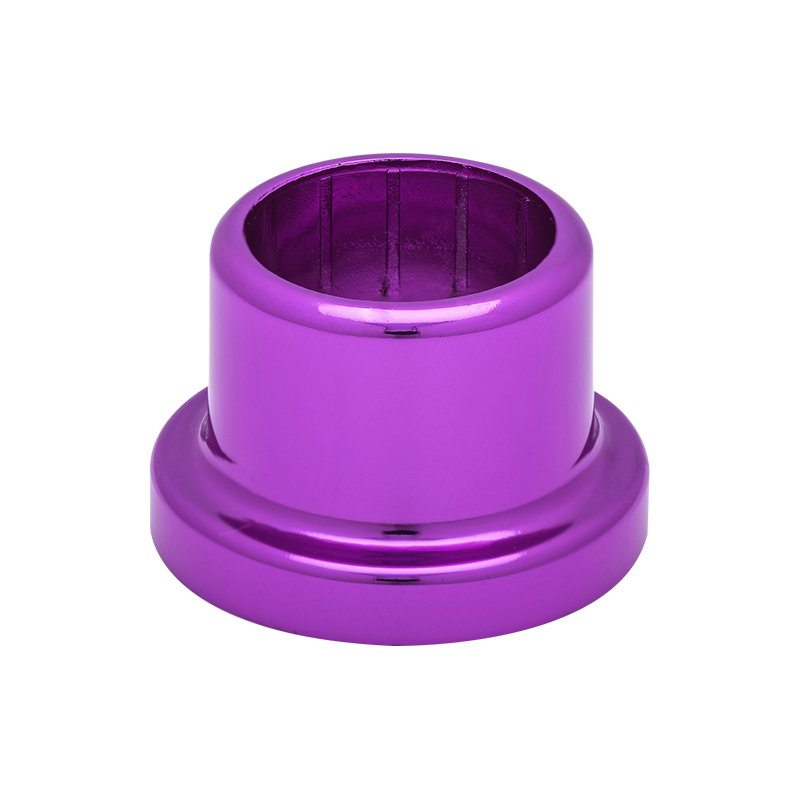 XY-ZT-17.05*15.6 22.8*4 Aluminum Cosmetic Perfume Collar With Step
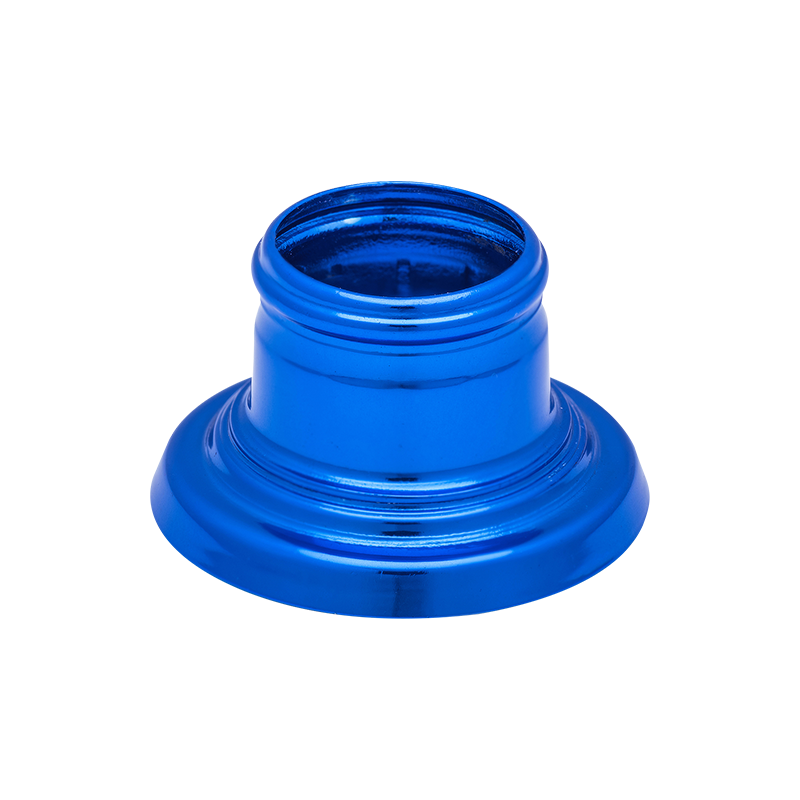 XY-ZT-DADB Custom Perfume Bottle Stepped Collar With Groove
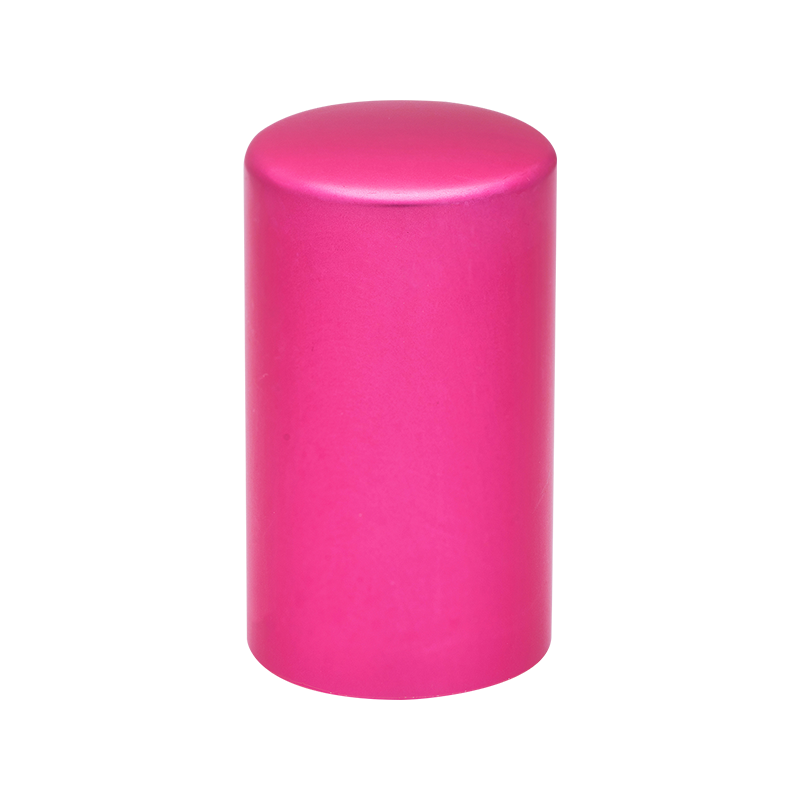 XY-LZ-18.6*32 Straight Perfume Bottle Aluminum Cap For Luxury Glass Fragrance Bottles, Minimalist Design
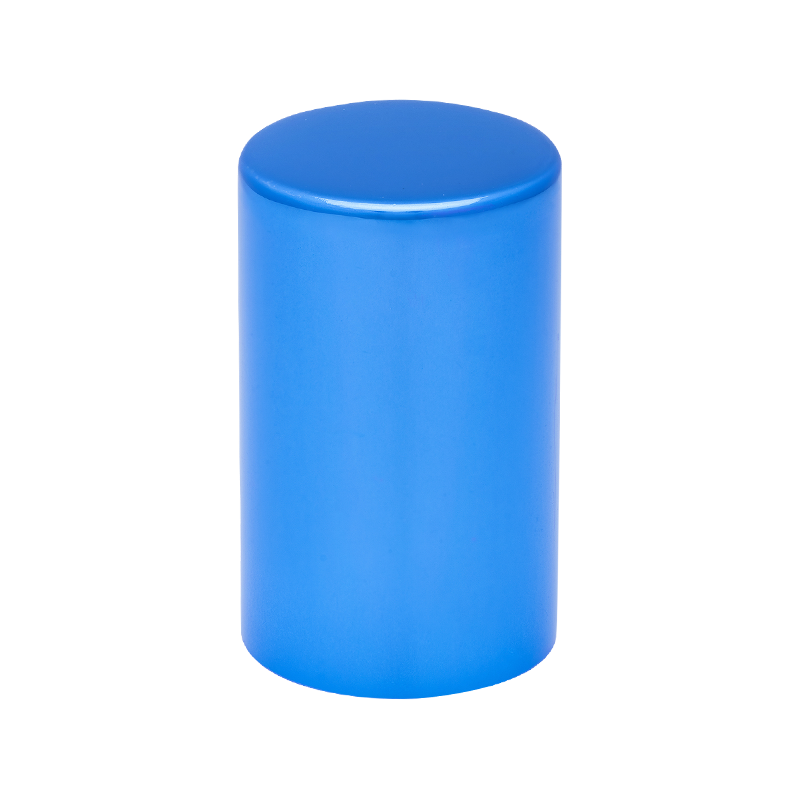 XY-LZ-20.6*34 Multiple Colors Straight Perfume Aluminum Cap/Lid For Fragrance, Essential Oil Bottle
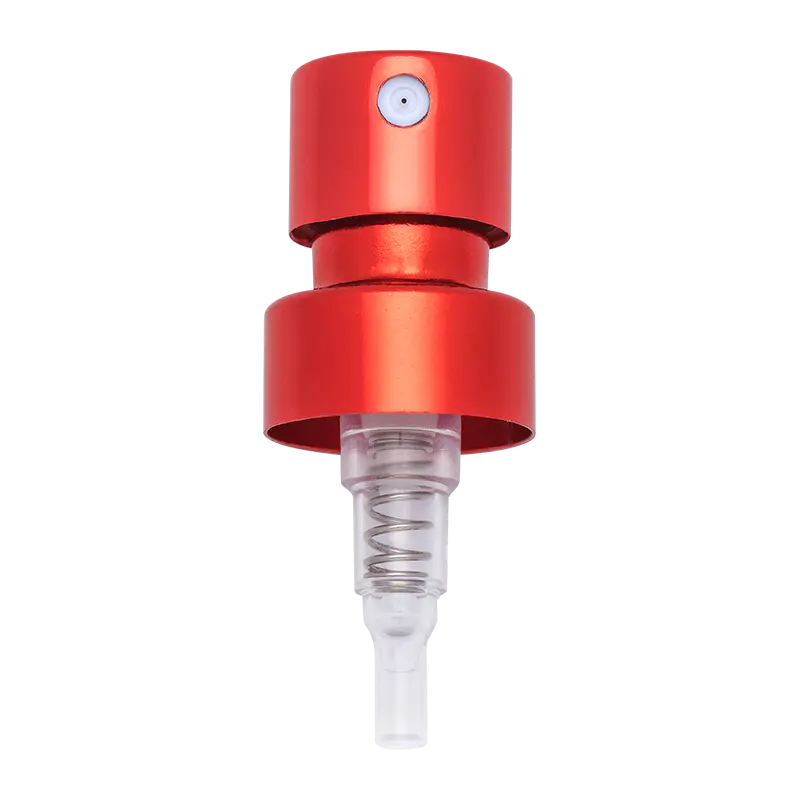 XY-PT-⊘13AB 13mm Crimp perfume fine mist pump sprayer short type
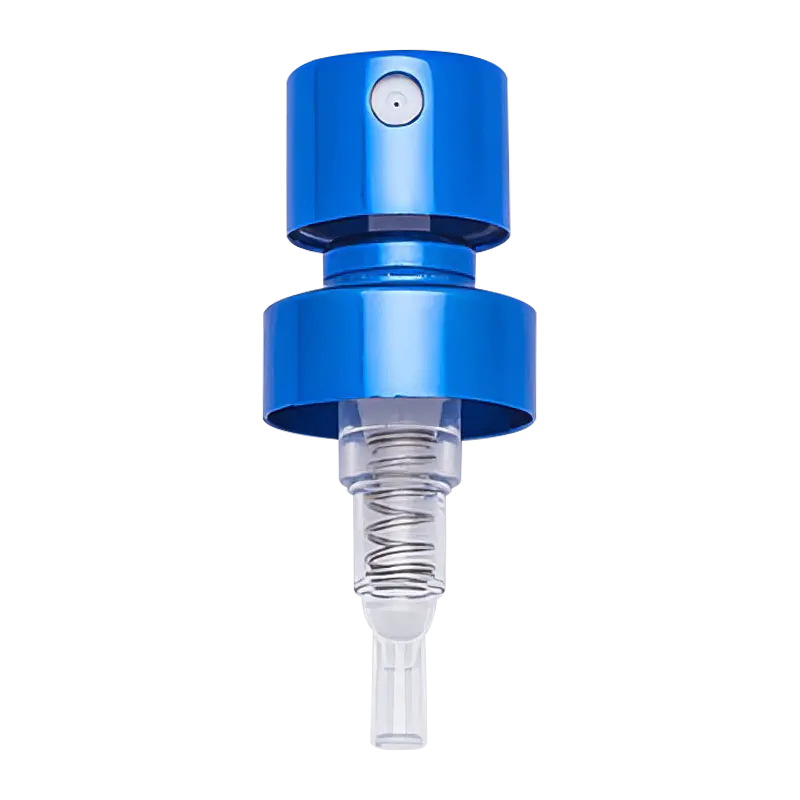 XY-PT-⊘13CAMG 13mm Crimp perfume fine mist pump sprayer shorter type
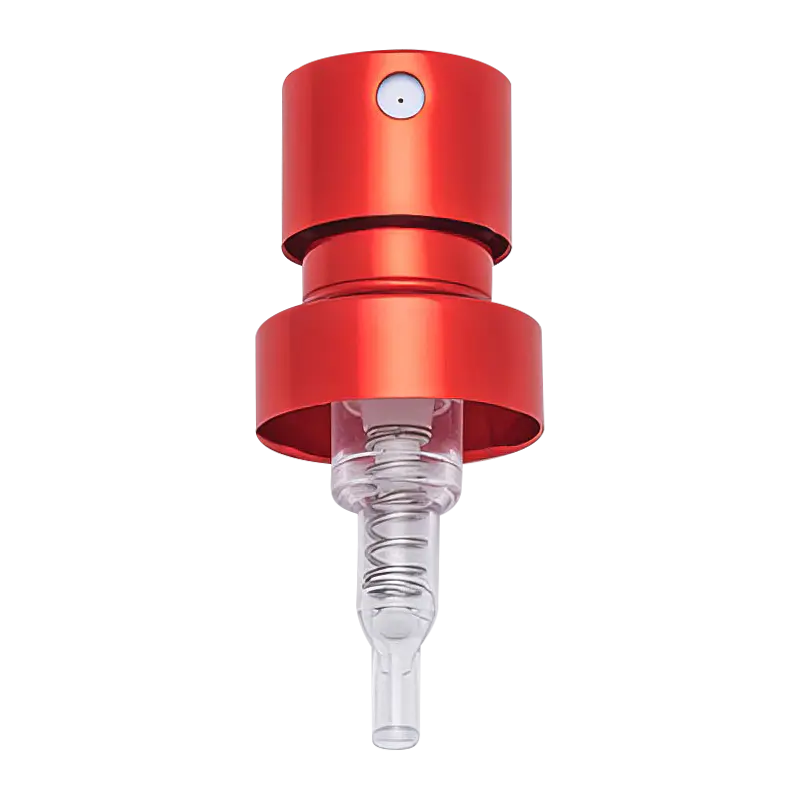 XY-PT-⊘15JDGB 15mm Crimp perfume fine mist pump sprayer high type
Tel: +86-13812990918
Phone: +86-512-58962260
Address: No.3, Xiangqun Road, Leyu, Zhangjiagang.


 English
 русский
 Español
 عربى
 Português
