Article Directory
The straight perfume aluminum cap is the most widely used closure in prestige fragrance packaging. Its clean cylindrical silhouette, lightweight durability, and broad compatibility with standard perfume bottle necks make it the go-to choice for both mass-market and luxury perfume brands. If you need a cap that balances aesthetics, protection, and cost-efficiency, the straight aluminum cap delivers on all three without compromise.
A straight perfume aluminum cap is a cylindrical closure manufactured from aluminum alloy (typically AL1070 or AL6061), featuring uniform wall thickness and a flat or slightly recessed top. Unlike tapered or dome-shaped caps, the straight profile offers a flush, architectural look that pairs naturally with rectangular, round, and angular bottle forms.
These caps are produced via deep drawing or extrusion and then finished through a range of surface treatments. The interior is fitted with a PE or PP liner to ensure an airtight seal against the collar of the perfume bottle or the fitment neck.
Understanding dimensional standards helps buyers match caps to existing bottle tooling without costly re-engineering. The table below summarizes the most common industry specifications:
| Parameter | Standard Range | Custom Range |
|---|---|---|
| Outer Diameter | 15 mm – 35 mm | 10 mm – 60 mm |
| Cap Height | 20 mm – 55 mm | 15 mm – 80 mm |
| Wall Thickness | 0.5 mm – 1.0 mm | 0.4 mm – 1.5 mm |
| Inner Liner Material | PE / PP | TPE, silicone |
| Neck Fit (FEA) | FEA 15 / FEA 18 | Custom bore |
| Weight per piece | 2 g – 8 g | 1 g – 15 g |
| MOQ (standard finish) | 5,000 pcs | 500 pcs (small-batch) |
FEA 15 and FEA 18 are the two dominant international neck standards in prestige perfumery. FEA 15 is used by the majority of European fashion houses, while FEA 18 is common across Middle Eastern and Asian markets. Confirming neck standard before ordering prevents stock incompatibility.
Surface finish is the single biggest visual differentiator between aluminum caps that cost $0.08 per piece and those that cost $0.45. The finish communicates price point before the consumer reads the label.
Buyers frequently evaluate straight caps against tapered and dome caps. Each has a distinct use case:
| Cap Profile | Visual Character | Best Suited For | Relative Cost |
|---|---|---|---|
| Straight (cylindrical) | Clean, architectural, modern | Minimalist, unisex, luxury brands | Medium |
| Tapered | Elegant, slightly feminine | Women's eau de parfum, floral lines | Medium-High |
| Dome / Round Top | Soft, classic, approachable | Mainstream retail, body mists | Low-Medium |
| Flat Disc / Low-Profile | Contemporary, sleek, compact | Travel-size, refillable atomizers | Low |
The straight profile wins on versatility. Its geometry works with glass bottles that have sharp shoulders as well as rounded ones, whereas tapered caps can visually clash with boxy bottle forms.
Aluminum, plastic (ABS/acrylic), and zinc alloy (Zamac) are the three primary cap materials. Each has trade-offs in weight, feel, cost, and sustainability:
Not all aluminum caps are manufactured to the same tolerance. The following checkpoints should be included in any pre-shipment QC protocol:
For brands developing a custom straight perfume aluminum cap, the typical development timeline looks like this:
| Stage | Activity | Typical Duration |
|---|---|---|
| Brief submission | Dimensions, finish, neck spec, MOQ, target cost | Day 1 |
| Engineering sample | 3D drawing confirmation, unfinished prototype | 7–10 days |
| Finish sample | Color-matched, surface-treated sample for approval | 10–14 days |
| Pre-production sample | Full production tooling, final QC sign-off | 14–21 days |
| Mass production | Full run, inline QC, packing | 20–35 days |
Brands that supply Pantone color references and FEA neck specifications upfront reduce total development time by an average of 8–12 days, as back-and-forth clarification is the main cause of delays in early stages.
Aluminum's recyclability is increasingly a procurement criterion, especially for brands targeting EU markets under the European Green Deal framework. Key data points to communicate to sustainability teams:
The straight perfume aluminum cap earns its dominant market position through a combination of design neutrality, material performance, and manufacturing scalability. Whether you are developing a new luxury fragrance line or sourcing replacement closures for an existing product, prioritize neck standard compatibility, surface finish durability, and supplier QC capability above unit price alone. A cap that fails on-shelf or during filling-line assembly costs far more to replace than the margin saved at the sourcing stage.
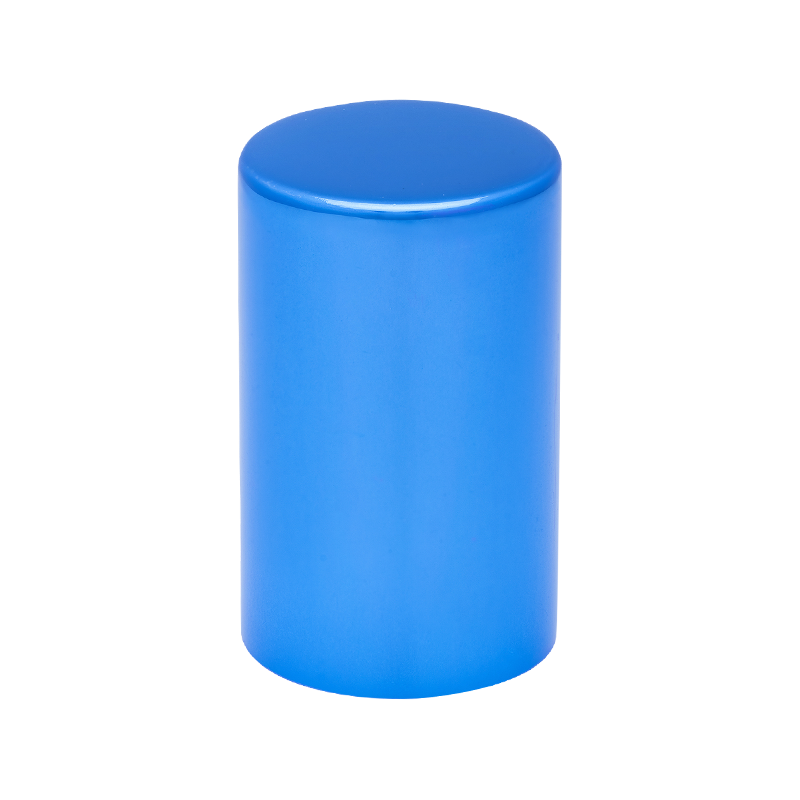 XY-LZ-20.6*34 Multiple Colors Straight Perfume Aluminum Cap/Lid For Fragrance, Essential Oil Bottle
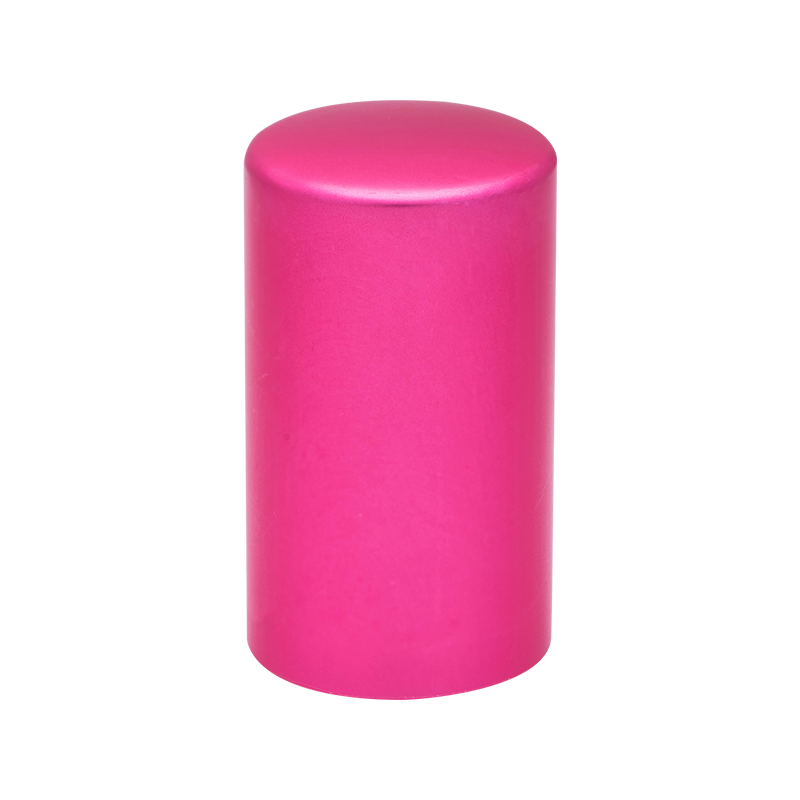 XY-LZ-18.6*32 Straight Perfume Bottle Aluminum Cap For Luxury Glass Fragrance Bottles, Minimalist Design
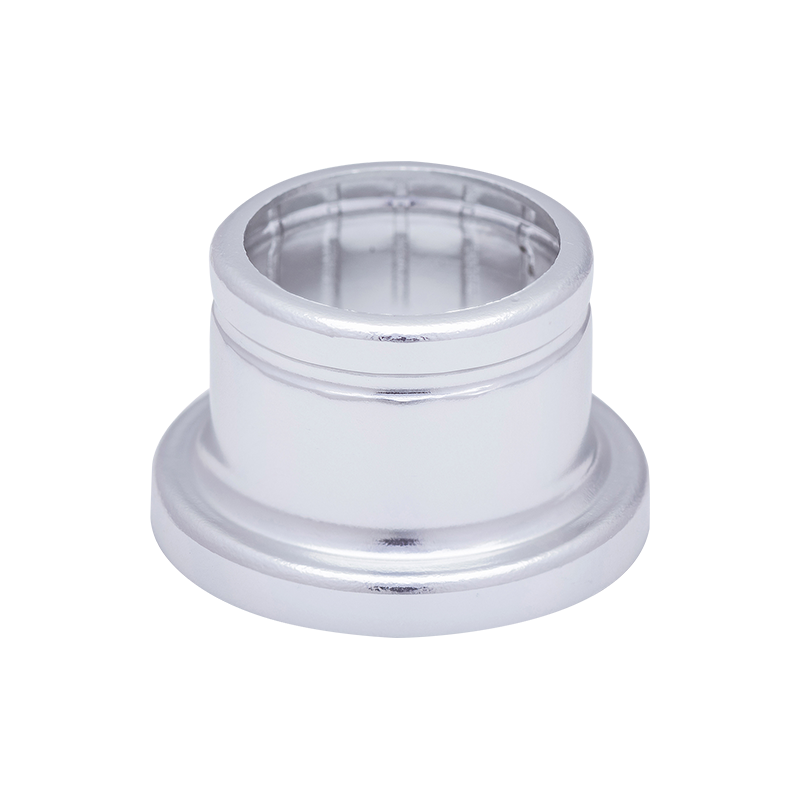 XY-ZT-17.3*14DBSNG Gold/Silver Perfume Cap Collar Aluminum Stepped Collar
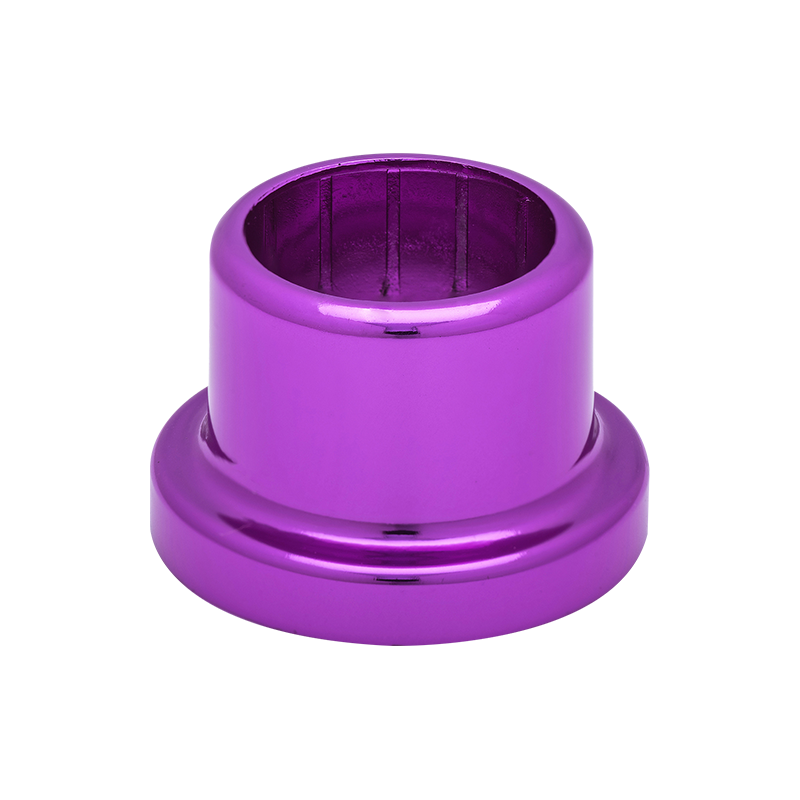 XY-ZT-17.05*15.6 22.8*4 Aluminum Cosmetic Perfume Collar With Step
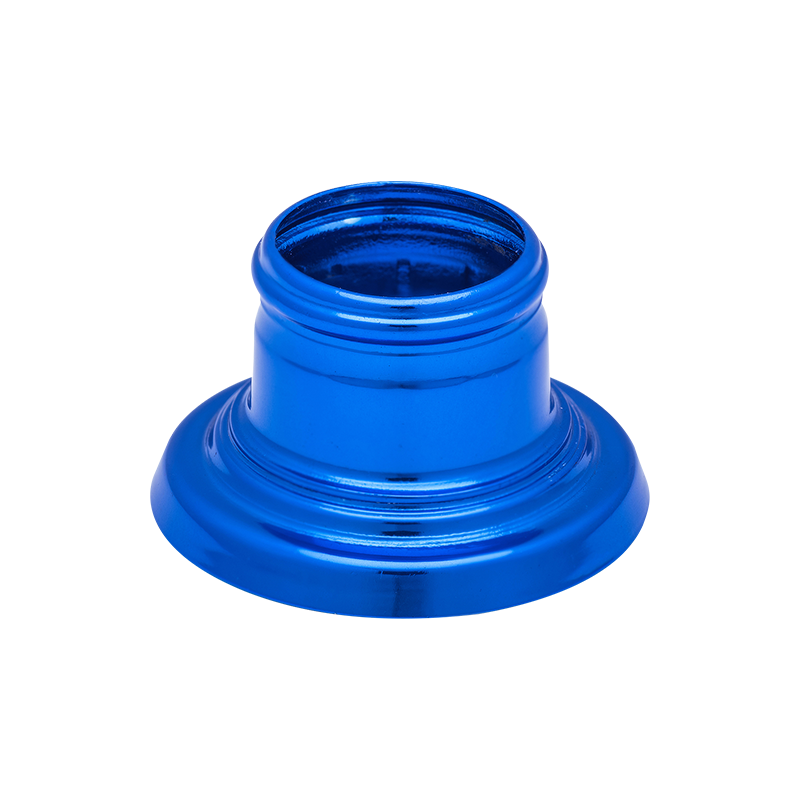 XY-ZT-DADB Custom Perfume Bottle Stepped Collar With Groove
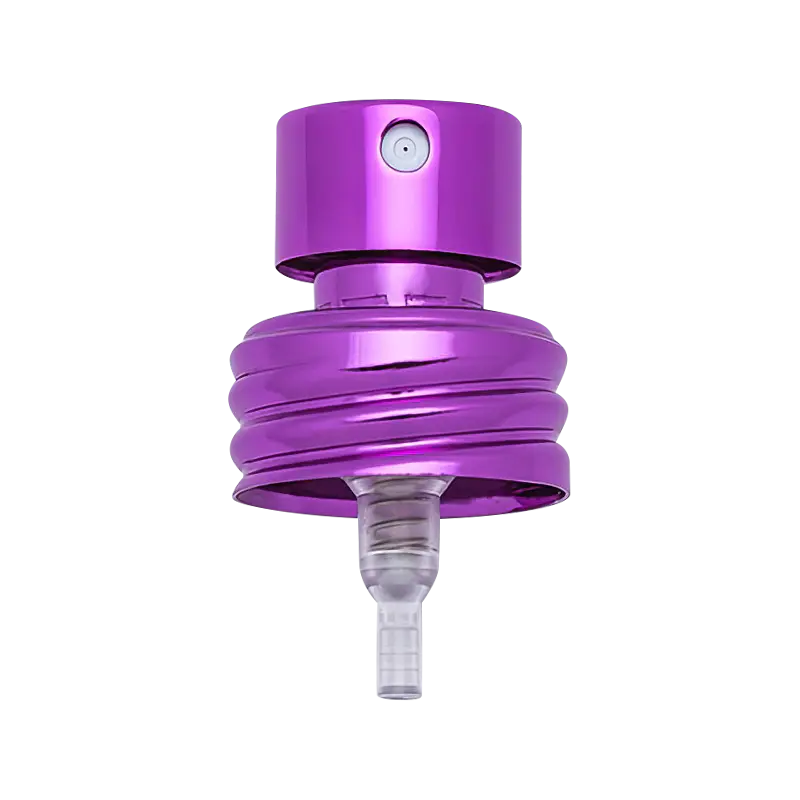 XY-LK-20.8CK 20mm Aluminum screw perfume fine mist pump sprayer OD20.8mm
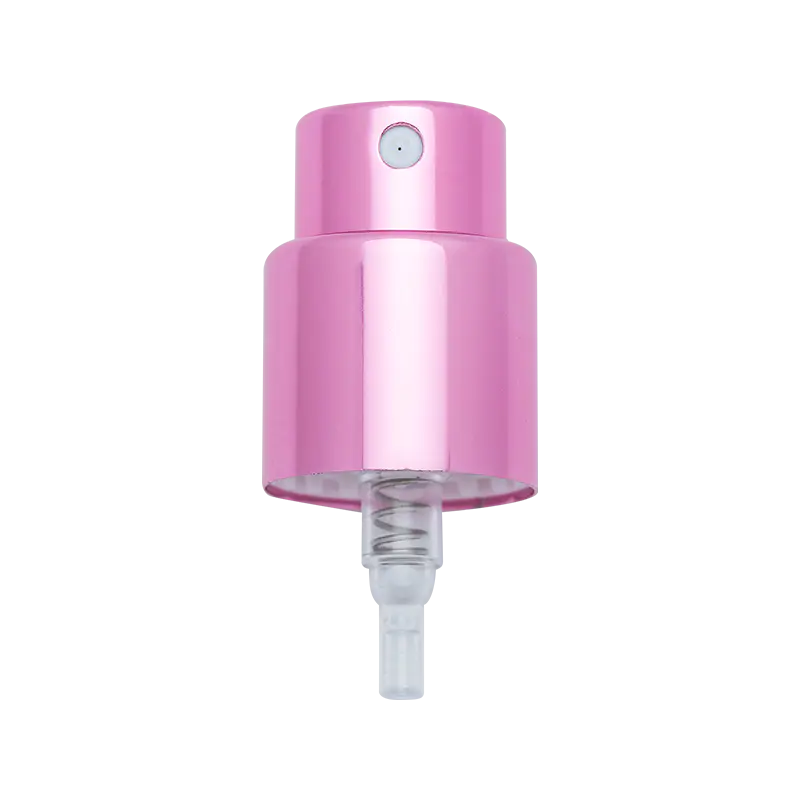 XY-LK-17/415 15mm Screw perfume fine mist pump sprayer OD17.2mm
Tel: +86-13812990918
Phone: +86-512-58962260
Address: No.3, Xiangqun Road, Leyu, Zhangjiagang.


 English
 русский
 Español
 عربى
عربى Português