Article Directory
A 50 ml eau de parfum bottle rated at a 0.07 ml dose per stroke changes its spray feel when stroke output drifts by 0.01 ml. That drift is rarely a formula problem or a component problem. It is an assembly problem, decided by how the ferrule is crimped, how the stem and gasket are seated, and how deep the dip tube sits in the bottle.
Automatic assembly improves perfume spray pump manufacturing consistency because it replaces operator judgement with measured force, measured stroke and measured depth on every unit, then records the result. A hand crimper reproduces a ferrule closure within roughly 0.10 to 0.15 mm; a servo crimp station on an indexed line is specified to hold the same dimension inside 0.05 mm, and it checks every part instead of every hundredth part.
Zhangjiagang XinYe Chemical Sprayer Co., Ltd. has organised production around that logic since 2006, running aluminium stamping, injection moulding, aluminium anodising and automated assembly across three bases in Zhangjiagang and Huai'an, with more than 600 employees and close to 100 quality and technical staff.
Automatic assembly controls four variables at the same time: crimp geometry, stem seating depth, dip tube insertion depth, and the fit between the collar and the bottle neck. Each is measured in tenths of a millimetre, and each feeds directly into dose per stroke and leak rate.
Assembly consistency is the ability of a production line to reproduce the same pump geometry and the same stroke output part after part, measured as a coefficient of variation across a sample rather than as a single pass or fail reading.
Take crimp geometry first. The ferrule is compressed onto the neck so the gasket is squeezed into a sealing band. Squeeze too little and the pack loses weight in a 48-hour evaporation test; squeeze too much and the collar deforms, so the actuator binds and the return spring cannot reset the piston cleanly. A monitored crimp head measures closing force and final skirt diameter on each stroke, so the same squeeze lands on the gasket of every unit.
Stem seating and dip tube depth follow the same rule. A stem pressed 0.05 mm too deep raises friction against the housing; a dip tube cut 1 mm short draws air at the end of the bottle instead of perfume. Automatic stations cut to a programmed length and press to a programmed depth, then verify with a camera or a displacement sensor before the part moves on.
 FEA15 Crimp Pump SuppliersThe FEA15 Crimp Pump is a sealed spray pump for perfume bottles or other liquid containers. Made of aluminum and plastic, it is suitable for manual or machine sealing ...View Product →
Bench assembly loses consistency in three predictable places: crimp force applied by hand, seating depth judged by feel, and inspection reduced to sampling. The pump design does not change, but the spread around the design does.
Volume matters as much as precision. A bench station produces a few hundred pumps per shift, so a defect trend appears only after several thousand units have been packed. An indexed line at 60 indexes per minute produces 1,440 pumps per hour, which means a drift in gasket compression becomes visible within minutes and can be corrected before the batch is finished.
An automated perfume pump line performs five stages in sequence: feeding and orientation, sub-assembly, dip tube cutting and insertion, servo crimping, and in-line dose and leak verification.
Dose per stroke is the first figure a fragrance brand audits, ahead of spray pattern and actuation force. On a 100-stroke check, an automatically assembled FEA15 crimp pump holds output inside a window of plus or minus 5 percent around the nominal dose, while bench assembly of the same components often spreads across 10 to 15 percent.
The reason is mechanical, not statistical. Dose depends on the volume swept by the piston, which depends on stem seating depth and spring preload, which depend on press depth and crimp height. When those three dimensions are held by servos and verified on every unit, the dose distribution narrows, and the nominal value set by the nozzle and piston chamber stays where the design put it. Screw pump families such as 13/415, 15/415 and 18/415 follow the same pattern: once thread engagement and gasket compression are repeatable, the pump behaves like the sample that was approved.
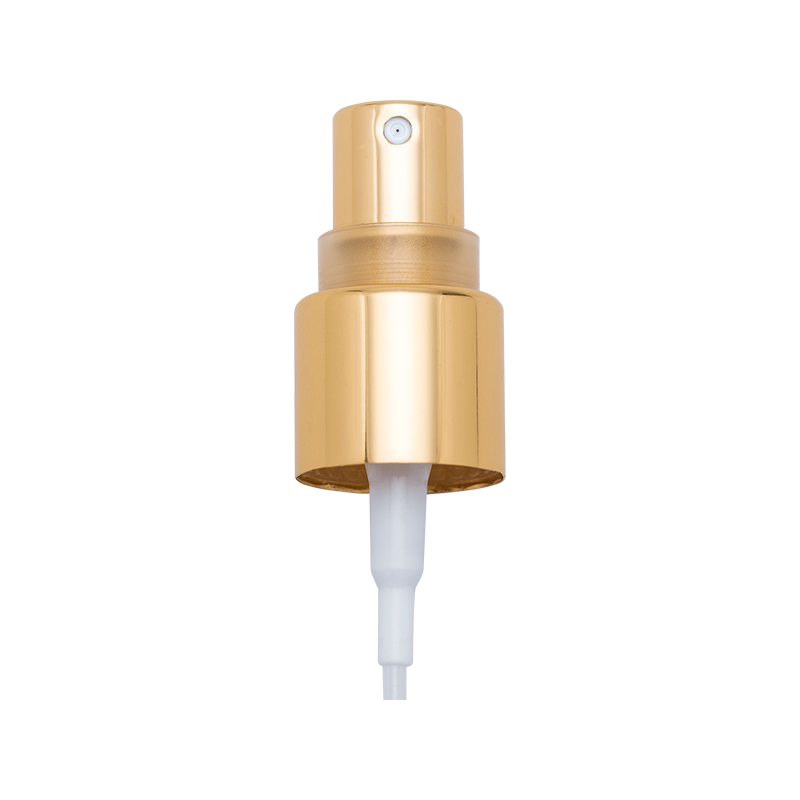 XY-LK-18/415 18mm Screw perfume fine mist pump sprayerThe 18mm Screw Perfume Fine Mist Pump Sprayer is a precision-engineered dispensing component designed for the controlled application of liquid fragrances and cosmetic ...View Product →
Collar and neck fit decides whether a pump can be assembled automatically at all. A stepped collar held within a 0.10 mm concentricity window and a bottle neck finished to 13/415 or 15/415 inside the glassmaker's drawing will index into the nest without jamming; a collar 0.3 mm out of round will stop the line.
| Parameter | Automatic window | Bench spread | Effect when exceeded |
| Crimp skirt diameter | plus or minus 0.05 mm | 0.10 to 0.15 mm | Gasket squeeze varies, evaporation loss rises |
| Crimp height | plus or minus 0.10 mm | 0.20 to 0.30 mm | Actuator binds or collar seats loose |
| Stem seating depth | plus or minus 0.05 mm | plus or minus 0.15 mm | Friction changes, dose shifts |
| Collar concentricity | 0.10 mm total | 0.25 mm total | Feeder jams, cap will not seat |
| Neck finish (13/415, 15/415, 18/415) | Per glassmaker drawing | Varies by mould cavity | Pump will not crimp square |
| Dip tube length | plus or minus 0.5 mm | plus or minus 1.5 mm | Air drawn before the bottle is empty |
Tolerances stack, so the pump maker has to hold the tighter half of the assembly. When the collar, the aluminium cap and the pump come from one plant, a collar diameter change can be tested against the pump on the same day instead of waiting for a third-party shipment. Collar and neck dimensions are also only meaningful against a defined finish, which is why buyers should attach the neck drawing to the pump order rather than naming a series, as explained in this guide to perfume collar tolerance standards.
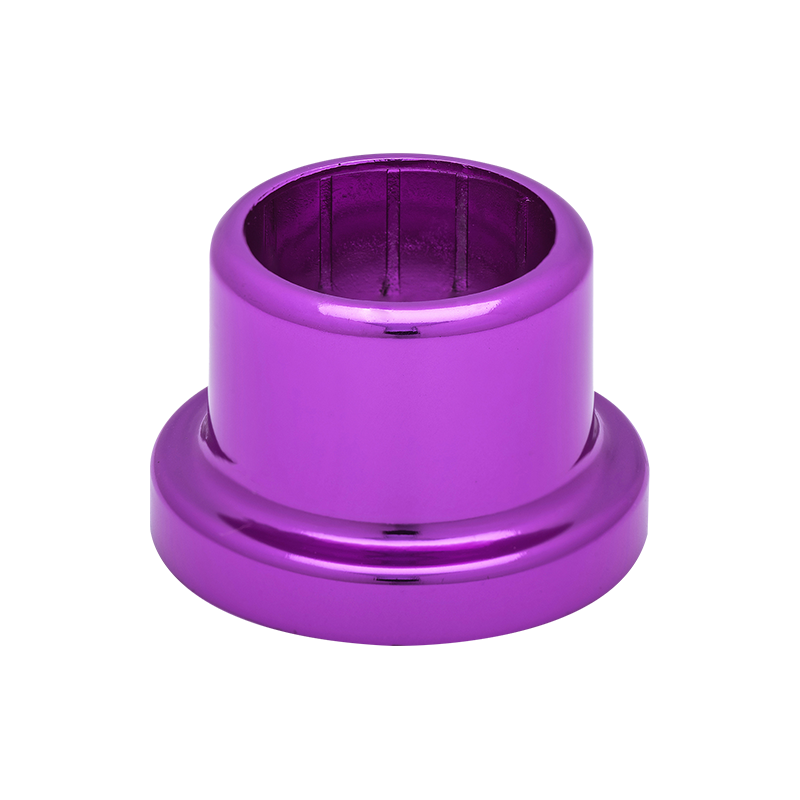 XY-ZT-17.05*15.6 22.8*4 Aluminum Cosmetic Perfume Collar With StepThis product is a smooth aluminum collar designed for cosmetic or perfume packaging . With a diameter of 22.8 mm and a height of 4 mm, it features a stepped design tha...View Product →
Ask a supplier for three documents before the first order: a dose capability study on 100 consecutive pumps, a crimp diameter control chart with upper and lower limits, and a leak or weight loss test report. A plant running automated assembly can produce all three from live production data rather than from a hand-picked sample batch.
Then check where the components are made. When pump assembly, aluminium stamping, injection moulding and anodising sit inside one plant, a tolerance change on a collar or a cap can be validated against the pump within a day. That integration is what makes a 0.05 mm window practical rather than theoretical, and it is the reason in-house tooling matters when a brand changes a bottle neck or a cap finish.
At a 1 percent dosage drift on a 100,000-unit order, 1,000 pumps deliver a spray the brand never approved, and those units surface as consumer complaints rather than line rejects.
fall outside the approved sensory target for every 1 percent of dosage drift on a 100,000-unit order.
Automatic assembly, automatic inspection and a documented quality system address that arithmetic directly. XinYe runs production to ISO 9001 and uses automated production and inspection equipment across its pump, collar and cap lines, covering FEA13, FEA15, FEA18 and FEA20 crimp pumps, crimpless pumps, and 12/415 through 18/415 screw pumps, plus custom aluminium collars and caps made on the same site.
For buyers, the practical conclusion is short: specify the tolerance window, not only the pump model, and ask for the production data that proves the line can hold it.
It changes the spread, not the design. A FEA15 crimp pump rated at a 0.07 ml nominal dose reads roughly 0.066 to 0.074 ml across 100 consecutive units from an automated line, against 0.060 to 0.080 ml from bench assembly. Mist pattern, break-up angle and actuation force stay inside the same specification.
The crossover is driven by tooling amortisation, not by a fixed minimum. A crimp tool, feeder set and nest for one pump size usually earn back their cost when the tooling charge per unit falls below the labour cost per unit, which for a 15/415 screw pump commonly happens between 20,000 and 50,000 units of a single SKU. Below that range, a semi-automatic press with a fixed crimp nest is the more economical route.
Yes, if it is designed for feeding. Stepped collars, collars with a groove, embossed collars and straight aluminium caps all run automatically when they carry a lead-in chamfer, a concentricity window of 0.10 mm and a feeder track matched to their outer diameter. Custom shapes without those features are hand-loaded, which reintroduces the variation the line was built to remove.
Reference three. ISO 2859-1 for the sampling plan and AQL levels; ISO 9001 for the supplier quality system, which XinYe holds; and ISO 22716 when the filled product is a cosmetic, because it governs the filling environment the pump has to survive. Add the glassmaker's neck drawing, since crimp dimensions are only meaningful against a defined 13/415, 15/415 or 18/415 finish.
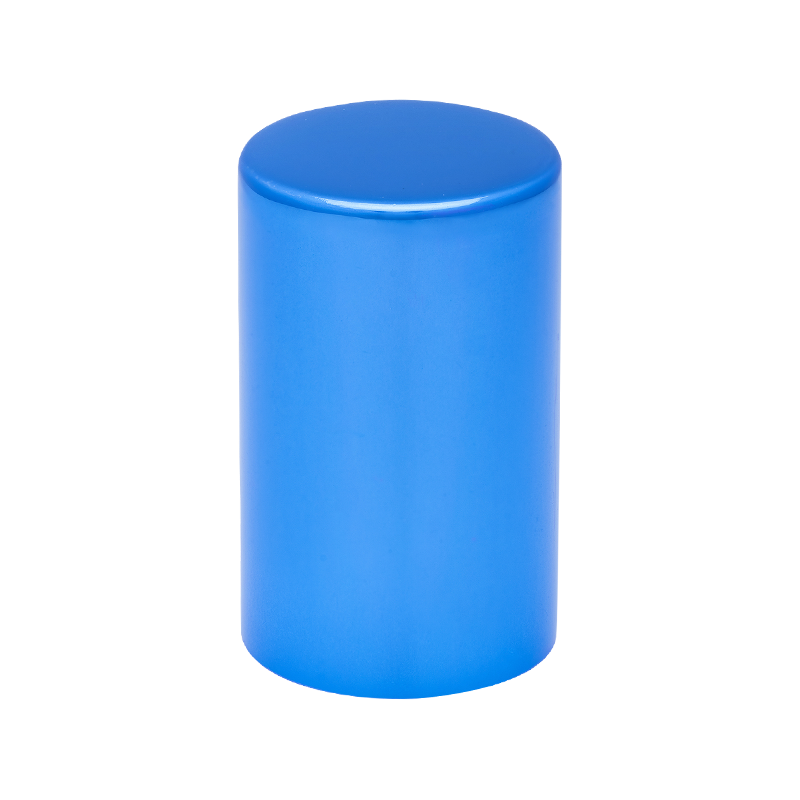 XY-LZ-20.6*34 Multiple Colors Straight Perfume Aluminum Cap/Lid For Fragrance, Essential Oil Bottle
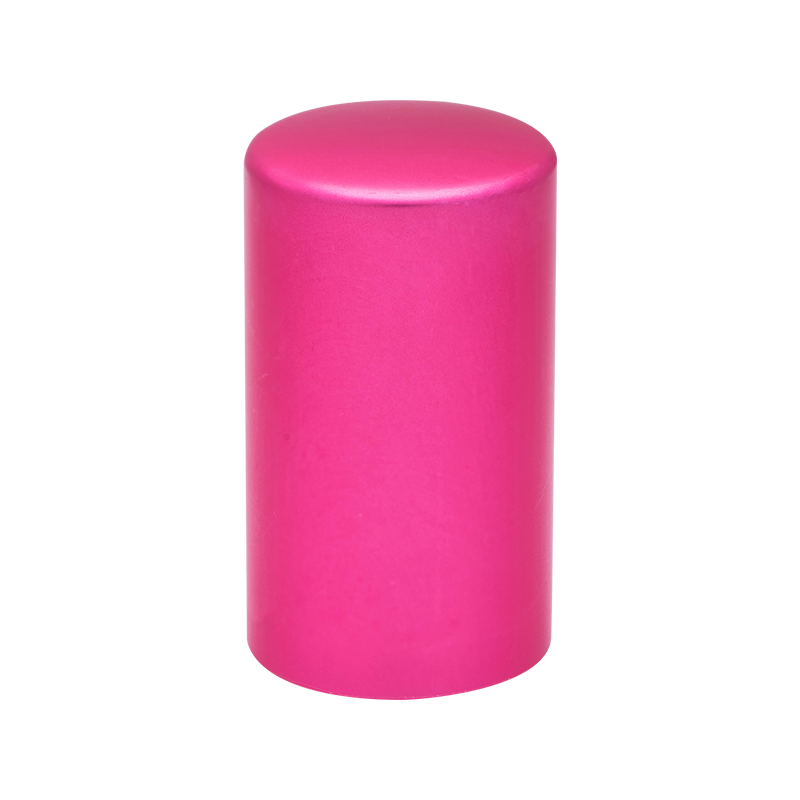 XY-LZ-18.6*32 Straight Perfume Bottle Aluminum Cap For Luxury Glass Fragrance Bottles, Minimalist Design
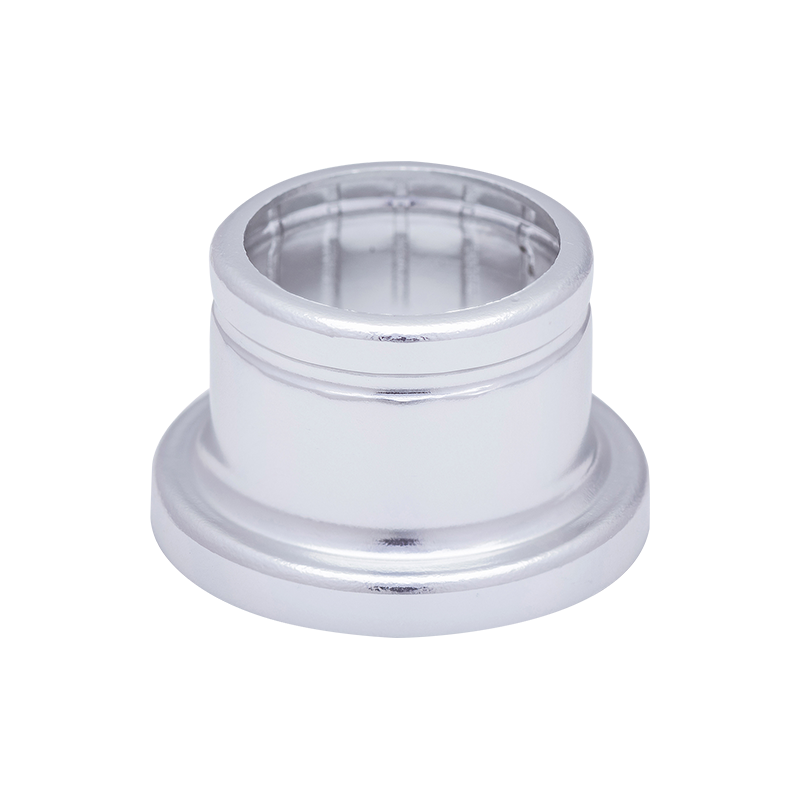 XY-ZT-17.3*14DBSNG Gold/Silver Perfume Cap Collar Aluminum Stepped Collar
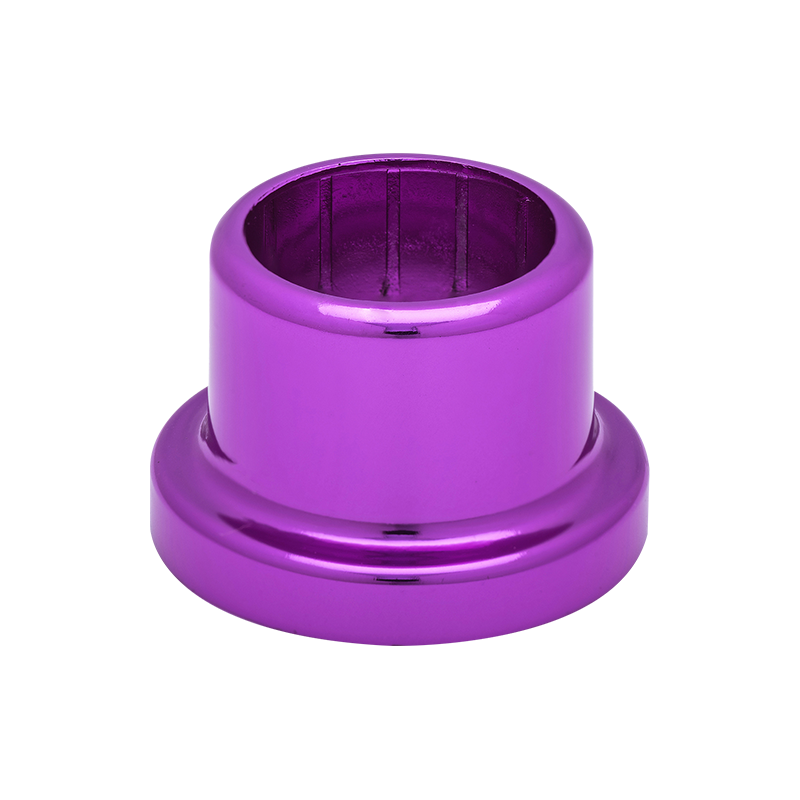 XY-ZT-17.05*15.6 22.8*4 Aluminum Cosmetic Perfume Collar With Step
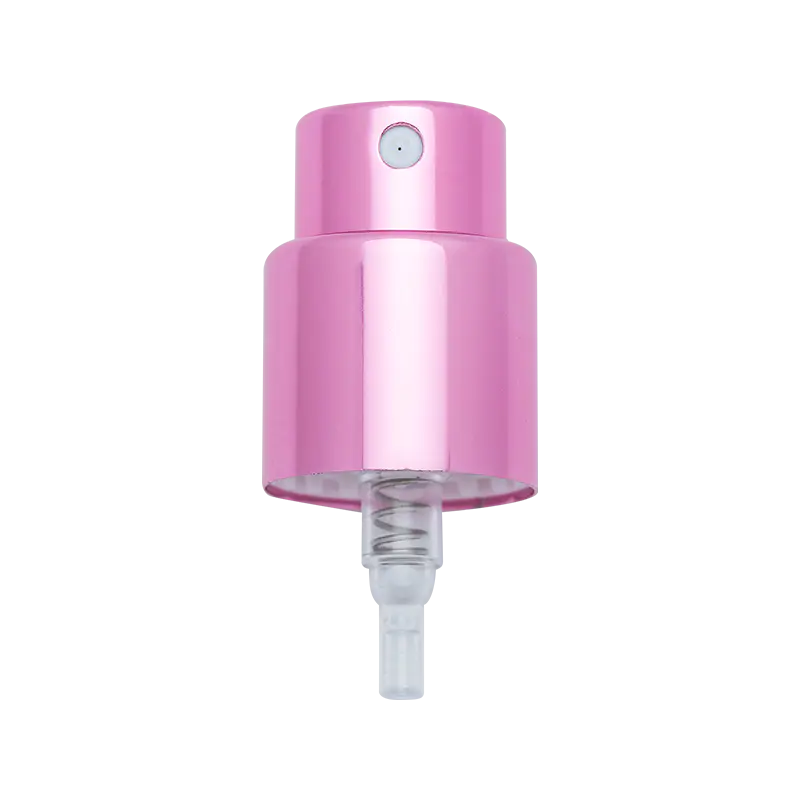 XY-LK-17/415 15mm Screw perfume fine mist pump sprayer OD17.2mm
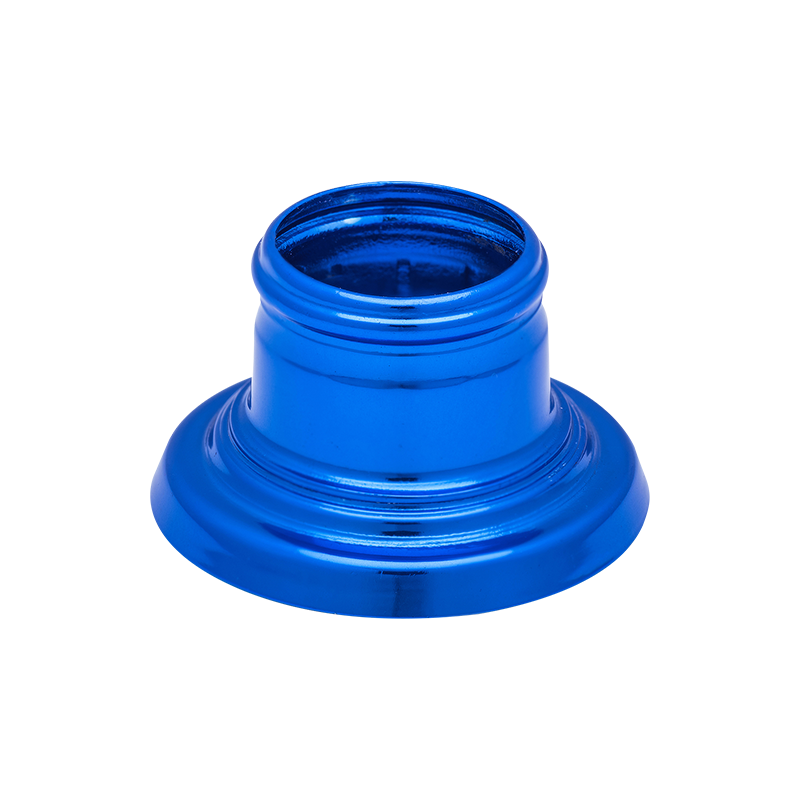 XY-ZT-DADB Custom Perfume Bottle Stepped Collar With Groove
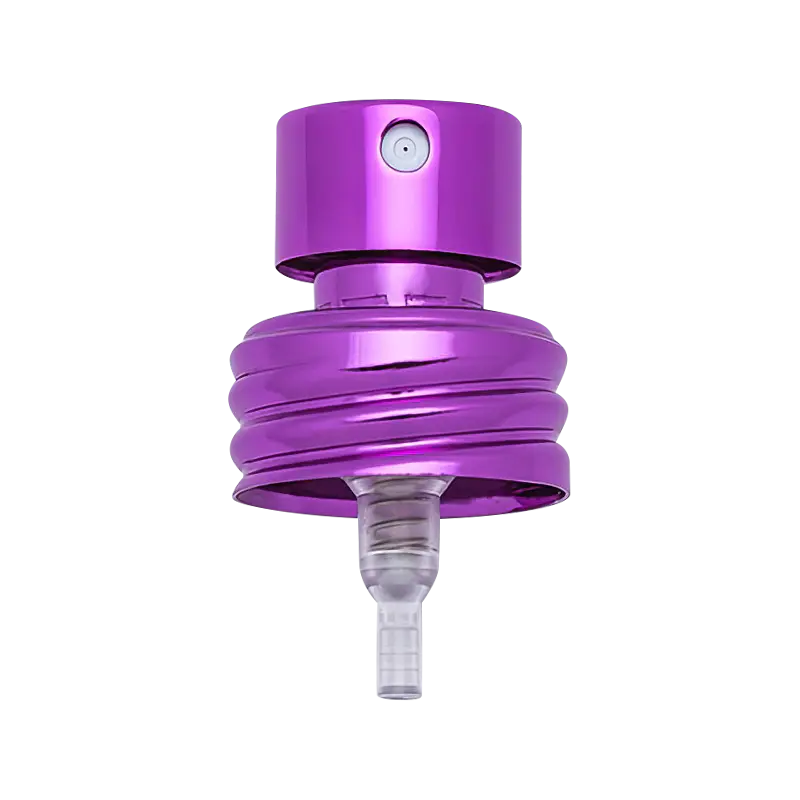 XY-LK-20.8CK 20mm Aluminum screw perfume fine mist pump sprayer OD20.8mm
Tel: +86-13812990918
Phone: +86-512-58962260
Address: No.3, Xiangqun Road, Leyu, Zhangjiagang.


 English
 русский
 Español
 عربى
عربى Português