Article Directory
A 10 ml travel perfume bottle with a 15 mm crimp neck leaves a packaging engineer roughly 22 mm to 26 mm of usable vertical space between the glass shoulder and the underside of the cap. That budget has to hold a pump body, a ferrule, an actuator and, in most fragrance designs, a stepped aluminium collar. Short-type perfume spray pumps exist because that budget is fixed by the bottle, not by the pump.
Travel retail, sampler programmes and refillable gift sets have pushed 10 ml, 15 ml and 30 ml formats into the same brand line as the 100 ml flacon. Those small bottles inherit the same neck finish family, FEA13 or FEA15 for crimp closures and the 415 thread series for screw closures, but they do not inherit the same headroom above the glass. Compressing the pump vertically is the only way to keep the closure flush without cutting a new bottle mould.
A short-type perfume spray pump keeps a standard neck finish, FEA13, FEA15, FEA18 or FEA20, while reducing the vertical height of the pump body, spring housing and stem by roughly 2 mm to 4 mm, so the same bottle neck accepts a visibly lower assembly without changing the crimp or thread interface.
The height does not disappear from one part. It comes out of four places at once: the pump chamber is shortened, the spring housing is re-profiled, the stem is trimmed, and the gasket stack above the ferrule is re-specified. Removing material from only one of those four points produces a pump that either leaks at the crimp or binds halfway through the stroke.
A short-type pump is a fine mist pump in which the distance from the ferrule seating face to the top of the actuator is reduced against the standard-height version of the same neck size. The neck finish, dip tube bore, gasket material and nozzle family stay inside the same platform, while stroke length, spring rate and metered dose are re-engineered as a set.
| Attribute | Standard height | Short type | Shorter type |
| Body height above ferrule | Baseline | 2 to 3 mm lower | 3.5 to 5 mm lower |
| Stroke length | 3.2 to 3.6 mm | 2.8 to 3.2 mm | 2.4 to 2.8 mm |
| Metered dose per actuation | 0.10 to 0.12 ml | 0.07 to 0.09 ml | 0.05 to 0.07 ml |
| Actuation force | 15 to 20 N | 18 to 22 N | 20 to 25 N |
| Typical bottle format | 50 to 100 ml | 30 to 50 ml | 10 to 30 ml |
Two millimetres is the entire difference between a cap that lands on the glass shoulder and a cap that floats above it on a 30 ml travel bottle.
In a 30 ml travel spray, a short-type 15 mm crimp pump removes about 2 mm to 3 mm from the assembled stack height, which is normally enough to keep the cap flush and to protect the shoulder-to-cap proportion the brand approved at design stage.
The savings cascade through the whole assembly. A lower pump lets the collar sit closer to the shoulder, shortens the visible neck, and pulls the cap down by the same amount. Dip tube length has to be re-cut at the same time, otherwise the tube either bottoms out against the glass base or leaves a 3 mm heel of fragrance that the consumer can never spray.
For 15 ml and 20 ml formats, the 15 mm shorter-type crimp pump XYPT-15CAMG is the variant in this range that targets the tightest headroom.
 15mm Crimp Perfume Fine Mist Pump Sprayer, Shorter TypeUltra-compact 15 mm crimp pump for slim perfume bottles, travel atomizers and sample vials where vertical headroom is tight.View Product →
For bottles at or below 30 ml, 13 mm and 15 mm crimp pumps are the default choice, because a crimped aluminium ferrule seals against the glass inside a vertical envelope of roughly 1.0 mm to 1.5 mm, the smallest sealing envelope of the three mounting types.
The trade-off is not only height. A crimp closure is permanent, which is correct for a sealed fragrance but wrong for a refillable bottle the consumer is expected to open. Before locking a mounting type, compare the sealing behaviour of each format in detail, as set out in this crimp and screw perfume pump comparison.
For the smallest formats, a 13 mm crimp pump such as the short-type XYPT-13AB keeps the ferrule diameter under the shoulder curve so the bottle still reads as glass rather than hardware.
crimp and screw perfume pump comparison 13mm Crimp Perfume Fine Mist Pump Sprayer, Short TypeCompact 13 mm crimp pump for travel-size fragrance and personal care bottles, keeping ferrule under shoulder curve while delivering fine mist.View Product →
Shortening a pump stroke from 3.4 mm to 2.6 mm reduces the metered volume by roughly 25 percent to 35 percent, so a short-type pump built by scaling down a full-height design will spray wet and inconsistent until the nozzle and spring are re-tuned together.
Three parameters decide whether the spray is a fine mist or a wet squirt: the nozzle orifice diameter, the depth of the swirl chamber, and the spring rate that drives the piston back. When the stroke drops below 3 mm, the spring has less distance to build pressure, so a stiffer spring or a narrower orifice, or both, has to compensate. Fragrance fine mist pumps normally target a droplet distribution with a median diameter between 30 and 50 microns, and that distribution is what the consumer reads as quality the moment the first press lands on skin.
| Bottle format | Target dose per actuation | Recommended stroke | Actuations from a full bottle |
| 10 ml travel spray | 0.05 to 0.07 ml | 2.4 to 2.8 mm | 140 to 200 |
| 15 ml purse spray | 0.06 to 0.08 ml | 2.6 to 3.0 mm | 185 to 250 |
| 30 ml handbag bottle | 0.08 to 0.10 ml | 3.0 to 3.2 mm | 300 to 375 |
| 50 ml signature bottle | 0.10 to 0.12 ml | 3.2 to 3.6 mm | 400 to 500 |
A short pump is not a smaller version of a tall pump. Once the stroke drops below 3 mm, the nozzle, the spring and the piston seal have to be specified as one set, or the dose drifts by more than 15 percent between the first and the last millilitre in the bottle.
A short pump only looks intentional when the aluminium collar and the cap hold their own tolerances: stepped collar shoulder diameters are typically controlled to plus or minus 0.05 mm, and cap-to-collar clearance is set between 0.10 mm and 0.15 mm to avoid either a visible gap or a scratched anodised finish.
The collar is where the compact stack is judged. On a 15 ml bottle the collar occupies a larger share of the visible silhouette than on a 100 ml flacon, so a straight collar, a stepped collar, an embossed collar and a grooved collar each change how tall the package appears even when the pump underneath is identical. The stepped version is the usual answer for travel formats because the step hides the ferrule edge and lets the cap sit lower without touching the glass.
The pump, the collar and the cap are produced inside the same factory at Zhangjiagang XinYe Chemical Sprayer Co., Ltd., which removes the tolerance negotiation that normally happens between three separate vendors. The stepped aluminium collar XYZT17-05-15-6-22-8-4 is a standard example of the geometry used for compact perfume bottles.
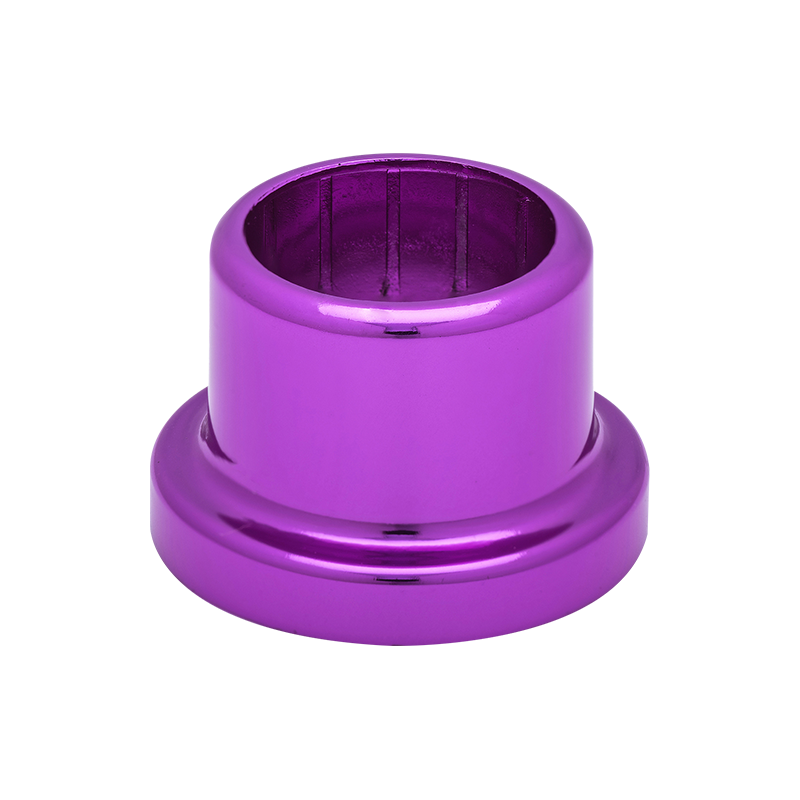 Aluminum Cosmetic Perfume Collar With Step for Pump InterfaceStepped aluminum collar connecting perfume bottle neck to pump, with anodized finish and in-house matched pump, collar and cap production.View Product →
Two supplier-side capabilities matter here. Aluminium anodising is done in house, so colour and gloss are repeatable between the pump ferrule and the collar on the same order, and injection moulding covers the plastic components, so the actuator finish matches the collar rather than sitting one shade away from it.
A short-type pump specification needs six acceptance points written directly into the purchase order: neck finish, assembled stack height, metered dose, actuation force, sealing performance and drop resistance.
Run all six checks on a pre-production set of 30 bottles drawn from the same glass lot. If the glass supplier changes, points one and five have to be repeated, because neck bead geometry is the variable that moves most between glass lots.
Yes, provided the neck finish and the dip tube length match. An FEA15 short-type pump seats on exactly the same glass bead as an FEA15 standard-height pump. Expect the metered dose to fall by about 20 percent to 30 percent, so the fragrance brief has to accept either a lighter spray per press or a slightly longer actuation.
Between 0.05 ml and 0.07 ml per actuation. At that dose a 10 ml bottle delivers 140 to 200 sprays, which covers a multi-day trial without forcing the consumer into an unusually long press on each application.
Not when the crimp or thread interface is specified correctly. Leakage in flight comes from pressure differential rather than pump height. A bottle sealed at ground level and carried in a cabin at roughly 75 kPa, equivalent to an altitude of about 2,400 m, faces a differential of 20 to 25 kPa. A properly crimped ferrule with a nitrile or FKM gasket holds that differential; a loose crimp does not.
FEA13 for crimp closures or a 13/415 screw finish. A 13 mm neck keeps the ferrule diameter inside the shoulder curve and preserves the glass-to-hardware ratio that makes a small bottle look like a fragrance rather than a component. Move to FEA15 only when the format reaches 30 ml and a wider actuator surface is required.
Short-type pumps are a packaging decision before they are a catalogue item. Get the neck finish, the stack height and the dose window aligned on paper, verify them on 30 sample bottles, and a 10 ml travel spray will close as cleanly as a 100 ml flacon. Leave any one of those three unverified and the same bottle ships with a cap that sits 2 mm proud of the glass for the whole product life.
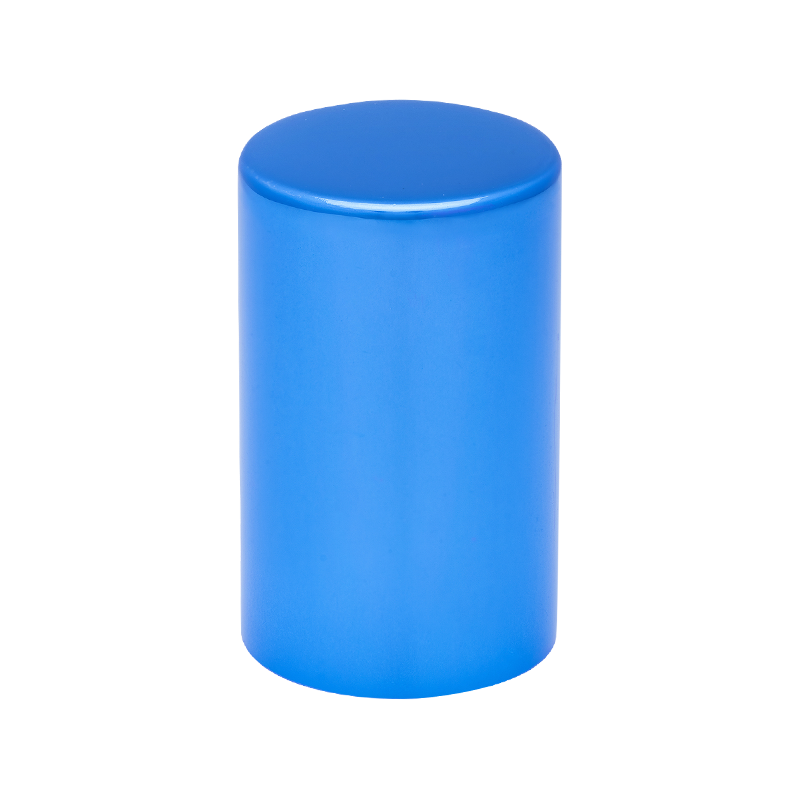 XY-LZ-20.6*34 Multiple Colors Straight Perfume Aluminum Cap/Lid For Fragrance, Essential Oil Bottle
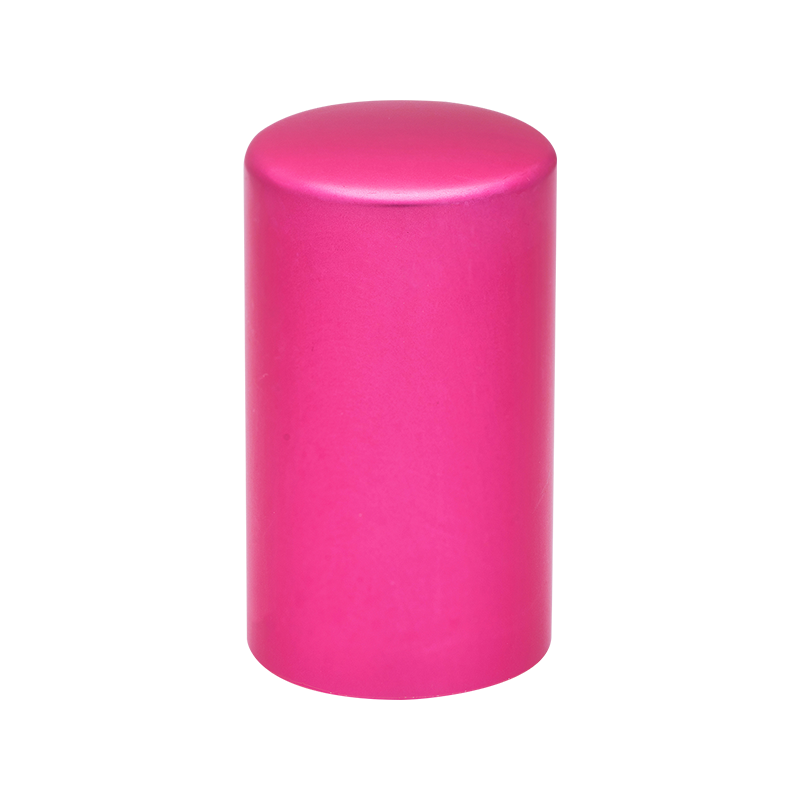 XY-LZ-18.6*32 Straight Perfume Bottle Aluminum Cap For Luxury Glass Fragrance Bottles, Minimalist Design
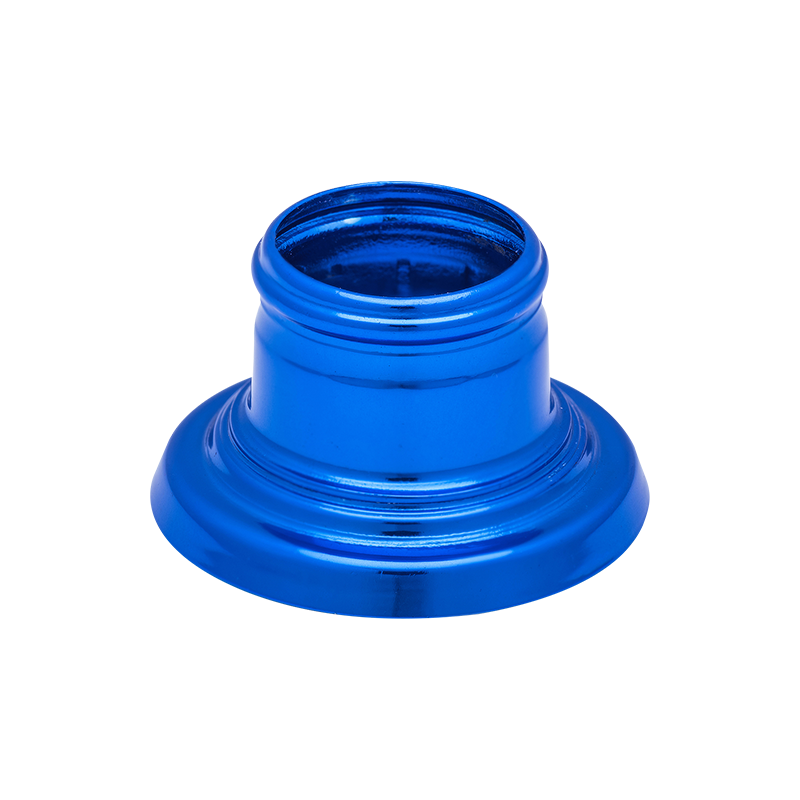 XY-ZT-DADB Custom Perfume Bottle Stepped Collar With Groove
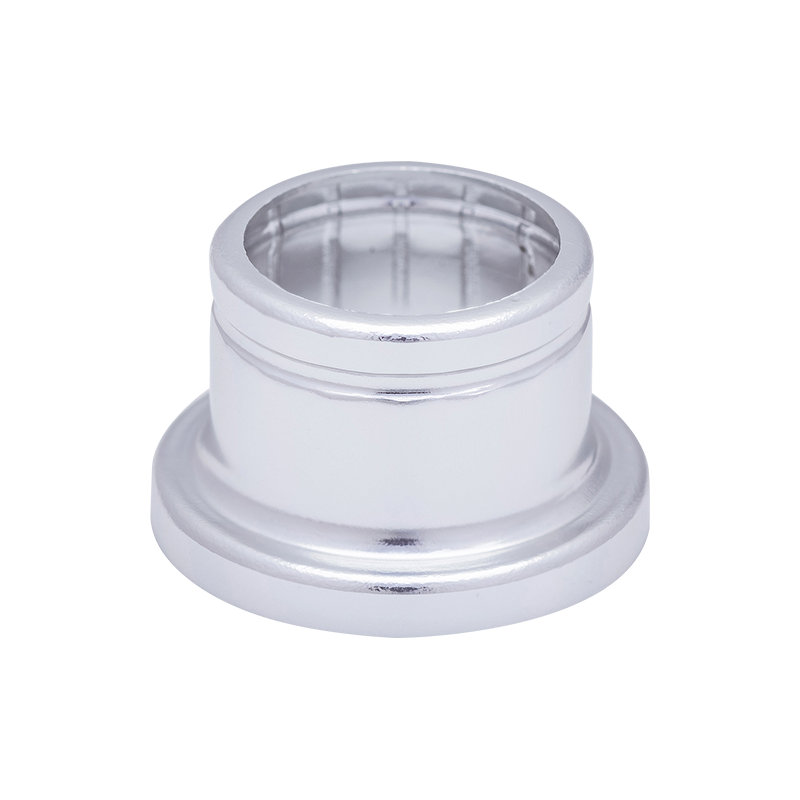 XY-ZT-17.3*14DBSNG Gold/Silver Perfume Cap Collar Aluminum Stepped Collar
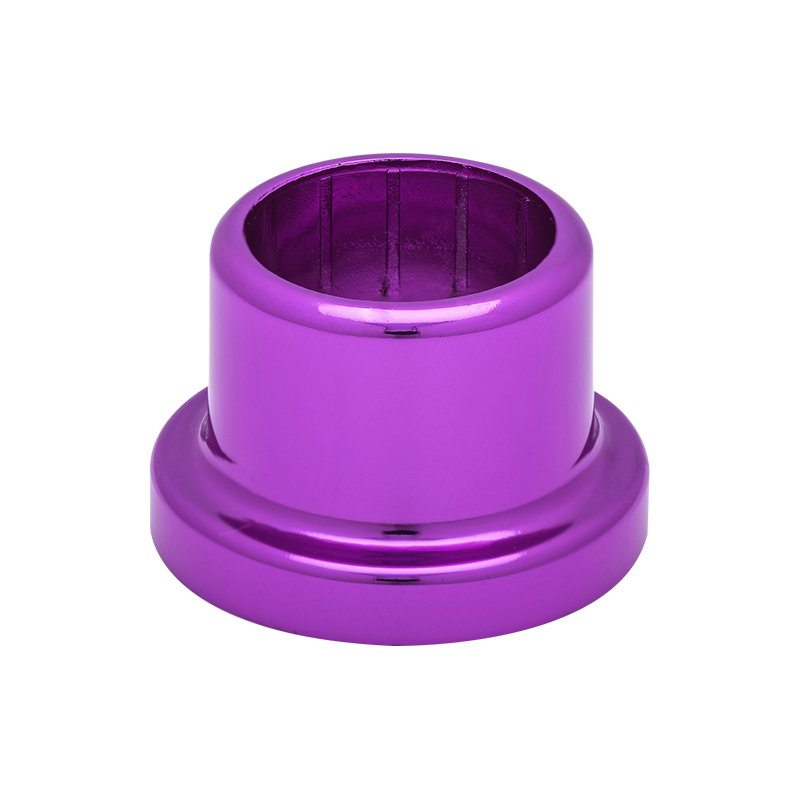 XY-ZT-17.05*15.6 22.8*4 Aluminum Cosmetic Perfume Collar With Step
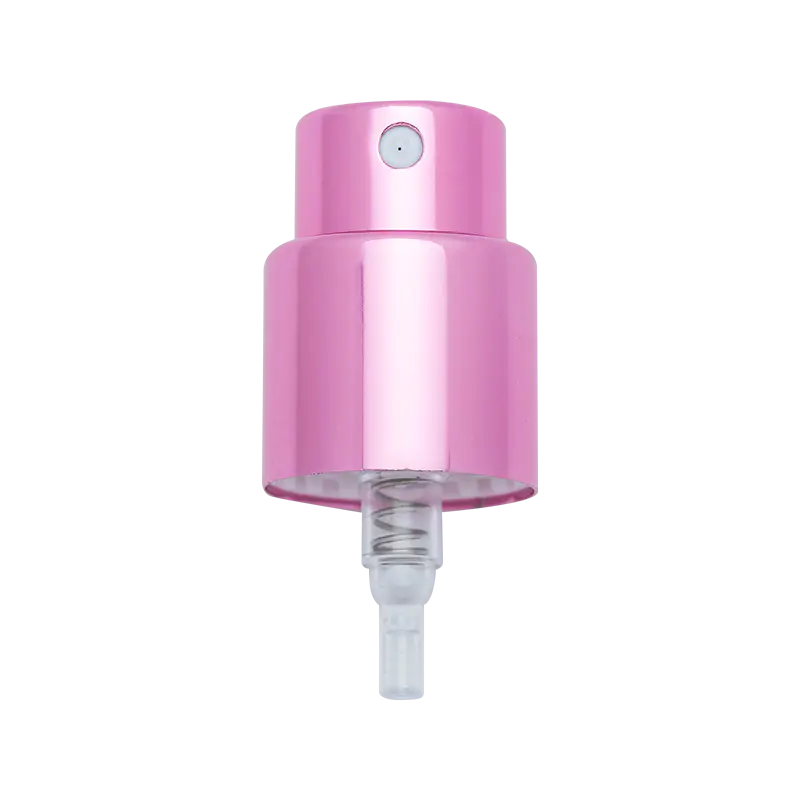 XY-LK-17/415 15mm Screw perfume fine mist pump sprayer OD17.2mm
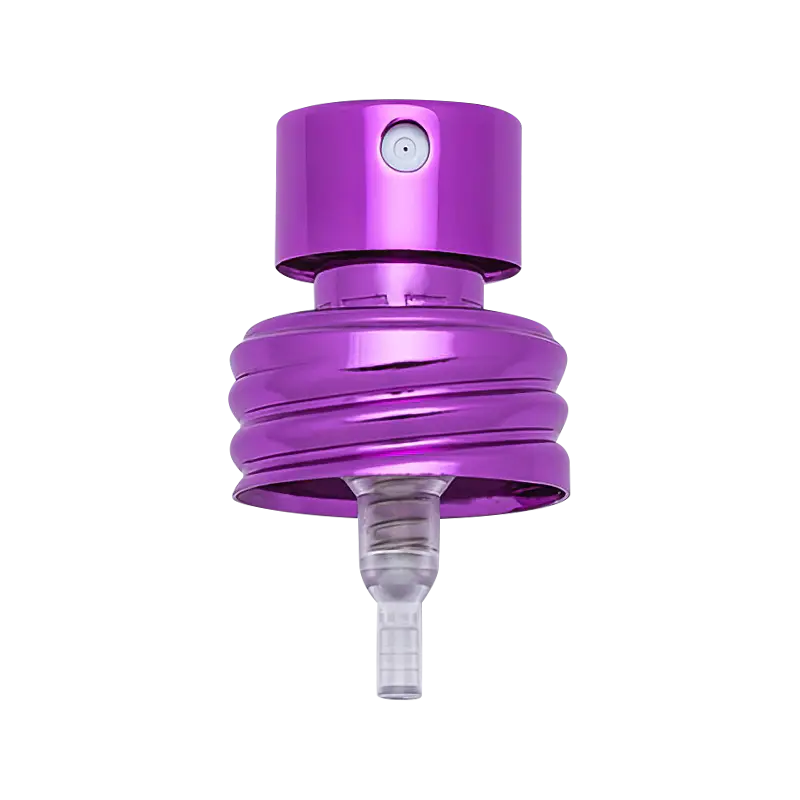 XY-LK-20.8CK 20mm Aluminum screw perfume fine mist pump sprayer OD20.8mm
Tel: +86-13812990918
Phone: +86-512-58962260
Address: No.3, Xiangqun Road, Leyu, Zhangjiagang.


 English
 русский
 Español
 عربى
 Português
