Article Directory
In the luxury fragrance packaging industry, the "collar" is more than a functional component; it is a critical aesthetic bridge between the pump and the bottle cap. Selecting the right material for a Perfume Collar with Step requires a deep understanding of metallurgy, surface treatment stability, and chemical resistance. Zhangjiagang XinYe Chemical Sprayer Co., Ltd., established in 2006, operates across 350,000 square meters of production space, integrating the entire chain from aluminium stamping and injection moulding to advanced surface oxidization. As an ISO9001-2008 certified manufacturer, we prioritize "ensuring quality for survival." This article provides a professional engineering analysis on whether Perfume Collar with Step designs perform better when manufactured from aluminium or zinc alloy (Zamak).
The structural choice for a stepped perfume bottle collar significantly impacts the overall weight and perceived value of the fragrance. Aluminium is prized for its lightweight properties and excellent ductility, which allows for precision aluminium stamping for perfume collars. In contrast, Zinc Alloy is significantly heavier, offering a "luxury weight" feel but requiring a die-casting process. When comparing aluminium vs zinc alloy for perfume packaging, aluminium provides superior corrosion resistance in its natural state, whereas zinc alloy must be heavily plated to prevent oxidation. For high-volume production, lightweight aluminium perfume collars are often the preferred engineering choice due to their lower shipping costs and ease of high-speed automation in assembly.
| Technical Feature | Aluminium Alloy | Zinc Alloy (Zamak) |
| Density (g/cm³) | ~2.70 | ~6.60 |
| Manufacturing Process | Stamping / CNC Turning | Die-Casting |
| Corrosion Resistance | High (Self-passivating) | Low (Requires Electroplating) |
The durability of the finish is where the Perfume Collar with Step meets its greatest challenge: exposure to alcohol-based fragrance oils. Aluminium utilizes an electrochemical process called anodized aluminium perfume collar treatment, which creates an integrated oxide layer that is part of the metal itself. Zinc alloy typically relies on electroplating (e.g., gold or chrome plating). While zinc alloy vs aluminium perfume collars both offer high-gloss finishes, the anodized layer on aluminium is significantly more resistant to scratching and chemical degradation. Furthermore, oxidization of aluminium surface allows for a vast array of metallic colors that do not peel or flake over time. For brands seeking custom color perfume collars, aluminium offers better batch-to-batch consistency and UV stability.
| Durability Metric | Anodized Aluminium | Electroplated Zinc |
| Scratch Resistance | High (Hard oxide layer) | Moderate (Surface coating) |
| Alcohol Resistance | Excellent | Moderate (Can pit if plating is thin) |
| Finish Longevity | Permanent (Integrated) | Limited (Potential for delamination) |
A Perfume Collar with Step must fit perfectly over the ferrule of a high quality perfume sprayer to ensure a leak-proof aesthetic. Aluminium's elasticity allows for a tighter friction fit during automatization of the assembly. At XinYe, we use full-auto inspection equipment to ensure every stepped perfume bottle collar meets micron-level tolerances. For wholesale perfume collars for spray pumps, aluminium is the industry benchmark because it balances cost effective perfume collar materials with premium performance. Our production bases in Zhangjiagang and Huaian are equipped to handle large-scale orders, ensuring that whether you require a shiny gold perfume collar or a matte finish, the structural fit remains flawless.
While zinc alloy offers a heavier feel, aluminium is the technically superior material for a Perfume Collar with Step regarding finish durability and chemical resistance. The anodized aluminium perfume collar process provides a permanent, alcohol-resistant shield that electroplating cannot match over long-term use. Zhangjiagang XinYe Chemical Sprayer Co., Ltd. continues to innovate in aluminium surface treatments, providing "distinction and seeking trust" for fragrance brands worldwide.
The "step" design provides a mechanical seat for the perfume cap, ensuring better alignment and a more sophisticated multi-tiered aesthetic for luxury bottle designs.
No. Unlike traditional paint, anodizing involves oxidization of the aluminium surface where the dye is trapped inside the metal pores and sealed, making it highly UV and fade-resistant.
We utilize full-auto inspection equipment and follow ISO9001-2008 standards to check for dimensions, color consistency, and resistance to fragrance oils.
Generally, yes. Aluminium is highly recyclable, and the stamping process typically consumes less energy and generates fewer toxic byproducts than zinc die-casting and electroplating.
Yes. By adjusting the etching and anodizing parameters, we can produce a wide range of matte, satin, or high-gloss finishes in almost any custom color to match your brand identity.
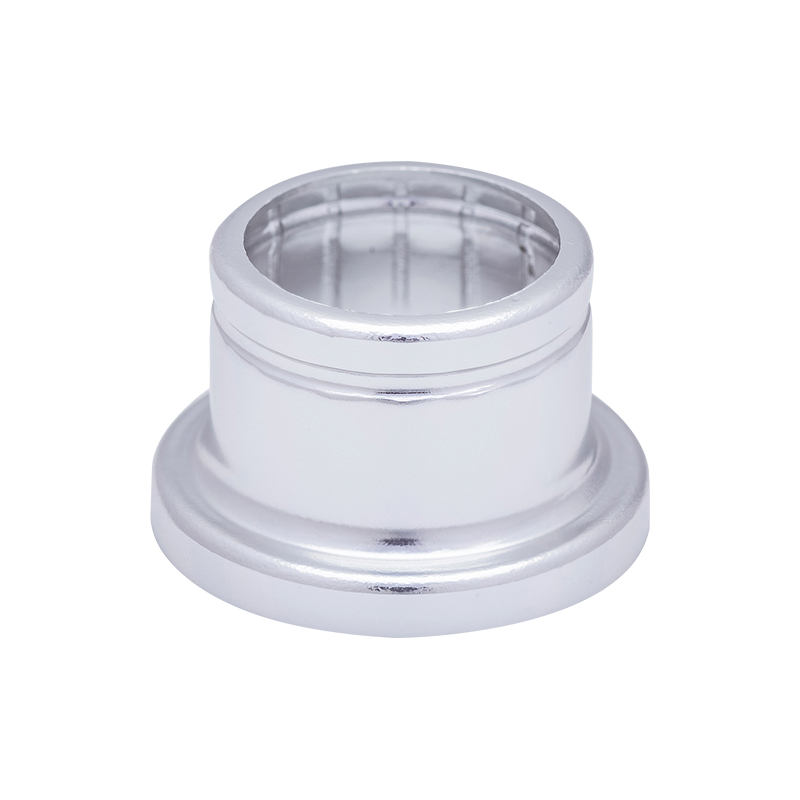
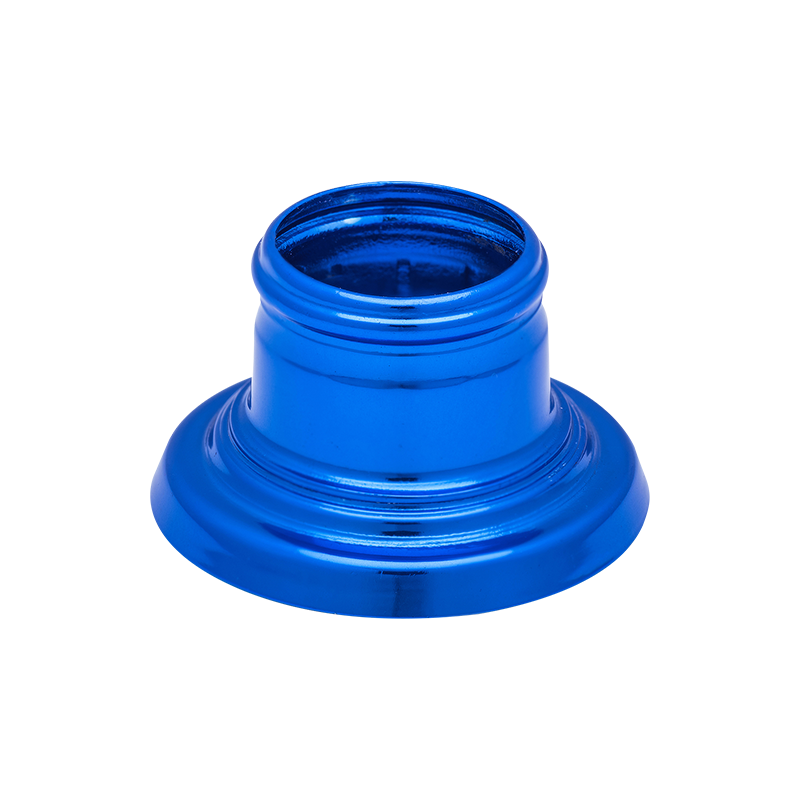 XY-ZT-DADB Custom Perfume Bottle Stepped Collar With Groove
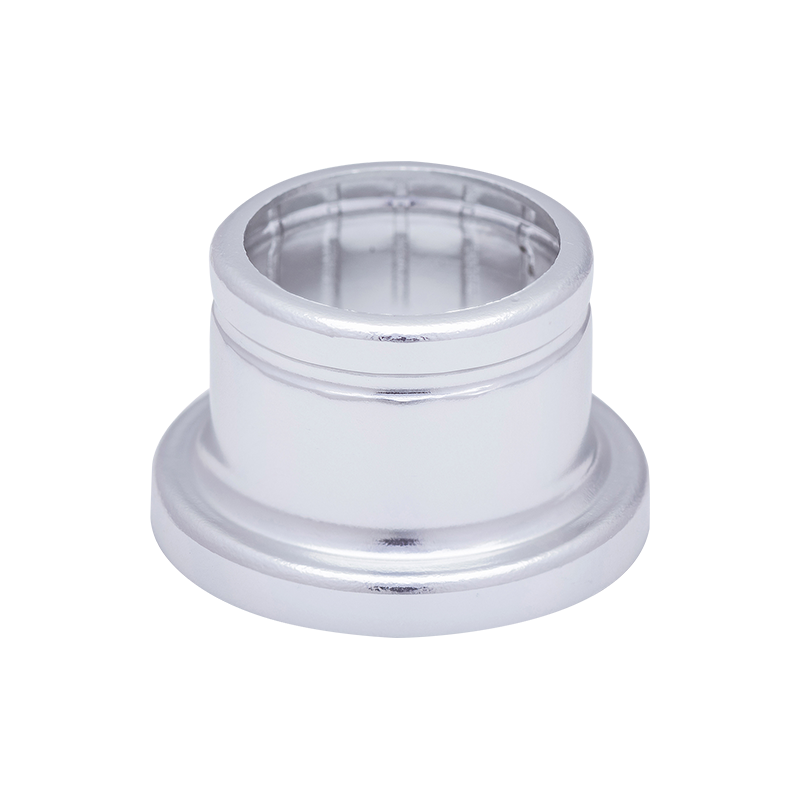 XY-ZT-17.3*14DBSNG Gold/Silver Perfume Cap Collar Aluminum Stepped Collar
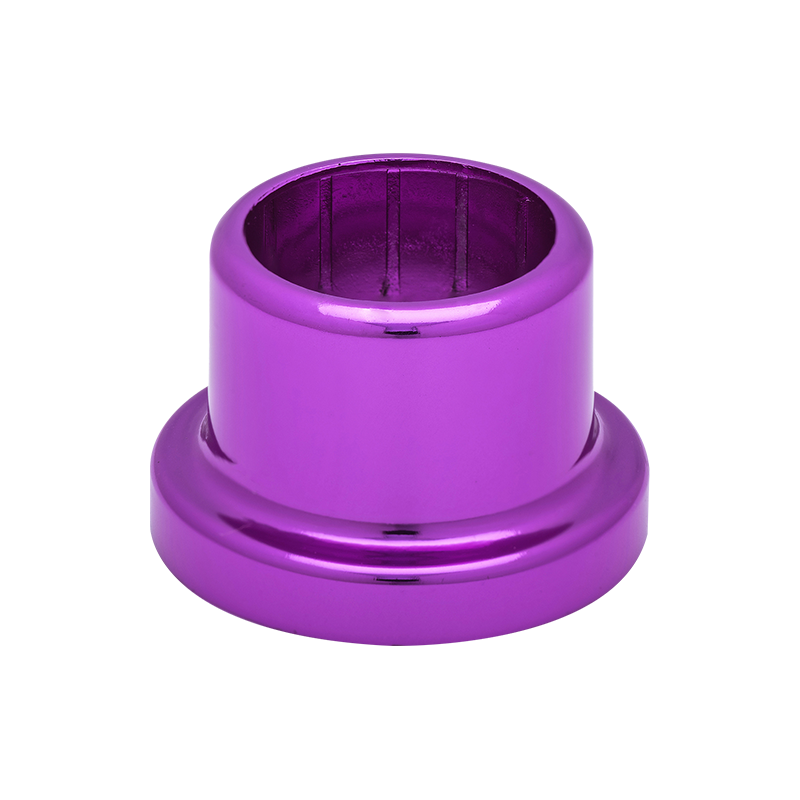 XY-ZT-17.05*15.6 22.8*4 Aluminum Cosmetic Perfume Collar With Step
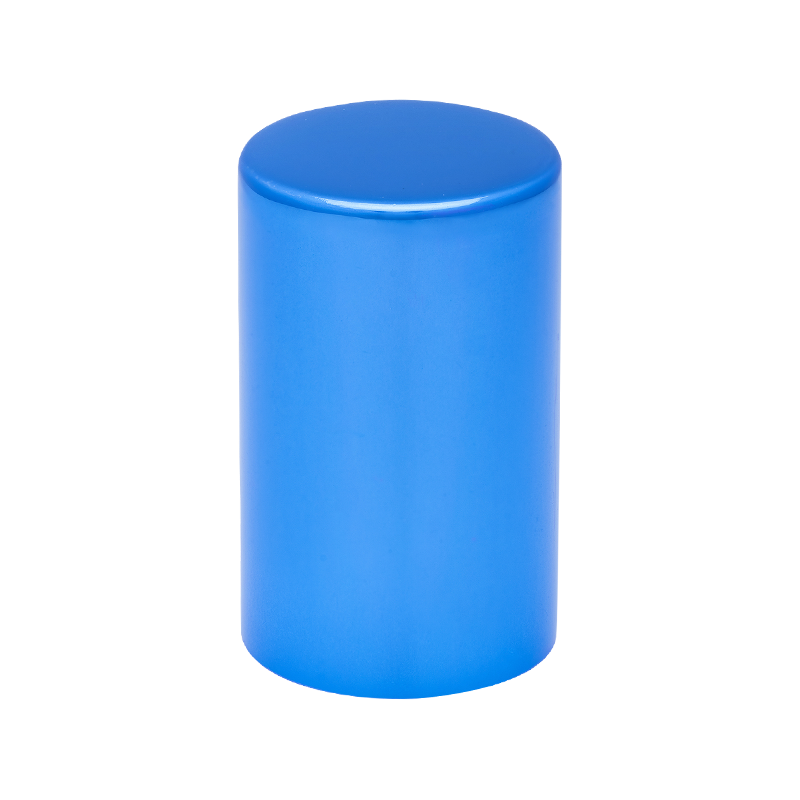 XY-LZ-20.6*34 Multiple Colors Straight Perfume Aluminum Cap/Lid For Fragrance, Essential Oil Bottle
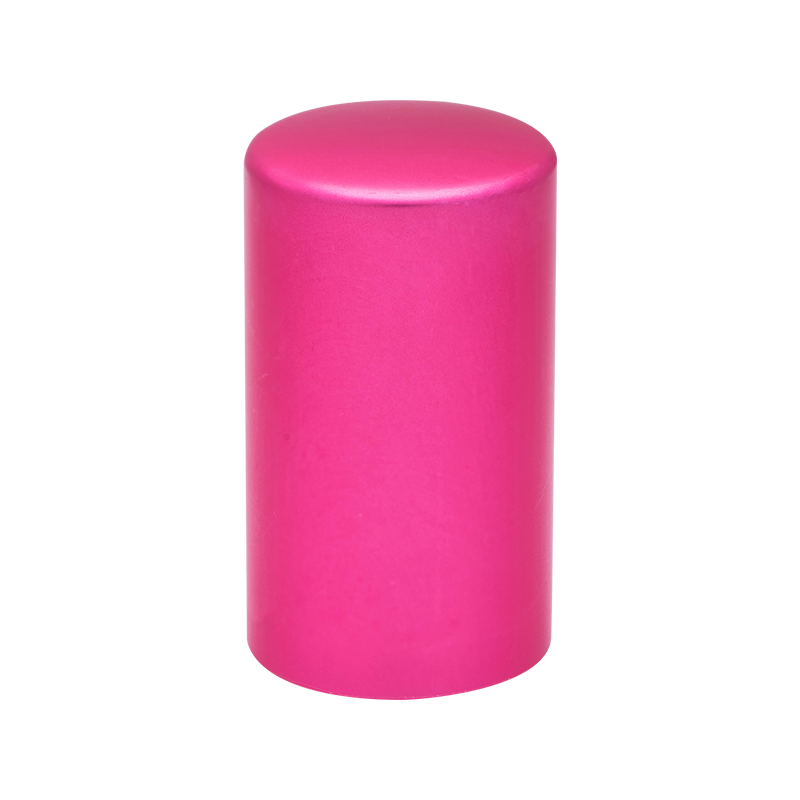 XY-LZ-18.6*32 Straight Perfume Bottle Aluminum Cap For Luxury Glass Fragrance Bottles, Minimalist Design
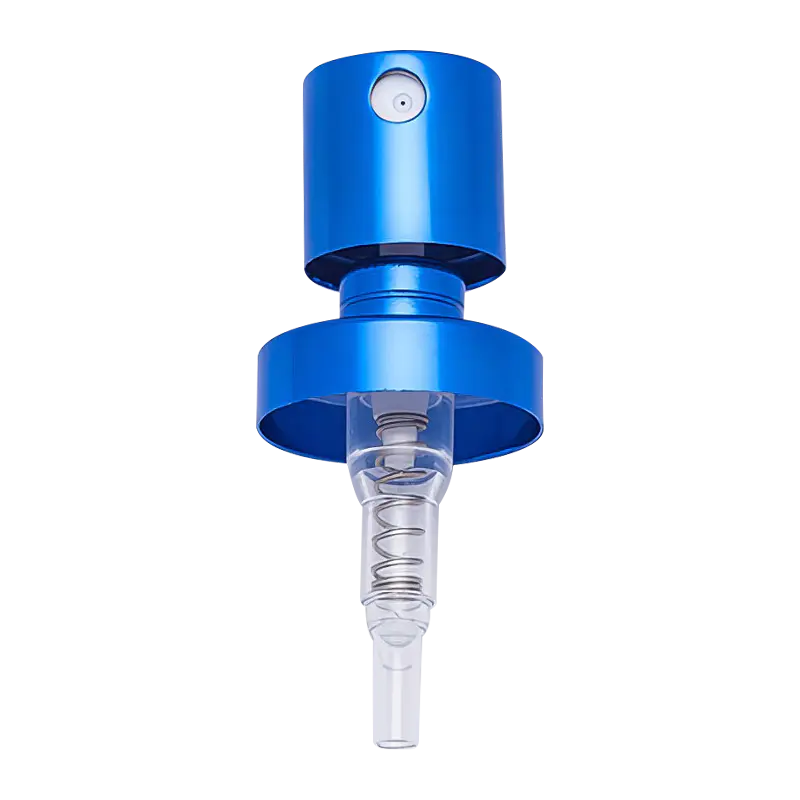 XY-PT-⊘20MGBMG 20mm Crimp perfume fine mist pump sprayer higher type with bigger discharge
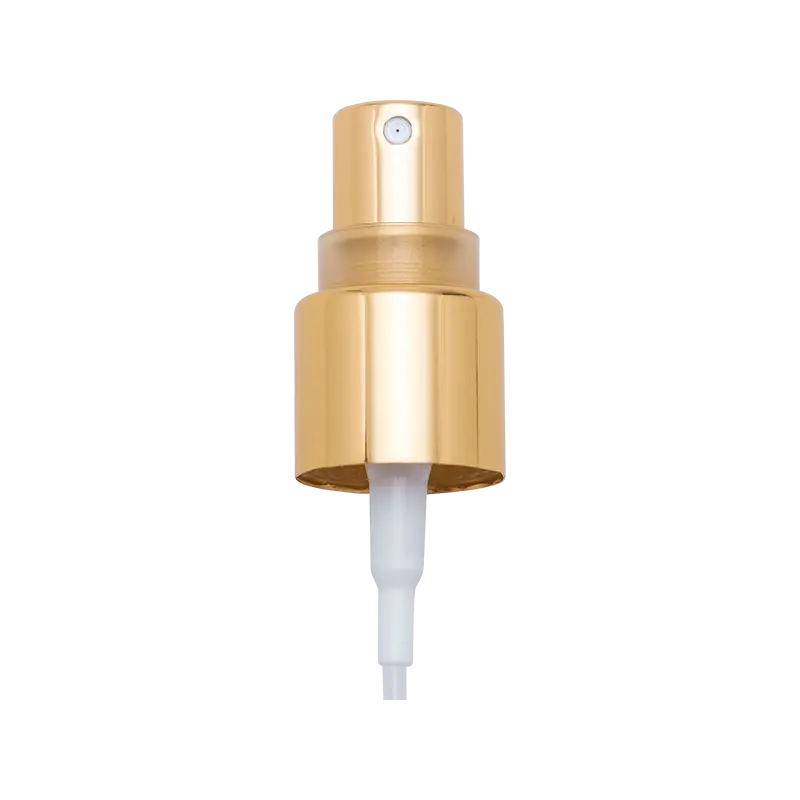 XY-LK-18/415 18mm Screw perfume fine mist pump sprayer
Tel: +86-13812990918
Phone: +86-512-58962260
Address: No.3, Xiangqun Road, Leyu, Zhangjiagang.


 English
 русский
 Español
 عربى
عربى Português