Article Directory
Both attachment systems are standard production at Zhangjiagang XinYe Chemical Sprayer Co., Ltd., a sprayer manufacturer founded in 2006 that operates three production bases, a 100,000 square metre site and 250,000 square metres of floor area with more than 600 employees, including roughly 100 quality and technical staff. The chain runs from aluminium stamping and injection moulding to anodising and automated assembly, which matters because a crimp pump and a screw pump are not two versions of one part. They are two different sets of tooling, tolerances and inspection points.
A crimp pump is permanently swaged onto the bottle neck by an aluminium ferrule, while a screw pump is held by a moulded thread that the consumer can unscrew by hand.
The practical consequence is that the two formats trade access for simplicity. A crimp pump removes consumer access and returns a smaller, lighter closure that hides nothing of the shoulder. A screw pump keeps the bottle serviceable for years, which is why refill programmes, travel decant sets and essential oil ranges almost always specify a threaded neck.
Sealing happens at one interface: the gasket trapped between the ferrule and the glass lip. Crimp diameter and crimp height set how far the gasket is compressed, so the crimping head is adjusted at setup and then verified with a crimp-diameter gauge at the start of every run. An under-crimped ferrule leaves the gasket loose and the bottle weeps; an over-crimped ferrule can chip the neck lip or split the ferrule skirt.
The thread centres and retains the pump, but it does not seal. Sealing again comes from a gasket, compressed between the pump flange and the top land of the neck finish. Because the consumer reopens the bottle, that gasket is repeatedly unloaded and reloaded, which makes screw formats more sensitive to gasket material, to flash on the neck land and to capping torque.
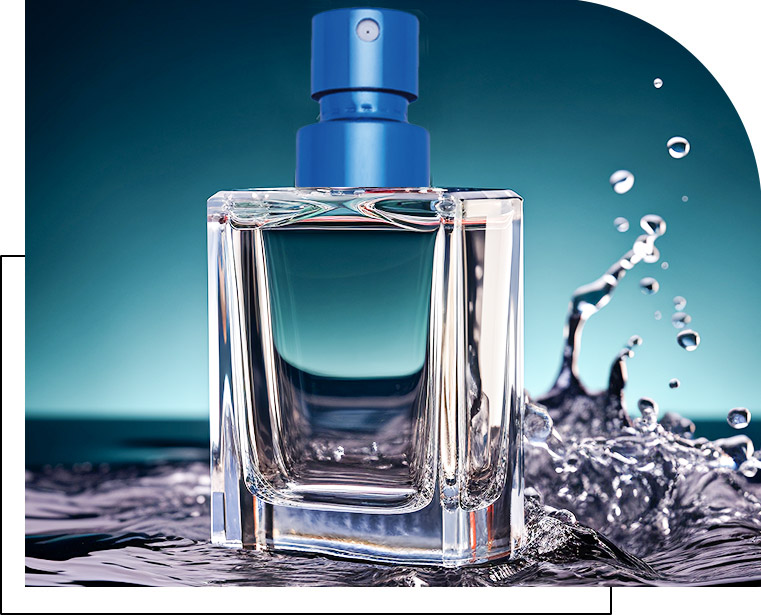 FEA15 Crimp Pump SuppliersThe FEA15 Crimp Pump is a sealed spray pump for perfume bottles or other liquid containers. Made of aluminum and plastic, it is suitable for manual or machine sealing ...View Product →
| Criterion | Crimp pump (FEA15) | Screw pump (15/415) |
| Bottle neck | Crimp lip, no thread | Threaded 415 neck finish |
| Attachment | Aluminium ferrule, swaged | Threaded aluminium or plastic collar |
| Consumer removal | Not possible without cutting | Hand unscrew |
| Refill or decant | Not practical | Standard practice |
| Line tooling | Crimping head and crimp gauge | Torque-controlled capping head |
| Main defect | Over- or under-crimped ferrule | Cross-thread, low torque |
| Dose per stroke | 0.05-0.10 ml | 0.05-0.10 ml |
| Typical use | Sealed luxury and travel retail | Refillable, e-commerce, essential oil |
Crimp and screw formats are sized in two different vocabularies: FEA numbers describe the ferrule diameter in millimetres, while 415-style codes describe the thread diameter plus a standard thread profile.
In the crimp family, FEA13, FEA15, FEA18 and FEA20 correspond to nominal ferrule diameters of 13, 15, 18 and 20 mm. In the screw family, the digits before the slash give the nominal thread diameter and 415 identifies the thread profile used across that series, which is why 12/415, 13/415, 15/415 and 18/415 are not interchangeable even when they look similar on a bench. A 15 mm crimp ferrule and a 15/415 screw neck share a number, not a mould.
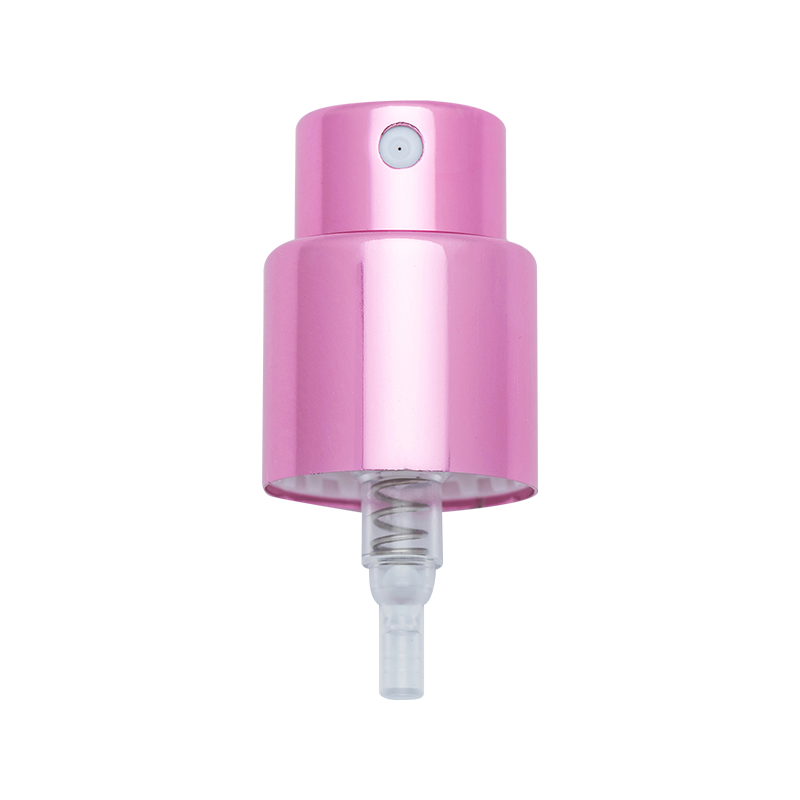 XY-LK-17/415 15mm Screw perfume fine mist pump sprayer OD17.2mmThe 15mm Screw Perfume Fine Mist Pump Sprayer , featuring an Outer Diameter (OD) of 17.2mm, is a precision-engineered dispensing component designed for the high-end fr...View Product →
Crimping adds one irreversible tooling step and removes thread-related defects; screwing is reversible and easier to rework, but it introduces torque and cross-threading variability.
On a crimp line the pump is placed on the filled bottle and the crimping head swages the ferrule in a single stroke. Setup means setting crimp force and then confirming the resulting crimp diameter with a gauge; the reference dimensions for the FEA15 body are listed in this FEA15 crimp pump specification guide. Because the operation is one-way, a bottle that fails the leak test is scrapped rather than reworked, and neck breakage appears immediately as a line stoppage instead of a slow leak in the warehouse.
On a screw line the pump is torqued onto the neck. Torque has a working window: below it the gasket never reaches sealing compression, above it the neck can crack or the thread can strip. Cross-threading is the second defect to control, and it is usually a cap-feeder alignment problem rather than a pump problem.
Compare glass supplier and pump drawings at the crimp lip or thread, including tolerance stack-up. Sample bottles from an earlier batch hide mould wear.
Measure on the same glass the order will use. A crimp setting borrowed from another bottle supplier is not transferable.
Upright and inverted, at elevated temperature, over at least four weeks. Weigh to 0.001 g so evaporation is visible before leakage is.
Alcohol content and terpene load decide whether nitrile, EPDM or FKM is the correct compound for the fragrance concentrate.
Carton drop and vibration testing exposes thread back-off and ferrule movement that bench testing never shows.
A correctly crimped joint normally shows the lower vapour loss of the two formats, because the aluminium ferrule holds the gasket under permanent compression against the glass lip, while a screw joint depends on compression the consumer releases at every opening.
That does not make screw pumps leaky. It makes them dependent on three variables a crimp line does not manage: gasket compound, neck-land flatness and capping torque. Nitrile is the default gasket for alcohol-based fragrance, but concentrates with a high terpene load swell nitrile over time, so EPDM or FKM is specified instead. On a crimp pump the same gasket question exists, but the compression force is fixed by the crimping head rather than by whoever operates the capping machine.
Storage testing should separate them. Fill and cap production bottles, store them upright and inverted at 40 C, and weigh them at four, eight and twelve weeks. A crimp pump that passes upright testing but fails inverted testing points to a crimp-diameter problem. A screw pump that fails only after repeated opening cycles points to compression set in the gasket.
A crimp pump gives the lowest unit cost and the tightest seal; a screw pump gives a refillable, serviceable bottle at a small premium in parts and a larger premium in line control.
On either route the visible parts change perceived value more than the pump does. A stepped aluminium collar covers the crimp ring or the thread and gives the shoulder a machined edge, and anodised gold or silver finishes turn a standard 15/415 assembly into a premium package. Because these parts are stamped, anodised, moulded and assembled in the same plants, collar, pump and cap can be tolerance-matched before the glass is ordered.
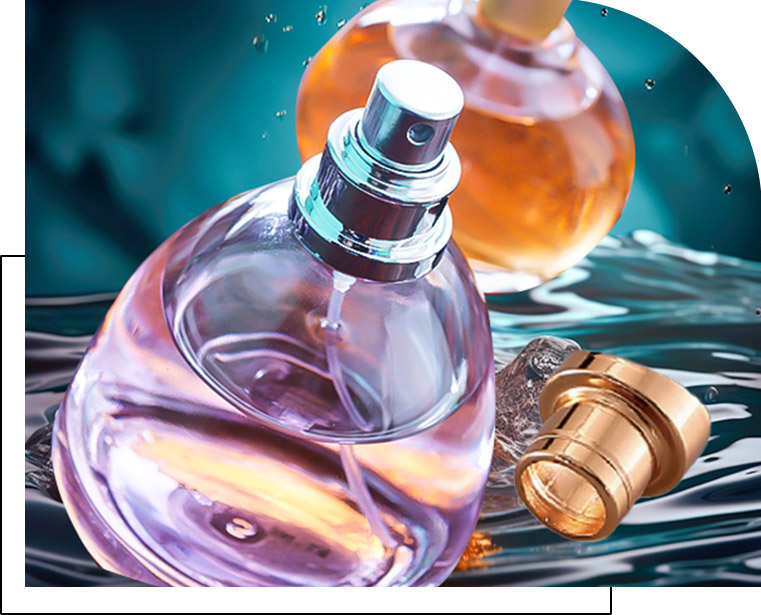 Perfume Collar with Step SuppliersPerfume Collar With Step can fit tightly to bottles and pump heads of different sizes, ensuring the tightness and aesthetics of the perfume. This design enhances the o...View Product →
No. Crimping is a one-way cold-forming operation, and the ferrule has to be cut or levered off, which destroys the seal and usually the collar. If a refill programme is planned for the same bottle, specify a 415 screw pump from the start, because the glass mould cannot be changed later without new mould cost and a fresh stability test.
15/415 is the workhorse for 50 ml to 100 ml fragrance and skincare bottles, 13/415 suits 5 ml to 30 ml travel sizes, and 18/415 suits larger bottles or thicker liquids. The choice follows glass weight and wall thickness rather than the pump catalogue alone.
Not if torque is controlled. Air-freight leak claims on screw pumps trace back to two auditable causes: capping torque below the bottle supplier specified window, and gasket compound that swells in high-terpene juice. Both are solved by a torque setting and a gasket change, not by switching to a crimp.
Yes. Dip tube diameter and length are independent of the attachment, so the same tube serves either format. Specify cut length from the bottle height and keep the tube end a few millimetres above the base so the pump primes without drawing sediment.
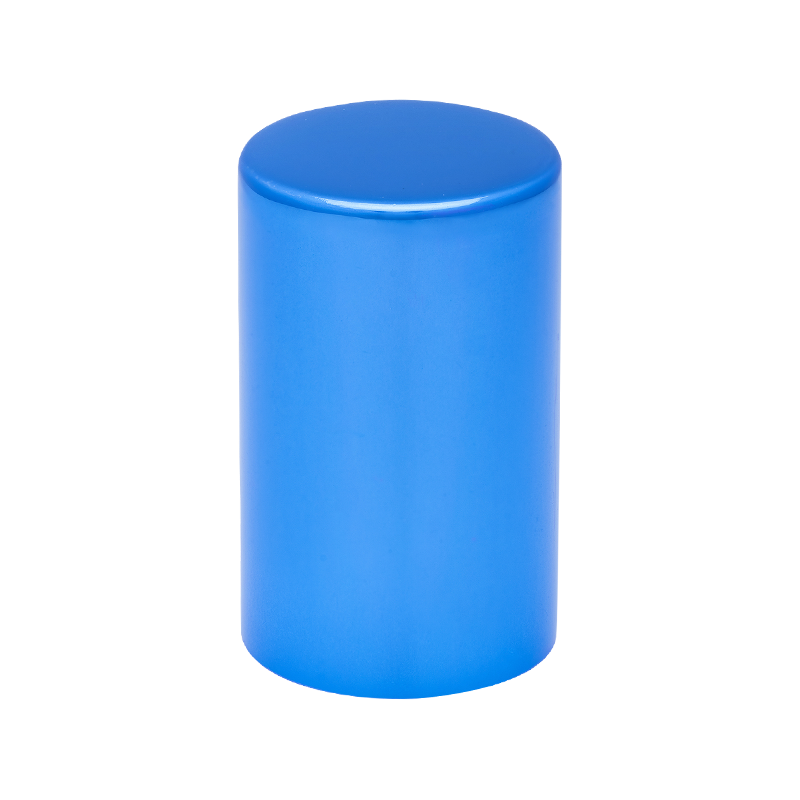 XY-LZ-20.6*34 Multiple Colors Straight Perfume Aluminum Cap/Lid For Fragrance, Essential Oil Bottle
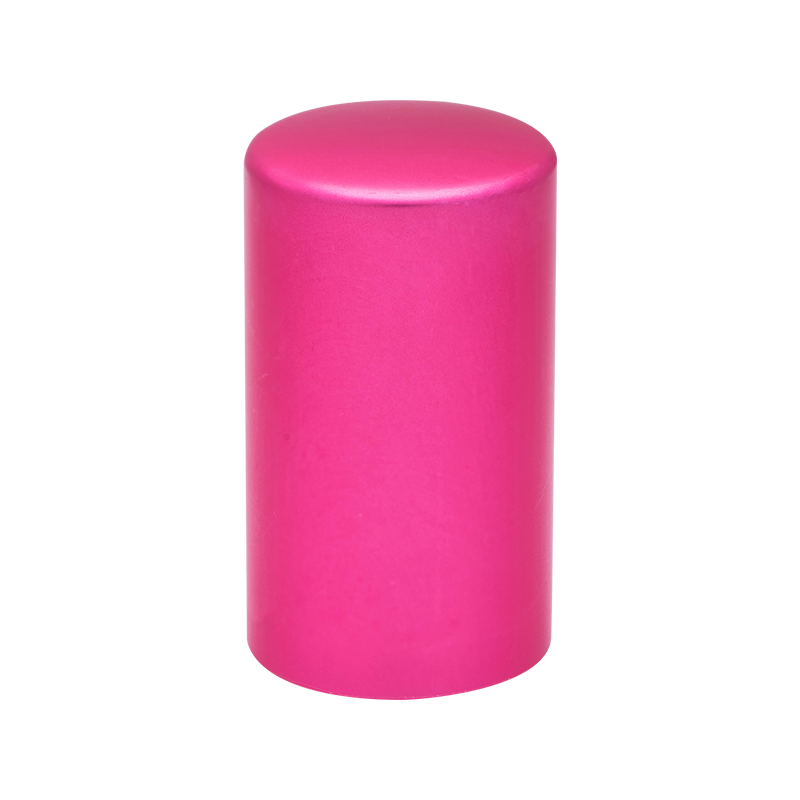 XY-LZ-18.6*32 Straight Perfume Bottle Aluminum Cap For Luxury Glass Fragrance Bottles, Minimalist Design
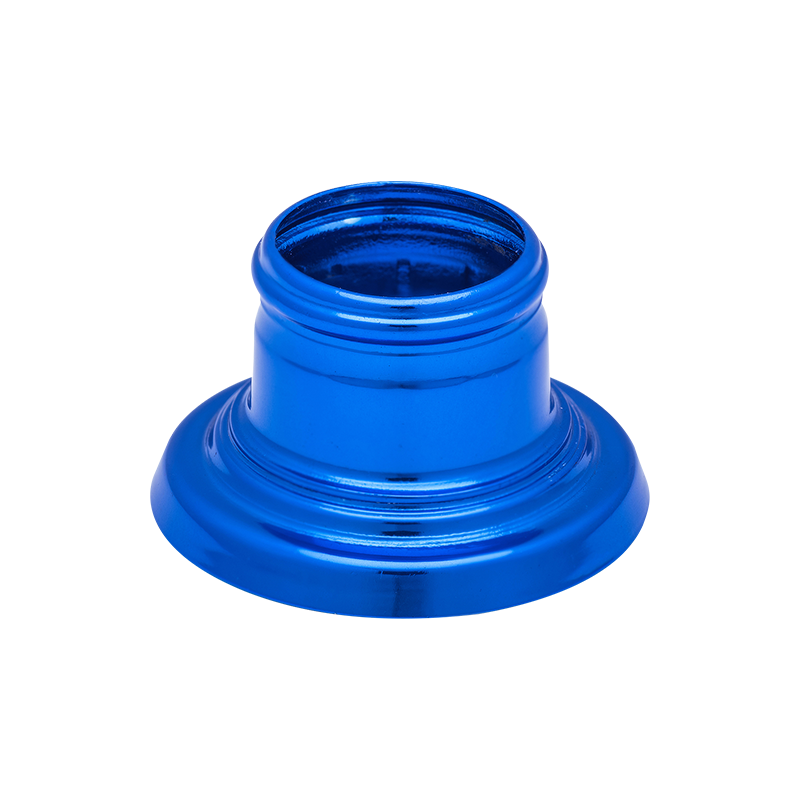 XY-ZT-DADB Custom Perfume Bottle Stepped Collar With Groove
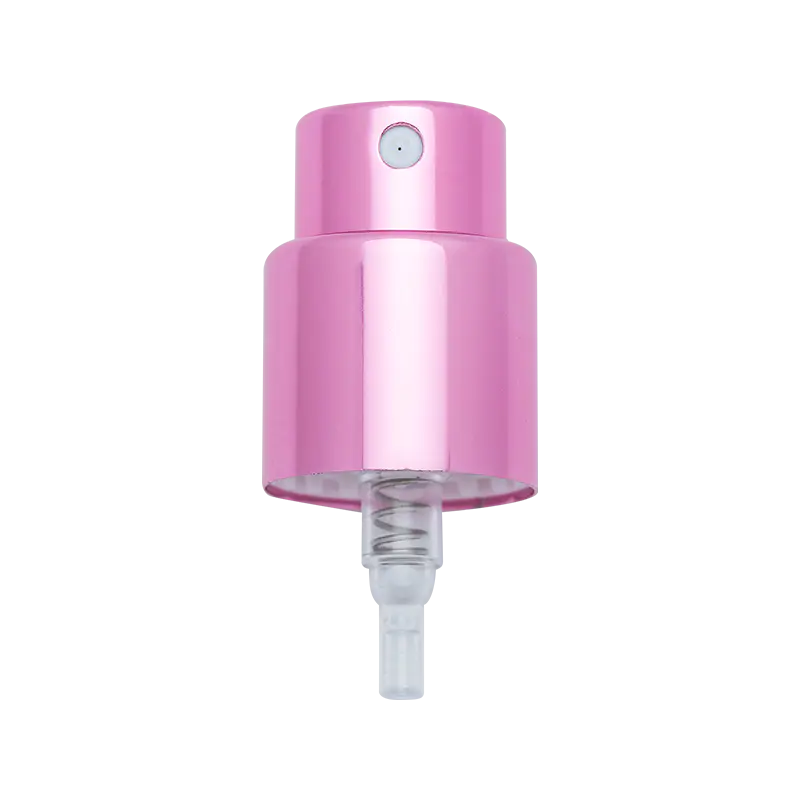 XY-LK-17/415 15mm Screw perfume fine mist pump sprayer OD17.2mm
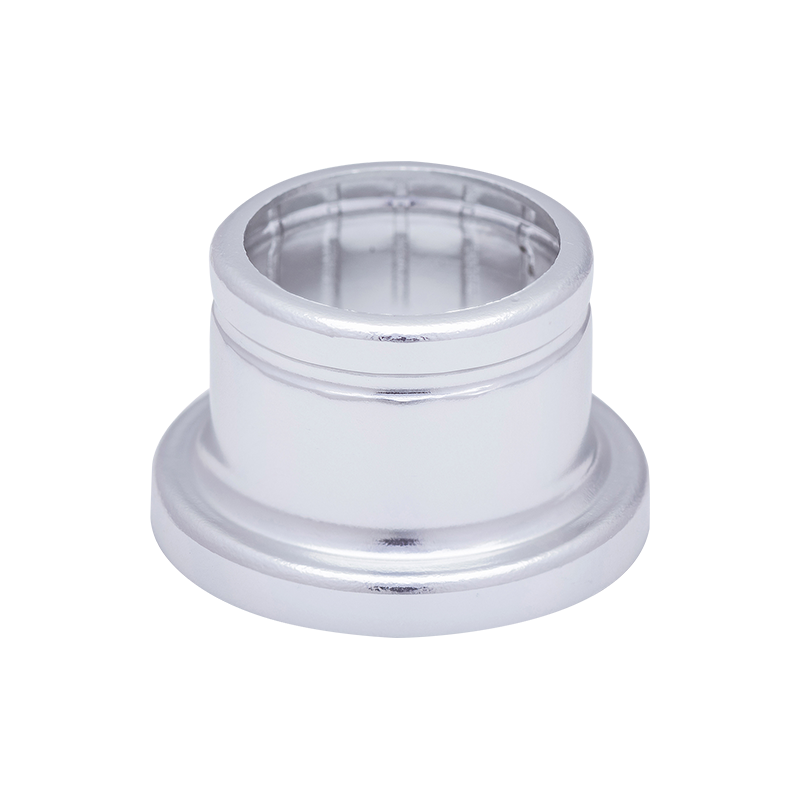 XY-ZT-17.3*14DBSNG Gold/Silver Perfume Cap Collar Aluminum Stepped Collar
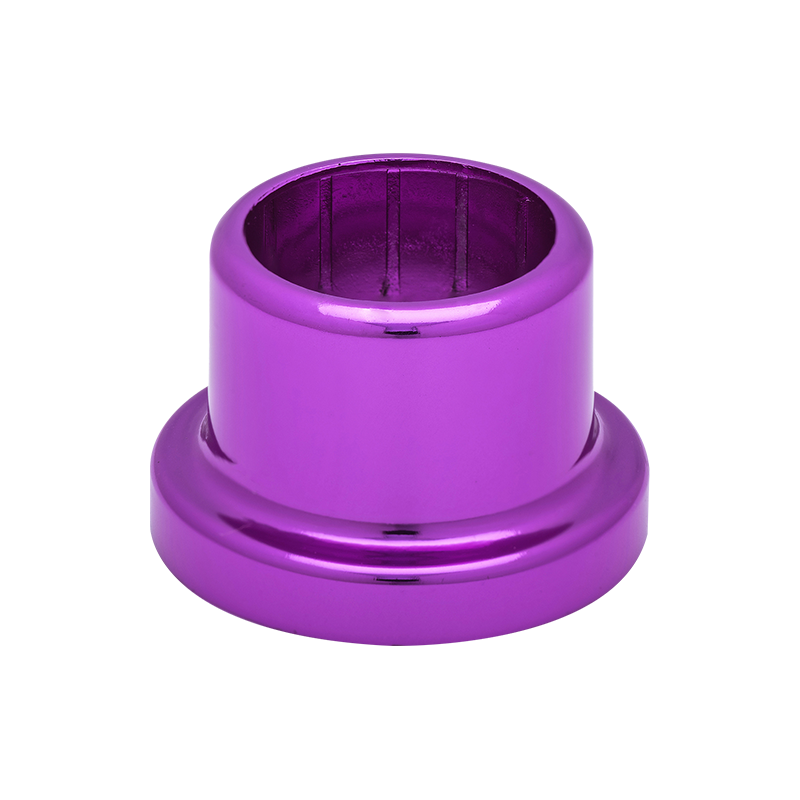 XY-ZT-17.05*15.6 22.8*4 Aluminum Cosmetic Perfume Collar With Step
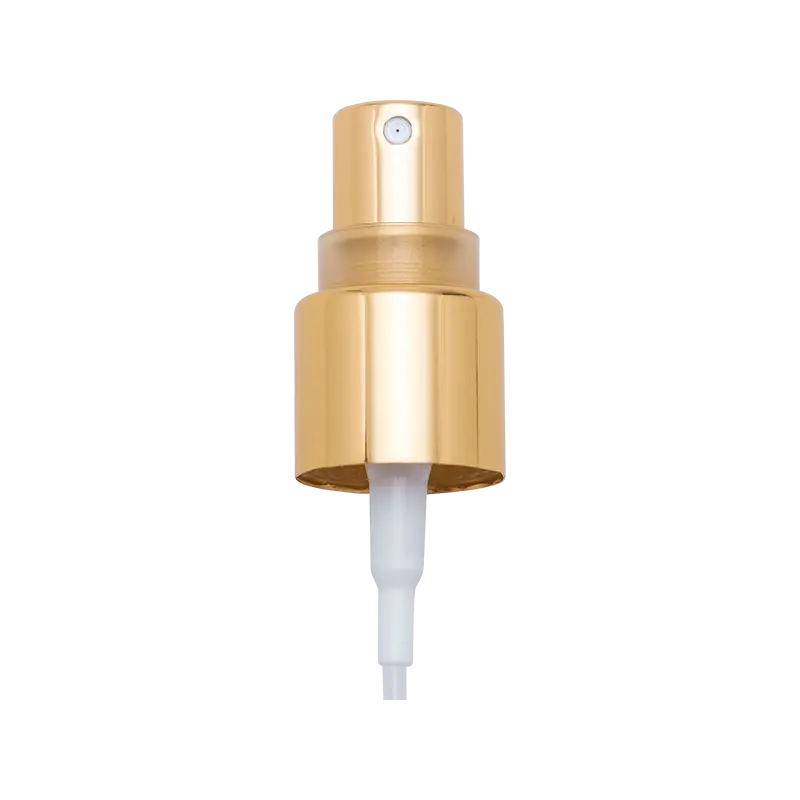 XY-LK-18/415 18mm Screw perfume fine mist pump sprayer
Tel: +86-13812990918
Phone: +86-512-58962260
Address: No.3, Xiangqun Road, Leyu, Zhangjiagang.


 English
 русский
 Español
 عربى
عربى Português