Article Directory
If you are buying perfume pumps in bulk or designing a new fragrance package, the most practical question is not "does this pump last forever" but "how long can I confidently rely on it." An aluminum screw spray pump typically delivers two to five years of dependable service in normal consumer use, which translates to roughly 3,000 to 10,000 actuations. The aluminum shell itself can far outlive that window, but the internal spring, elastomer seals, and dip tube determine the realistic service life. Understanding each component's failure mode matters more than chasing a single "years" number, because formulation chemistry and storage conditions shift the outcome far more than the pump's exterior would suggest.
An aluminum screw spray pump is a mechanical assembly, and its longevity comes down to four groups of parts: the aluminum housing, the compression spring, the elastomer seals (gasket and inner valve), and the dip tube. Each of these fails differently, and the pump stops working well when any one of them degrades past its tolerance.
The aluminum housing, usually anodized in clear, gold, or silver finishes, resists corrosion and cosmetic dulling for five years or more under normal indoor use. The spring inside the pump chamber is the next critical part; if it is made from stainless steel or a properly coated music wire, it can maintain consistent compression for three to four years of intermittent use. The elastomer seals are usually the first to go. Depending on the rubber compound selected — EPDM, NBR, or PTFE-coated variants — the gasket can start to lose elasticity after 12 to 36 months of exposure to concentrated perfume oil. The dip tube, typically polypropylene or polyethylene, tends to yellow and become brittle after three to five years, though it rarely leaks before the seals do.
| Component | Typical Lifespan | Primary Failure Mode |
|---|---|---|
| Anodized aluminum housing | 5+ years | Surface oxidation, scratching |
| Stainless steel spring | 3–4 years | Loss of return tension |
| Elastomer gasket and valve | 1–3 years | Swelling, hardening, loss of seal |
| Dip tube | 3–5 years | Yellowing, cracking, detachment |
This breakdown is not theoretical. When a pump starts leaking around the threads, jamming mid-stroke, or producing a coarse spray instead of a fine mist, the failure can almost always be traced to one of these four zones. A manufacturer that controls the sourcing of the spring, the gasket compound, and the dip tube material will produce a pump with a tighter lifespan distribution than one that assembles parts from different suppliers without matching them to the intended fragrance formula.
The same pump model can last four years in one perfume and less than one year in another. The difference is the liquid inside the pump chamber. High-ethanol formulations — 80 percent or more ethanol — are demanding on elastomers because alcohol continuously extracts plasticisers from rubber compounds. Over time the gasket hardens, the stroke becomes stiff, and the pump loses its ability to draw liquid back into the chamber.
Essential oils and fragrance concentrates behave differently. Some citrus and spice oils contain terpenes that swell certain rubber compounds. A pump with a nitrile gasket may handle one oil family well and fail quickly in another. Before committing to a large production run, brands test the exact formula against the pump's wetted parts. This is why manufacturers ask for formulation details rather than simply quoting a price per unit. Our guide to essential oil compatibility explains which fragrance families tend to cause premature seal wear and how to specify pump materials accordingly.
Perfume sprays typically run between 70 and 90 percent ethanol. Higher alcohol content reduces surface tension, which makes the fine mist easier to achieve, but it also accelerates elastomer drying. Lower-viscosity formulas pass through the pump more easily, reducing the mechanical stress on the spring and piston. A thick oil-based formula, by contrast, demands more force per stroke and shortens the spring cycle count if the pump was not designed for high-viscosity liquids.
Fragrance formulas that contain more than about 10 percent water introduce a slow corrosion risk for unpainted internal springs. Even when the spring is stainless steel, chlorides in some botanical extracts can create pitting over time. If the formula has a meaningful water fraction, specifying a pump with a passivated spring and PTFE-coated gasket makes economic sense, because the cost difference per unit is small compared with a field failure.
Purchasing a quality pump is necessary, but the way the bottle is stored and handled determines whether that pump lives at the top or the bottom of its performance window. Three habits consistently extend pump life: storing bottles upright, keeping them out of direct sunlight, and using them regularly enough to keep the internal seals wetted.
Perfume bottles left on a bathroom shelf near a window can easily reach 40°C in direct sunlight. That temperature accelerates plasticiser loss from the gasket and increases evaporation through the nozzle. The pump's internal chamber is not designed for sustained heat; a few hot days will not kill it, but months of exposure will noticeably shorten seal life. The same principle applies to warehouse conditions. Pumps stored in a hot, humid container during sea freight can develop moisture ingress through the dip tube, which then causes the gasket to absorb water and swell.
An aluminum screw pump relies on the threaded connection and the gasket between the pump and the bottle neck. Storing bottles upside down — often done to get "one last spray" — keeps liquid in constant contact with the gasket, which accelerates swelling and can cause seepage along the threads. Brief inverted storage to prime the pump is harmless; long-term inverted storage is not. For shipping, every carton should be oriented upright or secured in a way that prevents the liquid from pooling against the closure. Our leakage prevention guide for aluminum screw pumps covers the checkpoints that matter during transit and shelf storage.
A pump that is used every few days behaves differently from one that sits untouched for a year. Regular use keeps the piston seal lubricated by the fragrance itself, preventing the elastomer from drying out and shrinking. A pump that has not been actuated for six months may feel stiff on the first two or three strokes, then return to normal. If it has been dry for over a year, the gasket may have already lost its compliance. This is one of the reasons sample bottles sent to customers should be tested, not just visually inspected, before long warehouse storage.
Instead of waiting for a hard failure, packaging teams can look for four warning signs that indicate a pump is approaching its replacement point:
When any of these symptoms appear, it is more cost-effective to replace the pump than to try to repair it. Spray pumps are not designed to be serviced in the field; the internal parts are press-fit and crimped. For a production line, the practical approach is to set an expiry horizon at the design stage — specify the expected shelf life of the filled product and choose pump materials that comfortably exceed it.
The lifespan numbers above are not fixed. A few operational adjustments can move the actual service life from two years to four, particularly for premium fragrances sold in small volumes.
In field operations, the most common cause of premature pump failure is not the pump itself but incompatible packaging. If the bottle neck finish is slightly under or over tolerance, the screw thread engages incorrectly and the gasket cannot make full contact. We have covered this in depth in our screw pump troubleshooting and maintenance notes, where the interaction between neck dimensions and pump seating is explained with measurable checkpoints.
Choosing a pump with a long, predictable lifespan comes down to three supplier-level questions. First, does the manufacturer control the aluminum housing in-house? Anodizing quality directly affects corrosion resistance, and a supplier that owns its anodizing line can hold consistent film thickness and colour. Second, can the supplier document the material grade of the spring and the elastomer compound? A pump that works well with ethanol is not automatically compatible with essential oils, so the gasket and spring specifications should be stated in writing. Third, does the manufacturer perform functional testing on filled bottles, or only on empty pumps? The difference becomes visible in the field.
At Zhangjiagang XinYe Chemical Sprayer Co., Ltd., the production chain covers aluminium stamping, injection moulding, surface oxidation, and automated assembly, which gives the quality team direct control over the parts that determine pump lifespan. The in-house capabilities mean a customer can request specific spring tension, gasket compounds, and dip tube lengths for a given formula, rather than accepting a generic pump and adapting the fragrance to fit.
For standard fragrance packaging, the 13mm aluminum screw fine mist pump is a common choice for 10–30 ml sample bottles, offering a compact chamber and consistent output in the 80–100 µl range. Brands moving to standard 50 ml bottles typically work with the 18mm aluminum screw pump, which handles larger fluid volumes while keeping the thread engagement rigid. For premium or high-viscosity formulations, the 20mm aluminum screw perfume pump provides a wider inner diameter, a larger discharge volume, and a housing that better tolerates repeated heavy use.
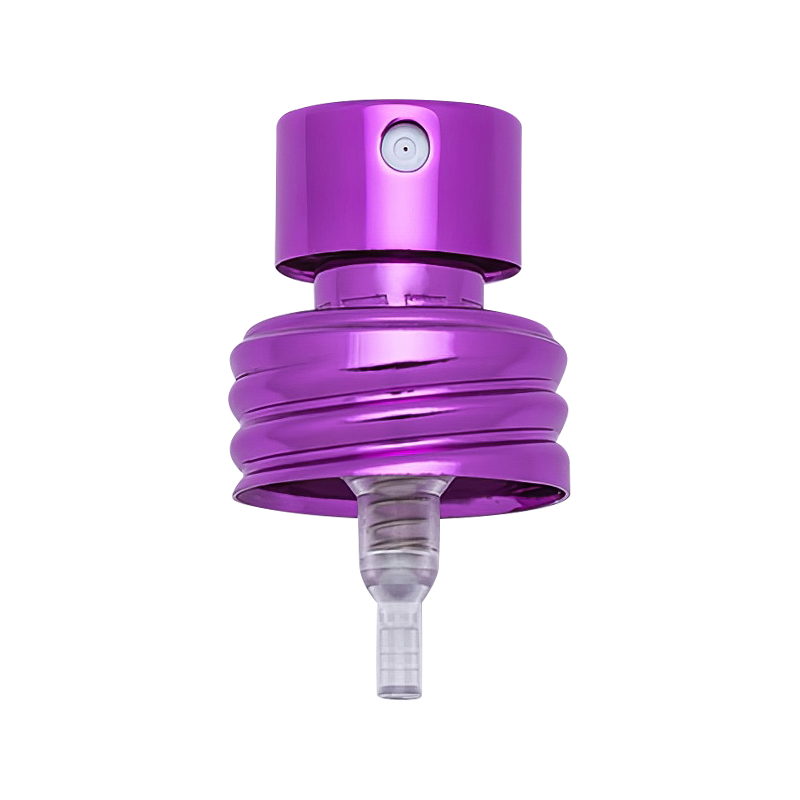 Custom XY-LK-20.8CK 20mm Aluminum screw perfume fine mist pump sprayer OD20.8mm Zhangjiagang XinYe Chemical Sprayer Co., Ltd. specialize in custom and wholesale XY-LK-20.8CK 20mm Aluminum screw perfume fine mist pump ...View Product →
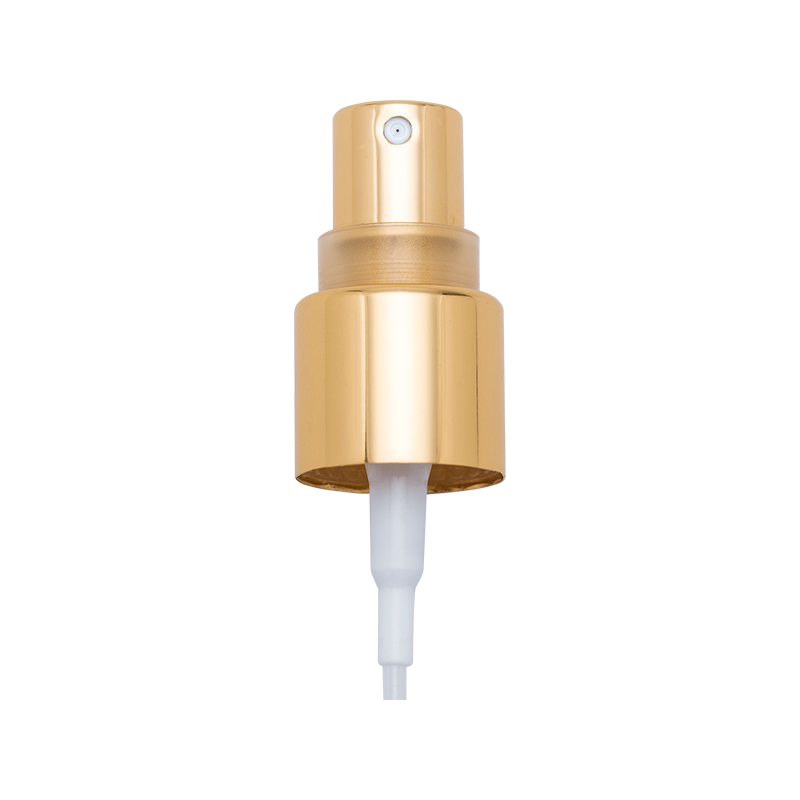 Custom XY-LK-18/415 18mm Screw perfume fine mist pump sprayer Manufacturers, FacZhangjiagang XinYe Chemical Sprayer Co., Ltd. specialize in custom and wholesale XY-LK-18/415 18mm Screw perfume fine mist pump sprayer i...View Product →
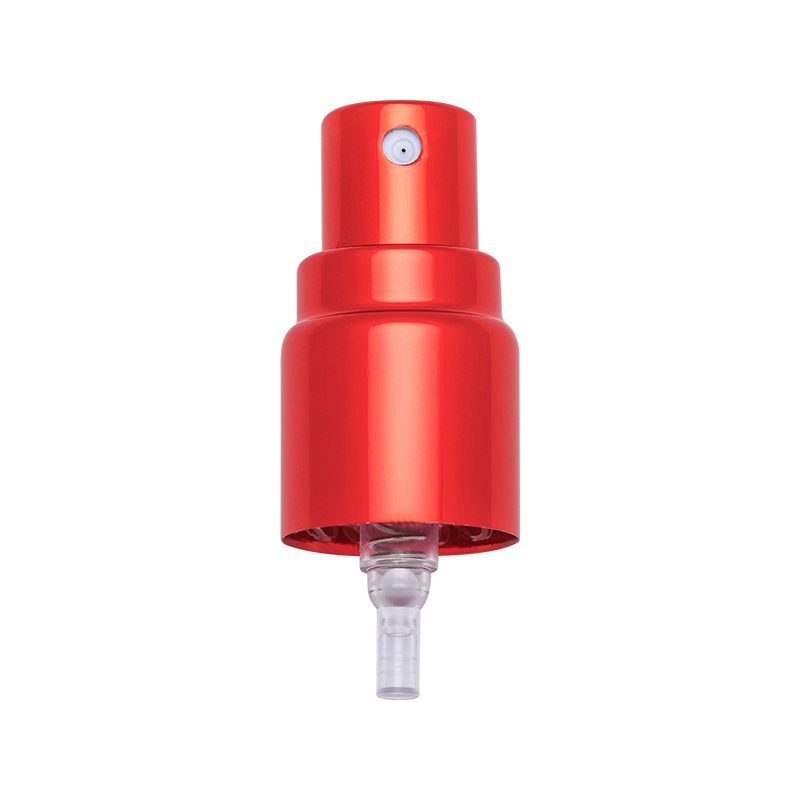 Custom XY-LK-13/415 13mm Screw perfume fine mist pump sprayer Manufacturers, FacZhangjiagang XinYe Chemical Sprayer Co., Ltd. specialize in custom and wholesale XY-LK-13/415 13mm Screw perfume fine mist pump sprayer i...View Product →
An aluminum screw spray pump will comfortably last two to five years when three conditions are met: the elastomer and spring are matched to the formulation, the bottle is stored and shipped upright at moderate temperatures, and the pump is actuated at least occasionally to keep its seals moist. The aluminum shell often looks perfect long after the pump's internal performance has degraded, so visual inspection is not a reliable guide. The right approach is to define the target shelf life of the finished product, select a pump variant whose wetted materials are known, and run a short accelerated compatibility test before committing to a full production order. That combination of specification discipline and real-world testing will produce far fewer field failures than simply picking the cheapest pump that fits the bottle.
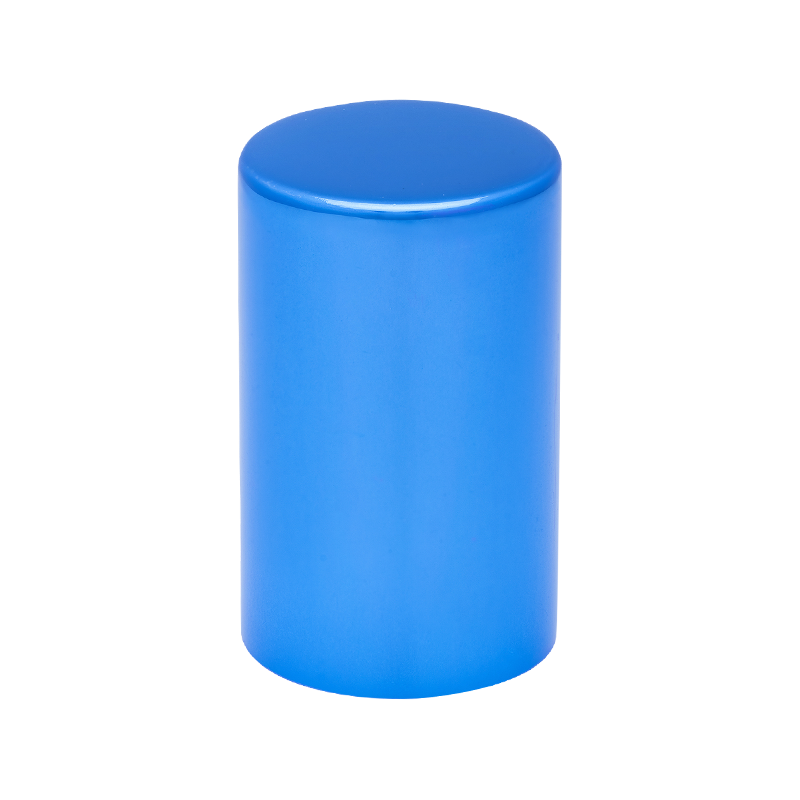 XY-LZ-20.6*34 Multiple Colors Straight Perfume Aluminum Cap/Lid For Fragrance, Essential Oil Bottle
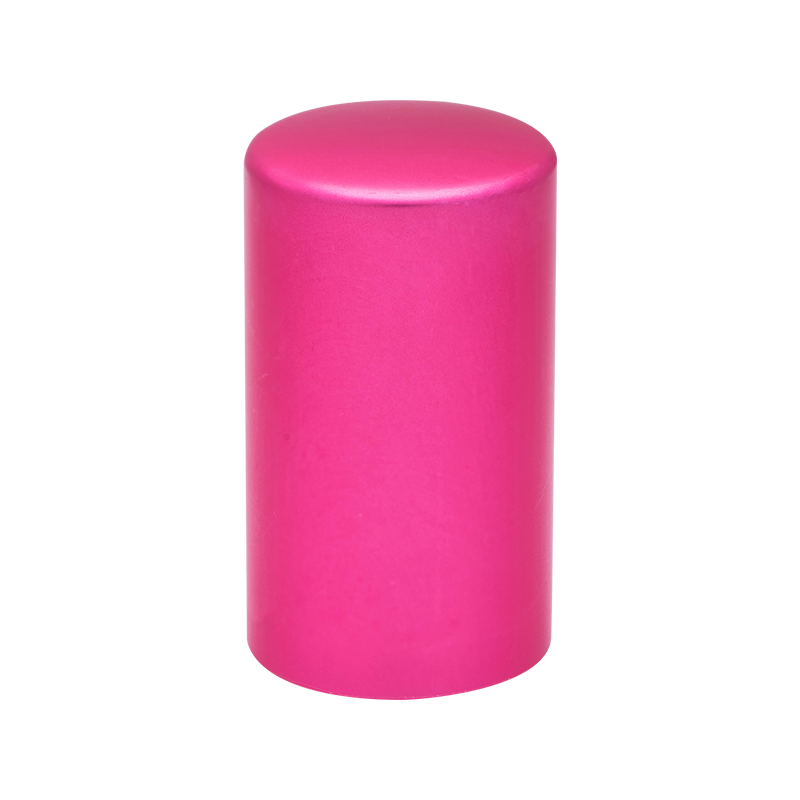 XY-LZ-18.6*32 Straight Perfume Bottle Aluminum Cap For Luxury Glass Fragrance Bottles, Minimalist Design
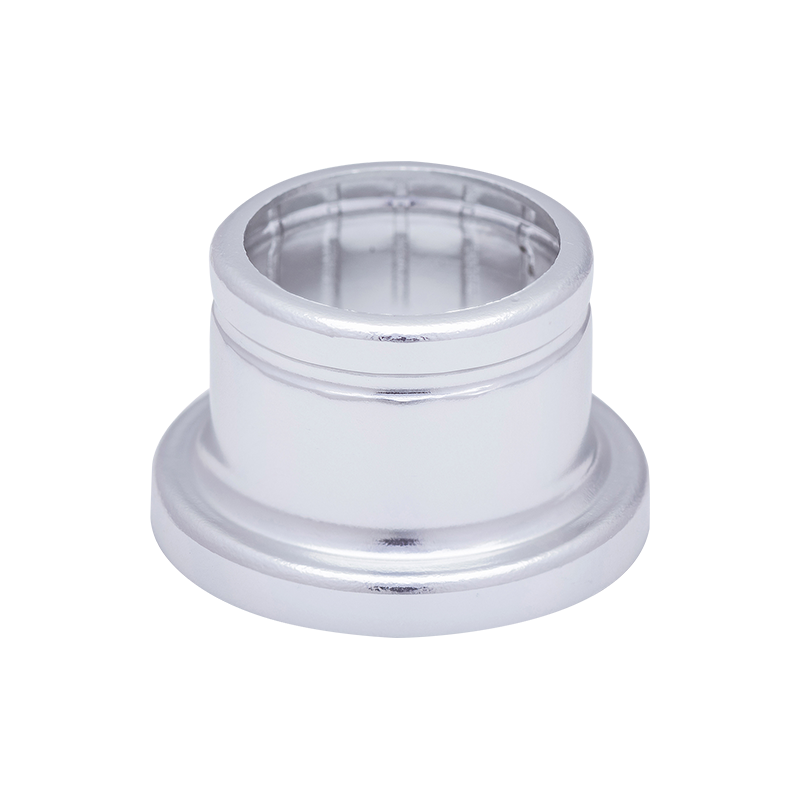 XY-ZT-17.3*14DBSNG Gold/Silver Perfume Cap Collar Aluminum Stepped Collar
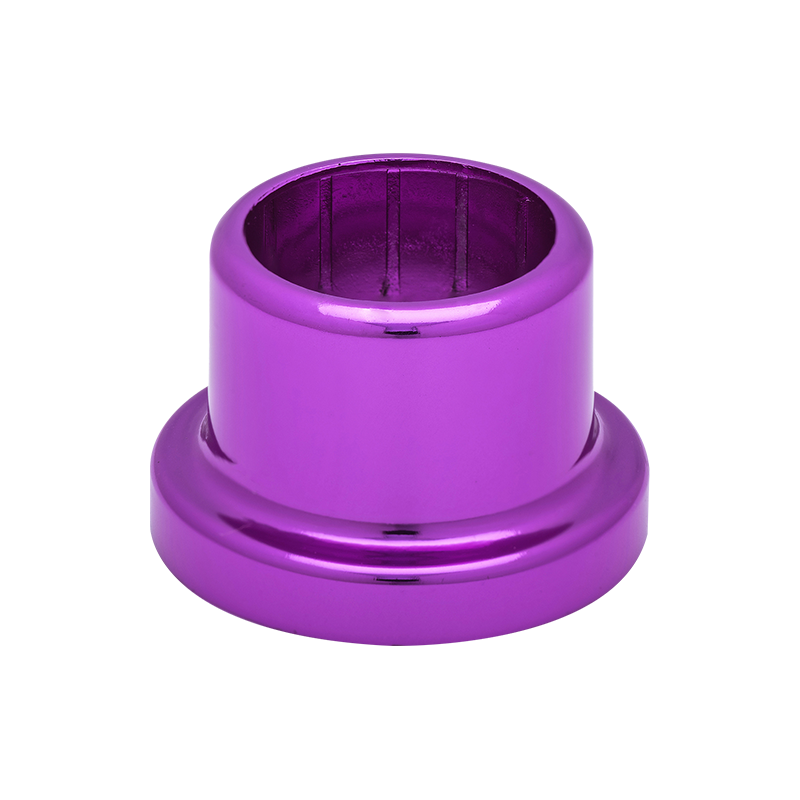 XY-ZT-17.05*15.6 22.8*4 Aluminum Cosmetic Perfume Collar With Step
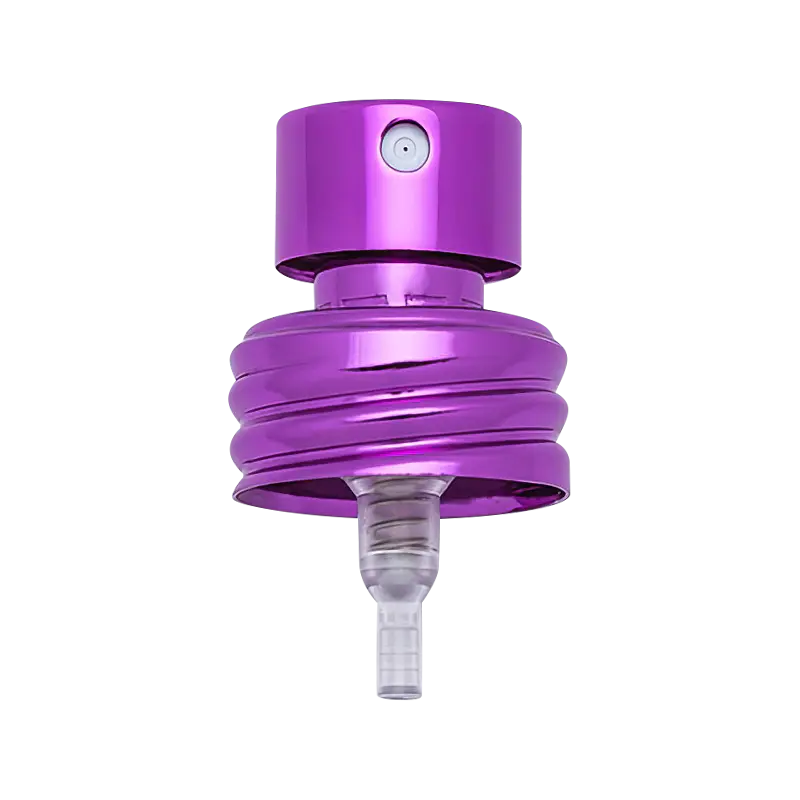 XY-LK-20.8CK 20mm Aluminum screw perfume fine mist pump sprayer OD20.8mm
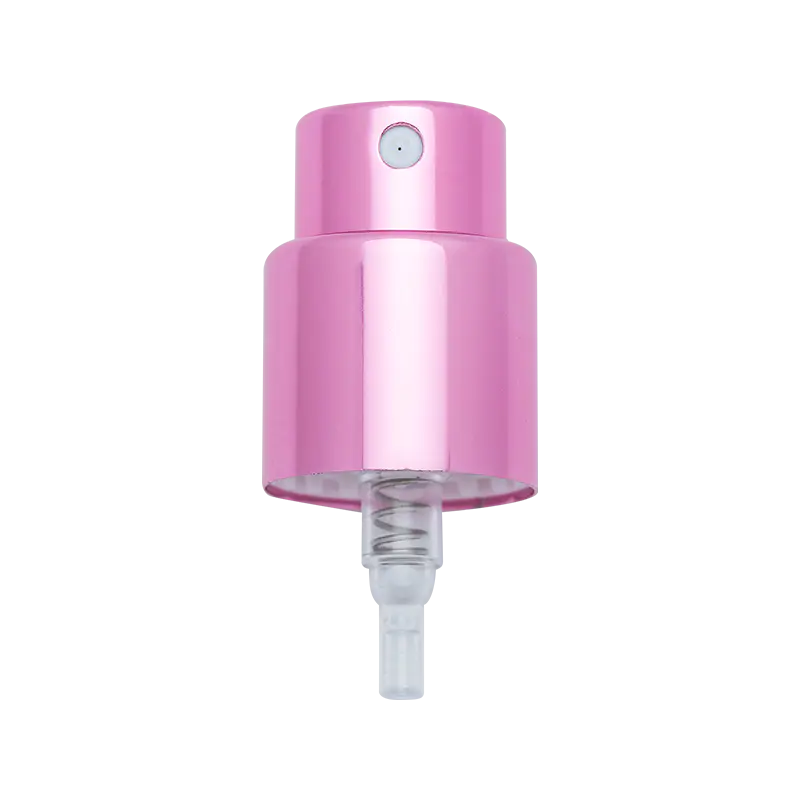 XY-LK-17/415 15mm Screw perfume fine mist pump sprayer OD17.2mm
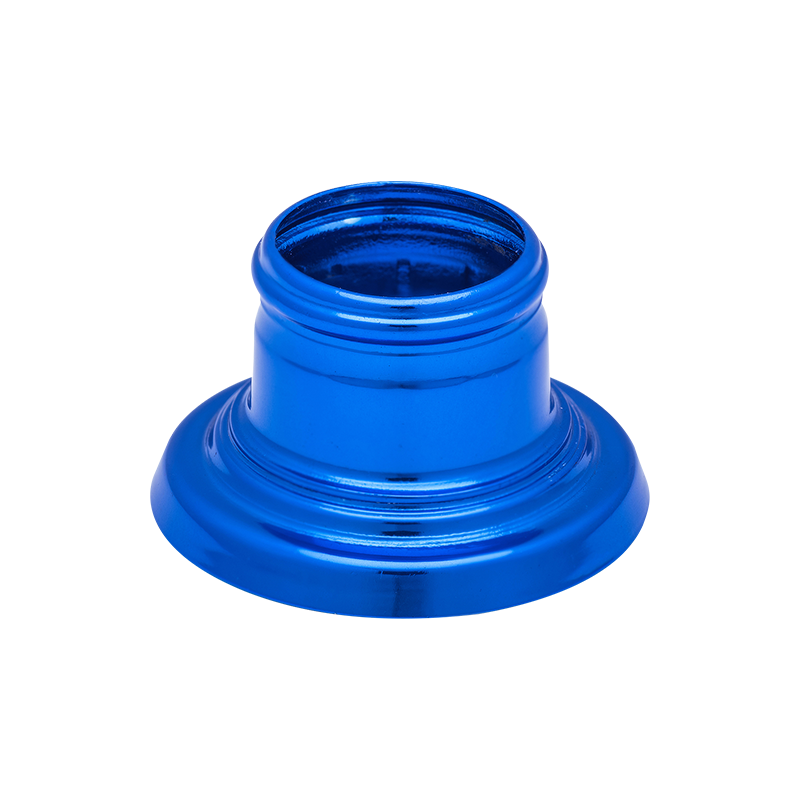 XY-ZT-DADB Custom Perfume Bottle Stepped Collar With Groove
Tel: +86-13812990918
Phone: +86-512-58962260
Address: No.3, Xiangqun Road, Leyu, Zhangjiagang.


 English
 русский
 Español
 عربى
عربى Português